
Occupy to Sow the Future: The Paths of the MST’s Agroecology on the Outskirts of Belém

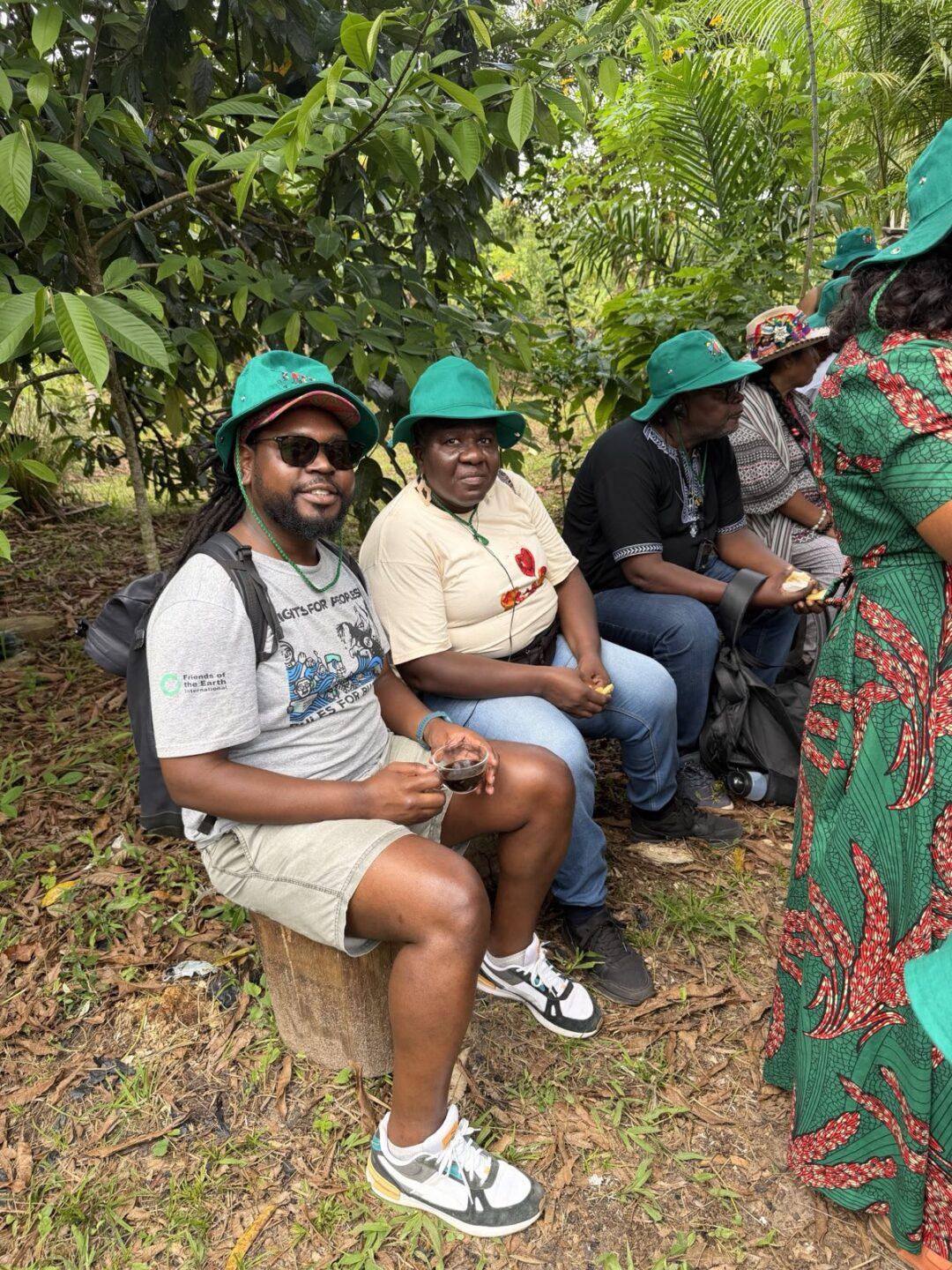
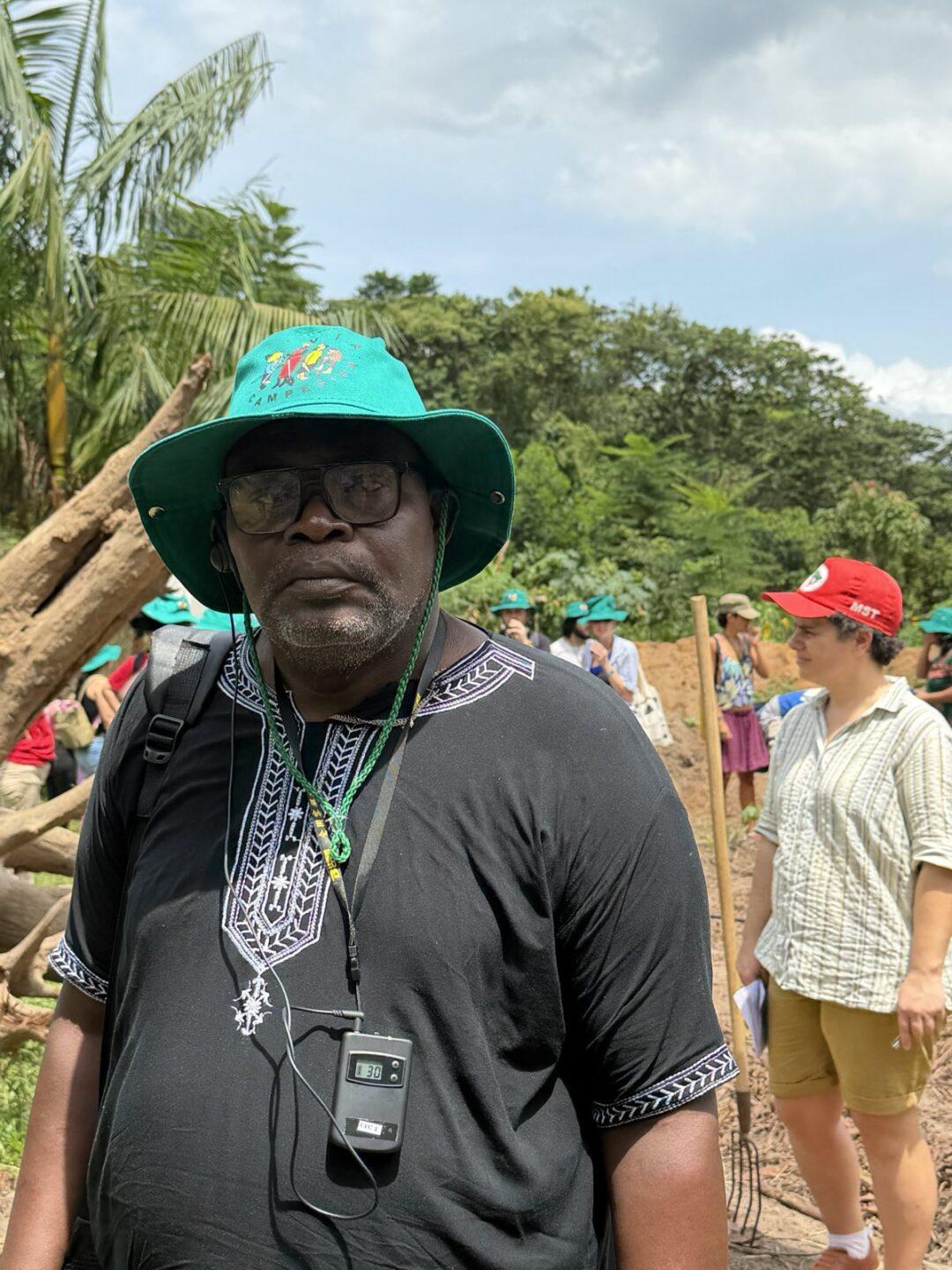
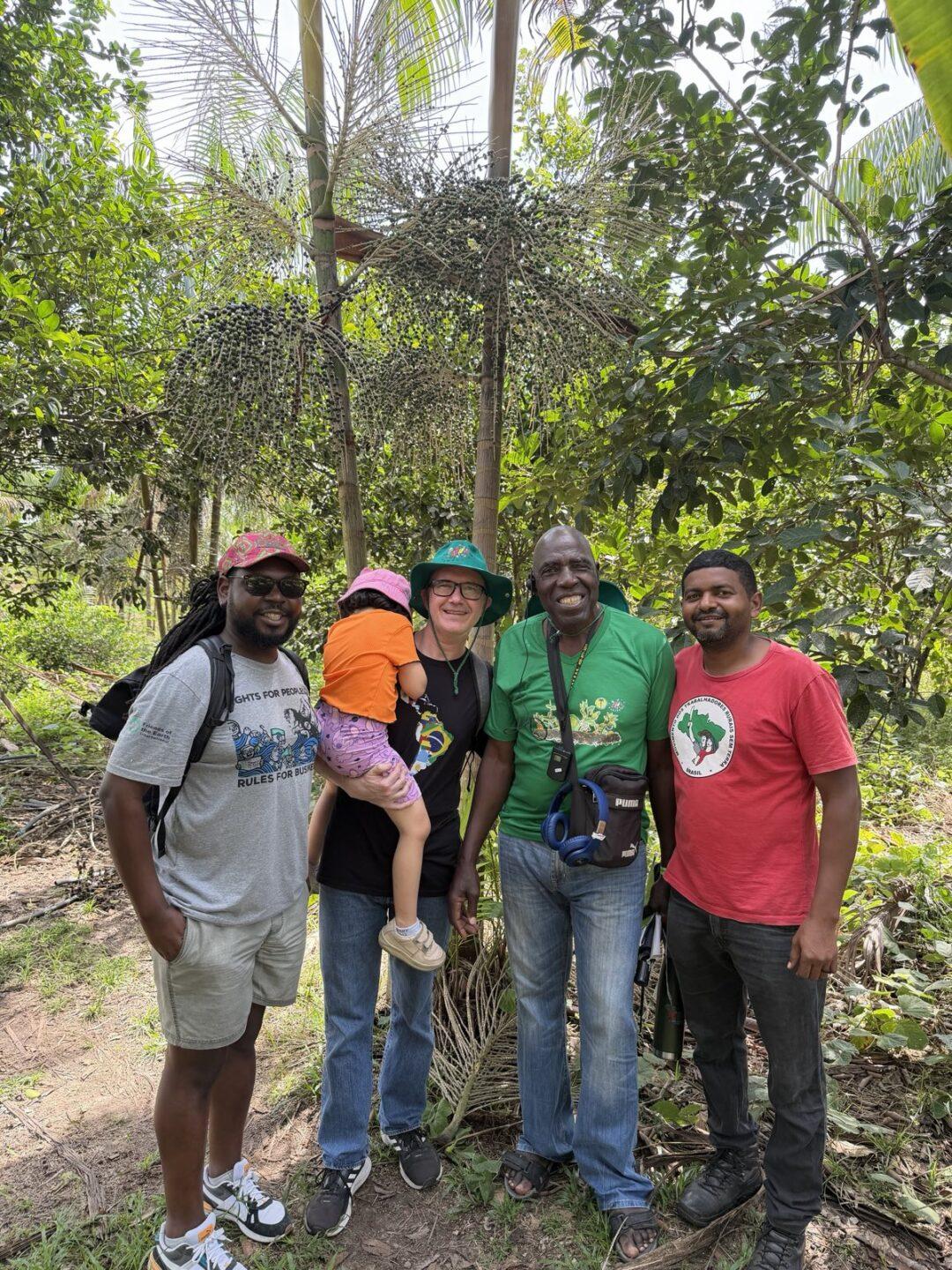
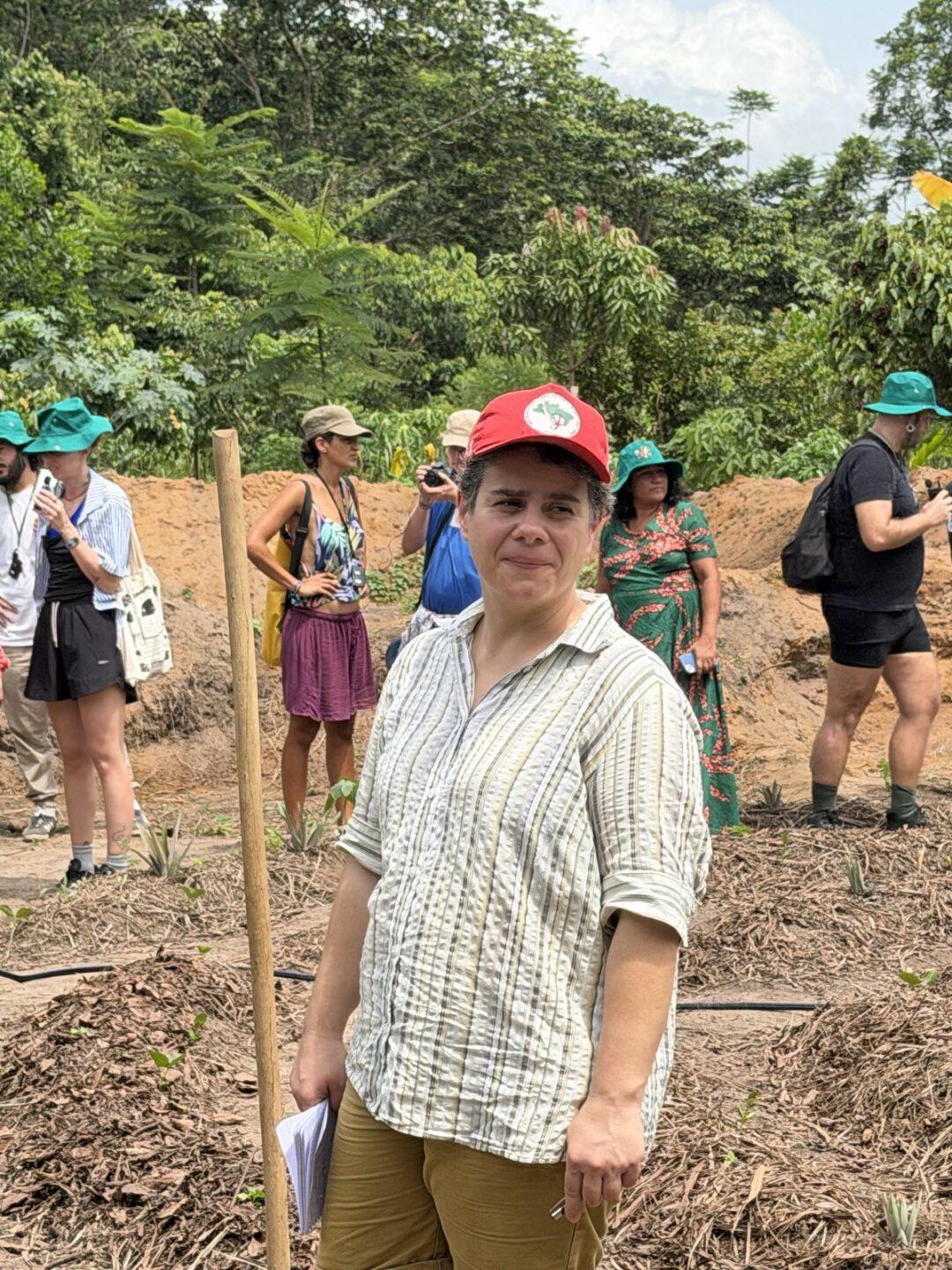
The sun blazed over Belém do Pará, as is typical in November. On the eve of the opening of the People’s Summit toward COP30 – the United Nations Climate Conference – around fifty delegates and allies from La Via Campesina International began their activities in Pará. They came from different parts of the world to share experiences in the struggles for land and life, and chose to start where the struggle takes root and turns into hope: a land reform settlement in the metropolitan region of Belém.
After nearly an hour’s drive, the delegation arrived at a vast walled area, fenced with barbed wire and guarded by security men. Inside, the landscape was dominated by endless rows of African oil palm, a monoculture that has become a symbol of agribusiness in the Amazon. To an outsider, it might have looked like any other plantation. But just a few hectares in, the scene shifted dramatically. There lay the Abril Vermelho (Red April) Settlement, home to 414 families organized by Brazil’s Landless Rural Workers’ Movement (MST), born out of a land occupation launched in 2004 and consolidated after five years of struggle.
The occupied land once belonged to DENPASA — Dendê do Pará S/A, a company that pioneered palm oil production in the Amazon during Brazil’s military regime. Later privatized and controlled by Dutch investors, DENPASA became a key player in expanding oil palm monocultures across public, peasant, quilombola, riverine, and Indigenous lands.
In 2004, some 600 landless families decided to break with that model and occupy the farm. “The economic group behind palm oil is violent and murderous. It destroys the lives of entire communities,” recalled one of the local MST coordinators. Today, 80% of the land – about 7,000 hectares – is under the control of the settlers, while the company retains the remaining 20%.
The victory did not come easily. Many of those who took part in the occupation were precarious urban workers – street vendors, carpenters, shopkeepers – who decided to reinvent their lives in the countryside. “Sixty percent of the settlers were not peasants. They came from the city and brought other skills, especially in trade and small business,” explained one MST coordinator.

A Clash of Models: Oil Palm vs. Agroecology
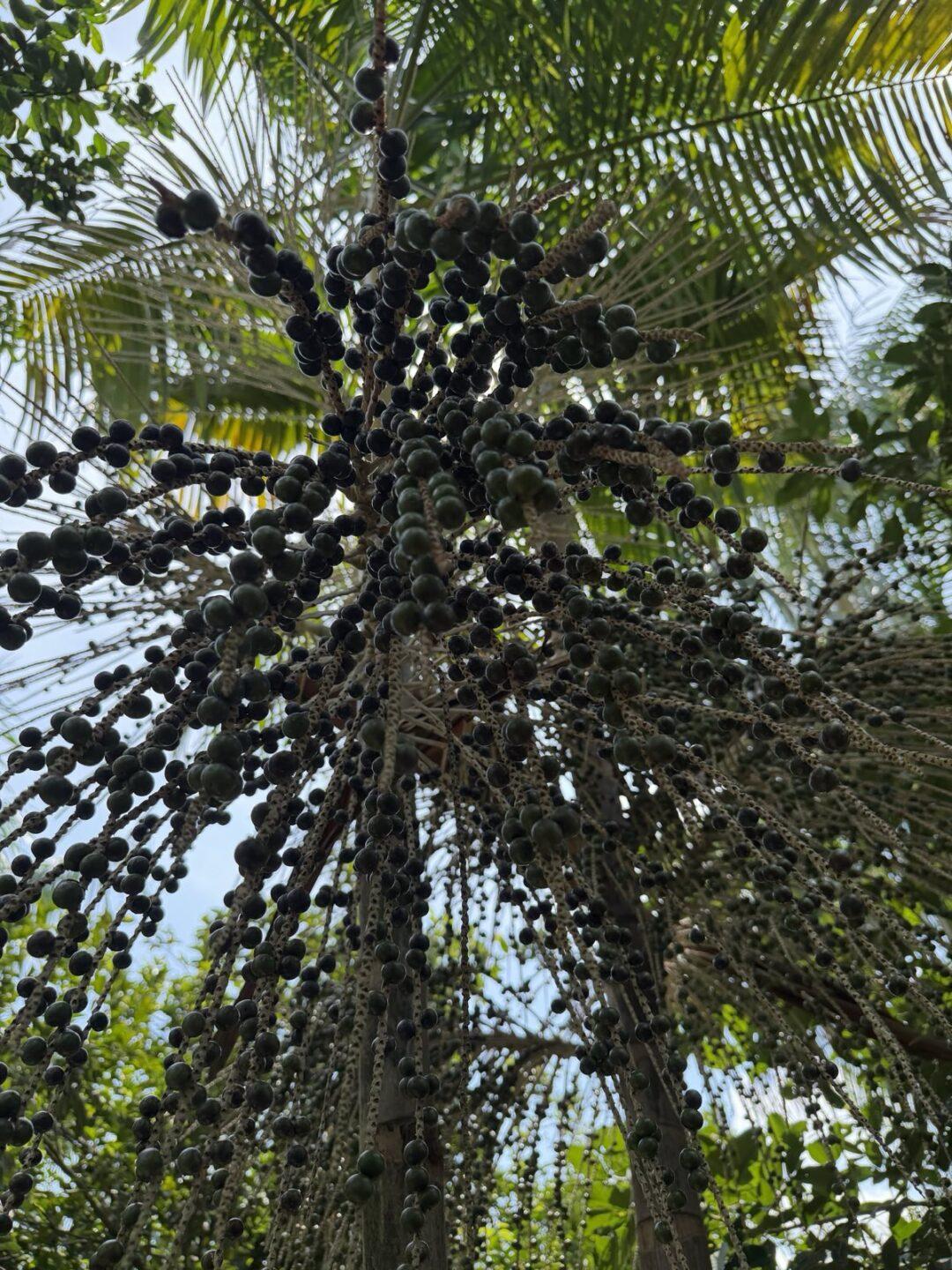
Pará is a region of heavy rainfall, fertile for both oil palm and açaí, the emblematic Amazonian fruit and a cornerstone of the local economy. But the real battle here is over models of life and development. The MST criticizes monoculture systems – whether of palm, soy, or eucalyptus – for destroying ecosystems, displacing communities, and subordinating rural life to global market logic. “It’s a model against life, against culture, against the territory,” say the movement’s leaders.
While palm oil is a commodity traded on international stock exchanges, the settlers of Abril Vermelho are cultivating a different relationship with the land – one rooted in solidarity, mutual care, and ecological regeneration. The contrast is stark: where agribusiness once spread poison and monoculture, there now grow food gardens, agroforestry plots, and biodiverse home gardens.
Building a Solidarity Economy
At Abril Vermelho, the peasant economy flourishes in creative ways. Families sell their agroecological produce at local markets, universities, door-to-door, and through Armazém do Campo stores – outlets created by the MST to distribute products from land reform settlements. Yet challenges persist.
Take the case of açaí: though abundant, it is often sold to intermediaries for industrial processing. Lacking their own processing facilities, settlers lose part of the value they generate, as companies repackage and resell the fruit at much higher prices. This remains one of the MST’s priorities: to expand cooperative and community-based agro-industries across Brazil.
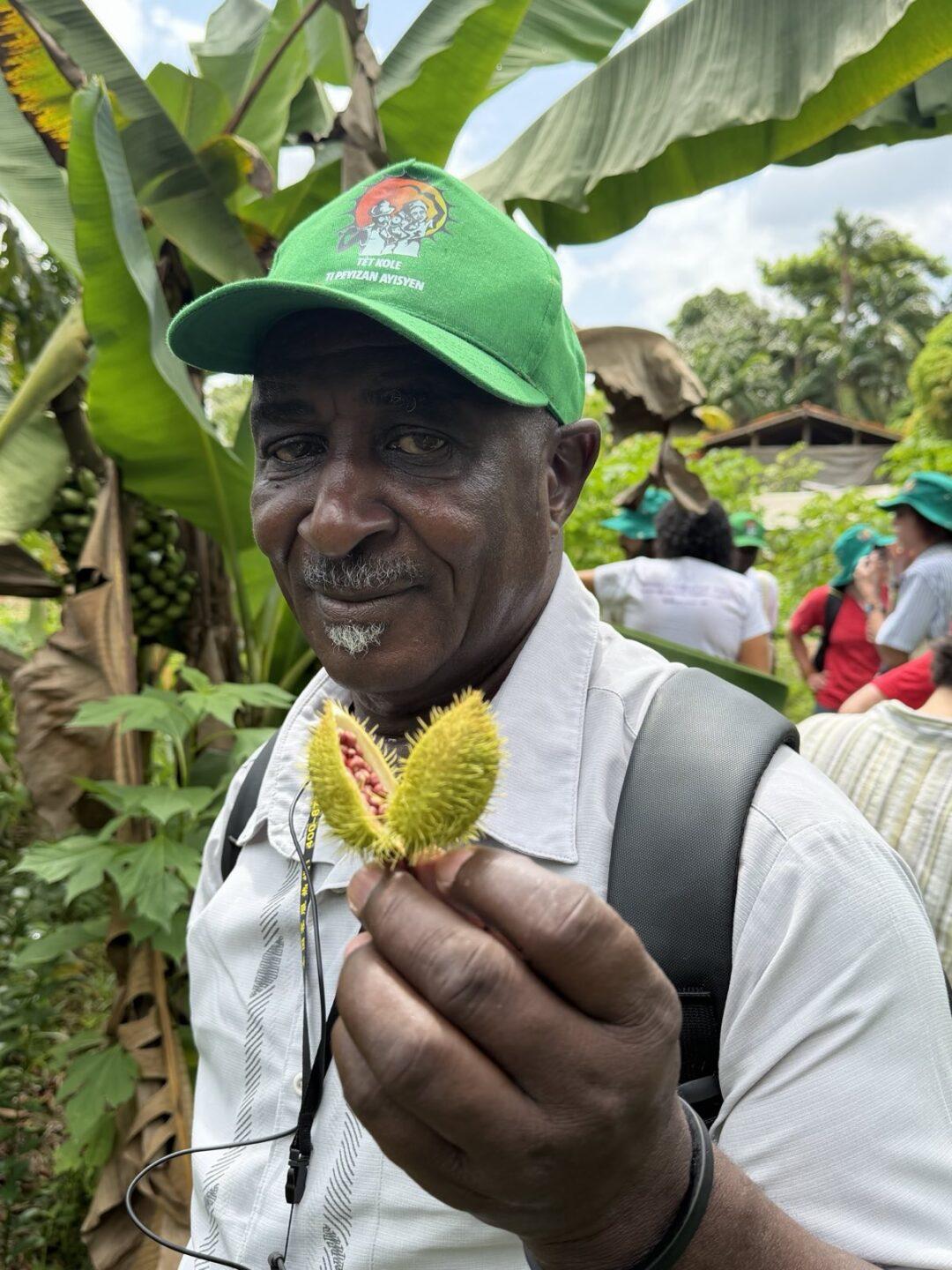
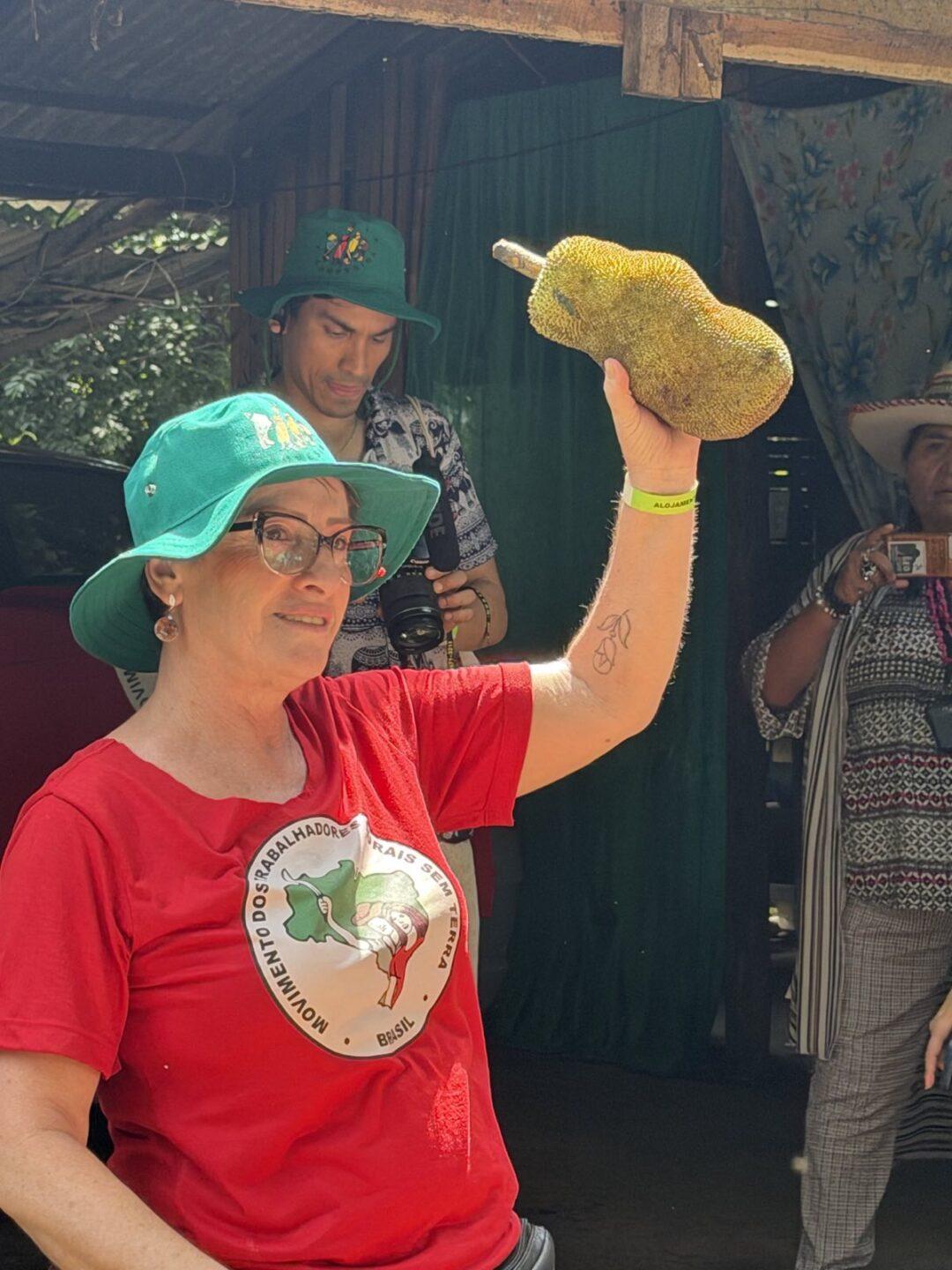
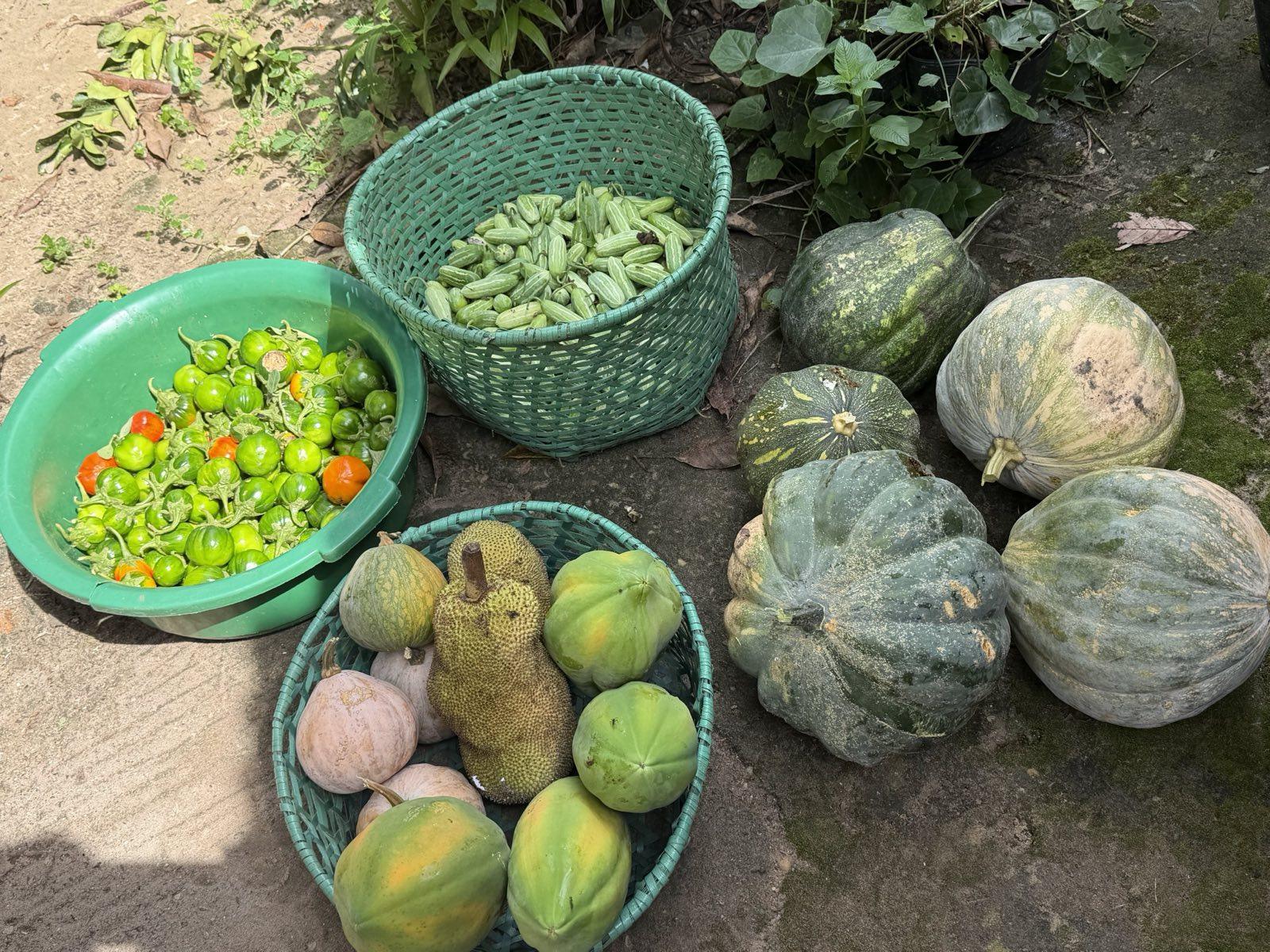
Regenerating the Land, Reviving Life
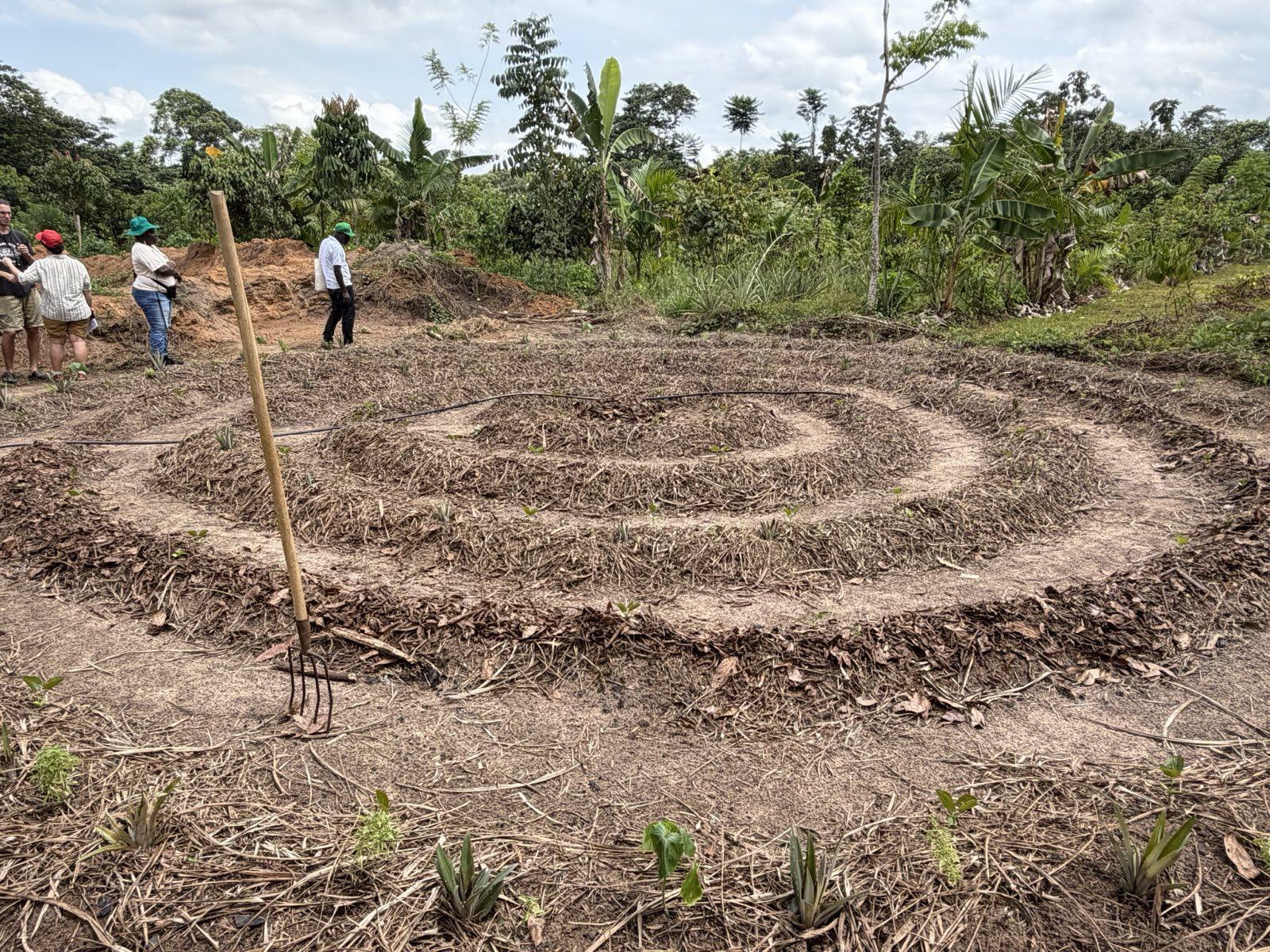
Much of the occupied land was degraded by decades of pesticide use on palm plantations. The settlers have taken on the slow and vital task of restoring soil fertility and reviving biodiversity. One powerful example is the Maturi Agroforestry Site, where a family that had once migrated to the city chose to return to the countryside. “We inherited barren land and turned it into a productive agroecological space through syntropic agriculture,” said a woman farmer and MST member.
Today, their plot combines food crops, fruit and timber trees, small-scale livestock, and native bee production. Even their home is a model of sustainability, built with PET bottles, clay, and locally sourced wood.
Sowing the Future
The story of the Abril Vermelho Settlement shows that agrarian reform and agroecology are not relics of the past. They are blueprints for the future. In an era when corporations and governments promote “green solutions” through the financialization of nature, these families demonstrate a different path: one that plants autonomy, solidarity, and care at the heart of the struggle for life.
As the delegates from La Via Campesina witnessed during their visit, this is more than a local success story. It is a living vision of the future – proof that to occupy land is, above all, an act of love and the beginning of life’s renewal.


