
Solidarity Philanthropy:
Redefining Philanthropy’s Relationship to Social Movements

NOW is the time...
…to organize the philanthropic sector into an active community for movement support and a force for resource redistribution. How do we get there? How do we change philanthropy from within? By funders, donors, and others in the sector working in tandem with social movements and allies.
Join us on this journey to collective liberation.

“Solidarity philanthropy reminds us that justice is built through deep, trusting relationships with those most impacted by inequity. When donors listen, follow the leadership of movements, and share resources with courage and humility, we strengthen the foundation of a multiracial democracy that serves us all. The launch of this publication is a step toward this important work”
Leena Barakat
President & CEO, Women Donors Network
Read the Report


Engage Further

Sign up to be the first to get our toolkit, for building solidarity philanthropy in your community.
“Many donors praise the idea of solidarity philanthropy but we often do not know how to put the approach into consistent practice. We want to shift power to the communities we serve but we are often unsure how to start or what changes to prioritize. This report provides a roadmap that demystifies the process and catalyzes useful action. As a community of donors, let’s accelerate our actions toward a world rooted in love and justice!”
Rajasvini Bhansali
Executive Director, Solidaire Network and Solidaire Action
10 Key Takeaways
for practicing solidarity philanthropy
Reckoning with our personal and institutional connection with wealth helps us to fundamentally reorient the work of philanthropy.
Understanding where our money has come from helps us understand where it needs to go. With this awareness and accountability, our financial resources can be a tool of solidarity rather than an obstacle.
Funding social movements is one of the most effective ways to move money back to the people.
Social movements do the hard work of organizing those most impacted by systemic injustices into articulated movements. Through funding them, we can directly resource the power-building efforts that are necessary to create deep transformation in systems, structures, and culture toward social, economic, and ecological justice.
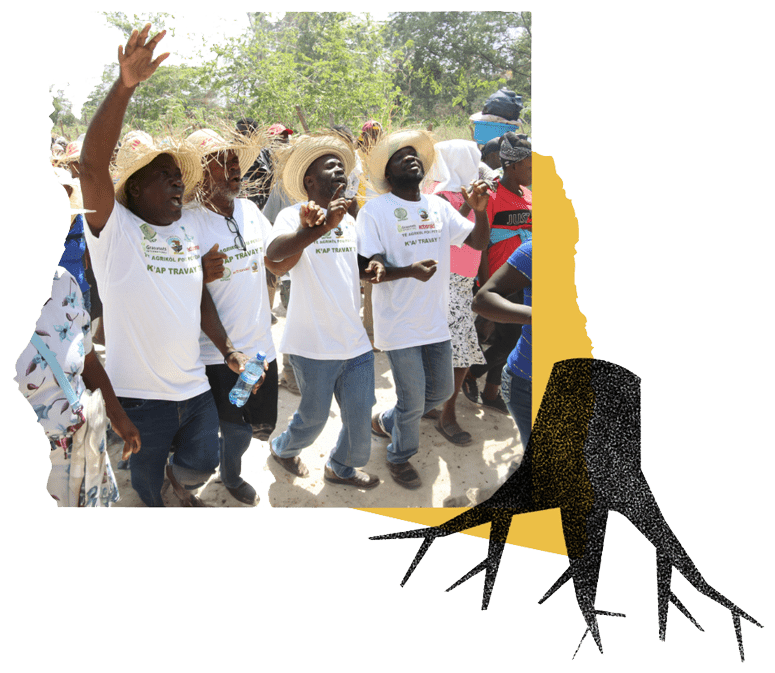
It is imperative to drastically increase the amount of funding going to Global South social movements.
Given the massive extraction of wealth from the Global South to Global North through colonization, slavery, and other forms of domination, Global North funders have a particular obligation to return stolen wealth to the Global South.
Grantmaking must be aligned with movement partners’ goals of financial autonomy.
This involves moving away from top-down, donor-driven, conditional funding and onerous reporting requirements, toward long-term general operating or flexible core support and additional funding for movement infrastructure, learning exchanges, emergency response, and other needs as they emerge.
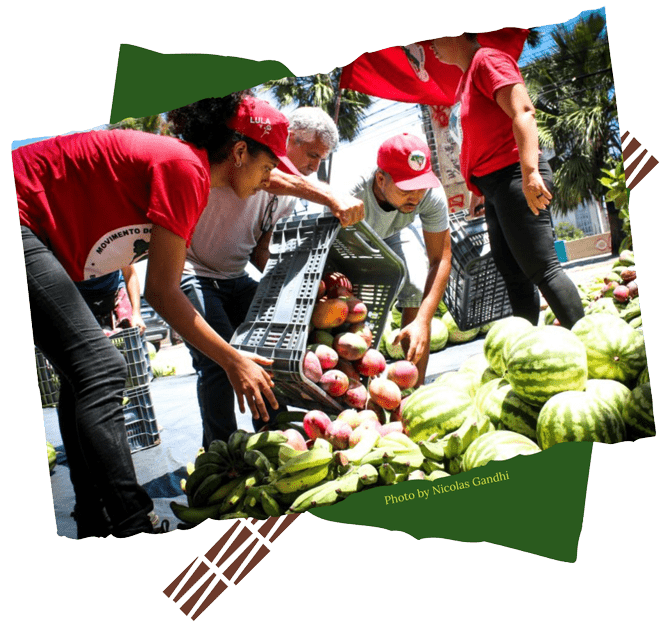
Beyond funding, accompanying social movements entails a commitment to deep allyship.
This involves cultivating our own political consciousness through open dialogue with social movements, ongoing political education, self-reflection, collective learning, and action to align with movements toward liberated futures.
We must organize others.
Beyond our own giving, we must organize our peers and collaborate with others in the sector to build a broader, more expansive and powerful constituency. To do this, we can find a political home by joining a donor network and connecting with movement support public foundations with active donor engagement programs.
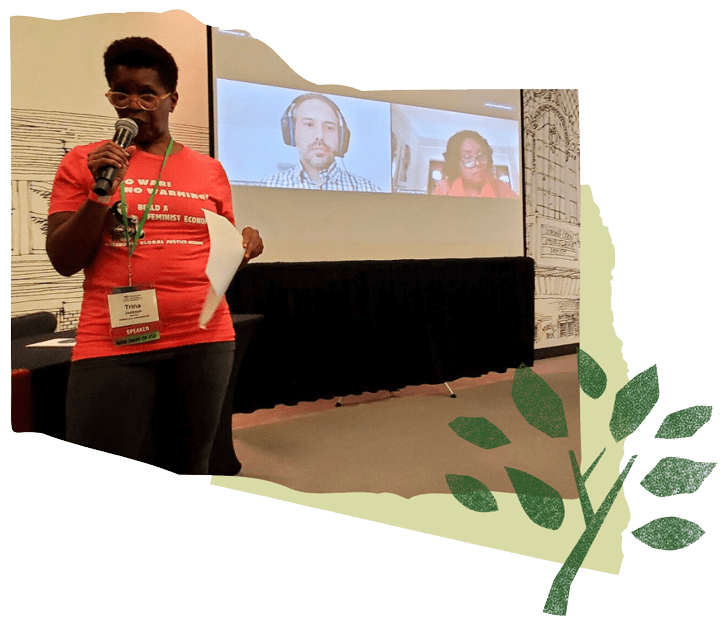
It is essential to use our voices and take action.
This is especially the case when movements and broader civil society are targeted and criminalized. Our solidarity is stronger when we support movement partners by publicly advocating for their rights, causes, and protection. In the case of private foundations, speaking up can reduce risks for public foundations and movement partners, amplifying their efforts in a crucial way.
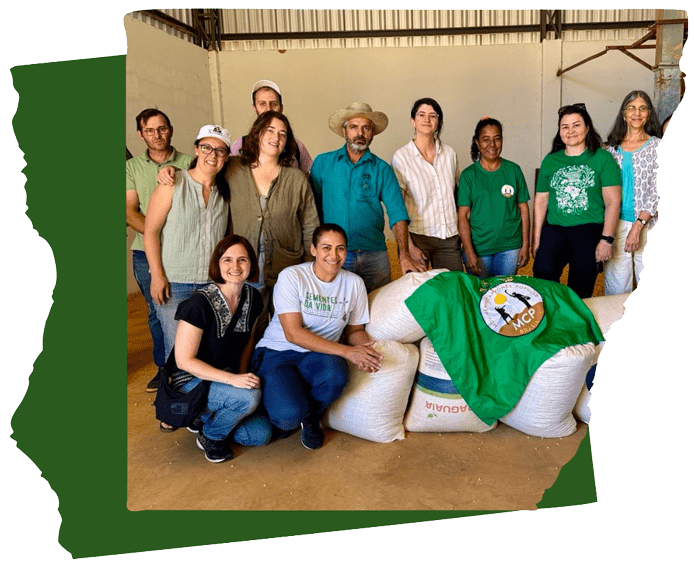
Public foundations are a key part of movement support infrastructure and need to be supported as such.
Public foundations that serve as movement support intermediaries have established trusted relationships with social movements in our communities and around the world. For those who have not done global grantmaking, or have a global program without an emphasis on social movements, collaboration with intermediary foundations can enhance the effectiveness, reach, and longevity of support.
We need to rethink impact and orient towards learning and collaboration.
It is time for us to join a move away from prescriptive, extractive, and overly quantitative metrics. We can embrace a framework that centers mutual learning and collaboration; respects local cultural and political contexts; acknowledges that systemic and historic change takes time; and understands that material outcomes cannot be separated from holistic movement building.
Solidarity philanthropy includes divestment from harmful systems and investment in life-affirming ones.
It is important to examine the entirety of our wealth, not only the portion going toward grantmaking. Whether institutional foundations that typically have 95% of their resources in endowments or individual donors with significant resources in reserves or other forms of wealth, it is critical to ensure that our investments are aligned with our solidarity.
Solidarity Philanthropy in the News
Reimagine Wealth Podcast: Solidarity Philanthropy with Grassroots International
Devex: Should Philanthropic Organizations Partner with Social Movements?
Candid: Practicing Solidarity: Lessons from a Partnership Between Funders and Social Movements
Forbes: Philanthropy’s Future: Incentive Competitions or Social Movements?
Proximate: Inside a Movement-Led Strategy for Agroecology Funding
Alliance Magazine: Supporting the Food Sovereignty Movement over the Long Haul Takes Solidarity Philanthropy
Becoming the Vision Podcast: “In Solidarity” with Chung-Wha Hong and Sara Mersha
Devex: How Two Funders Back Movements, Not Just Organizations


