
2026 Annual REPORT
Fear divides, movements rise.
and Board Co-Chairs
The past year has shown us, in no uncertain terms, what happens when authoritarianism meets unbridled technological power and control – from the AI-assisted data tracking and mass surveillance fueling ICE raids to algorithmic drone-based killings in Gaza, Iran, and beyond. While militarism has long been a force of death and destruction, rapid developments in technology are making it all the more pervasive in our culture, our economy, and our homes.
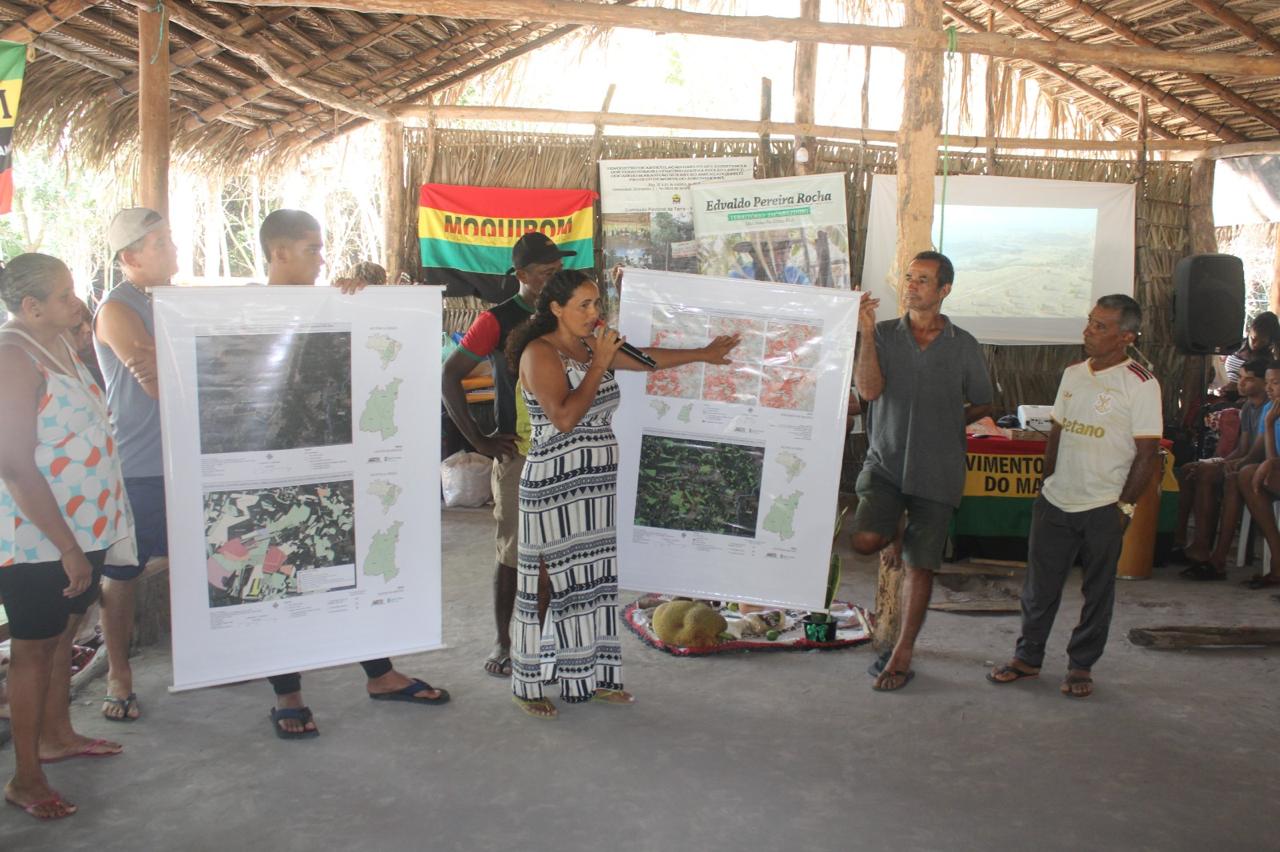
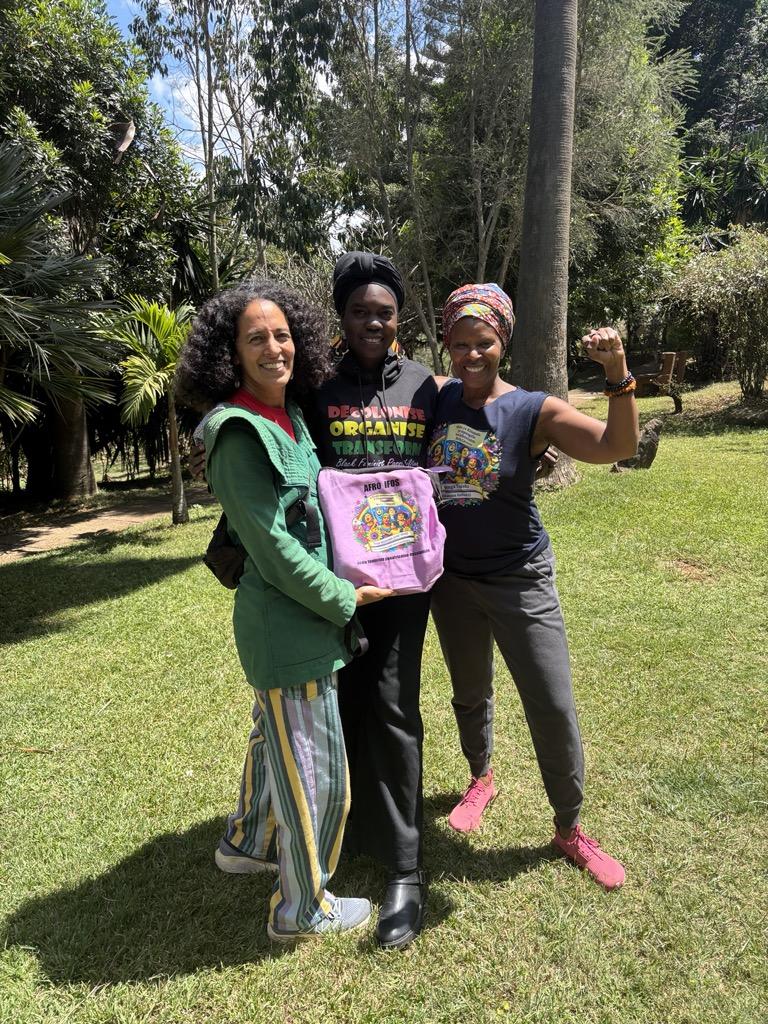
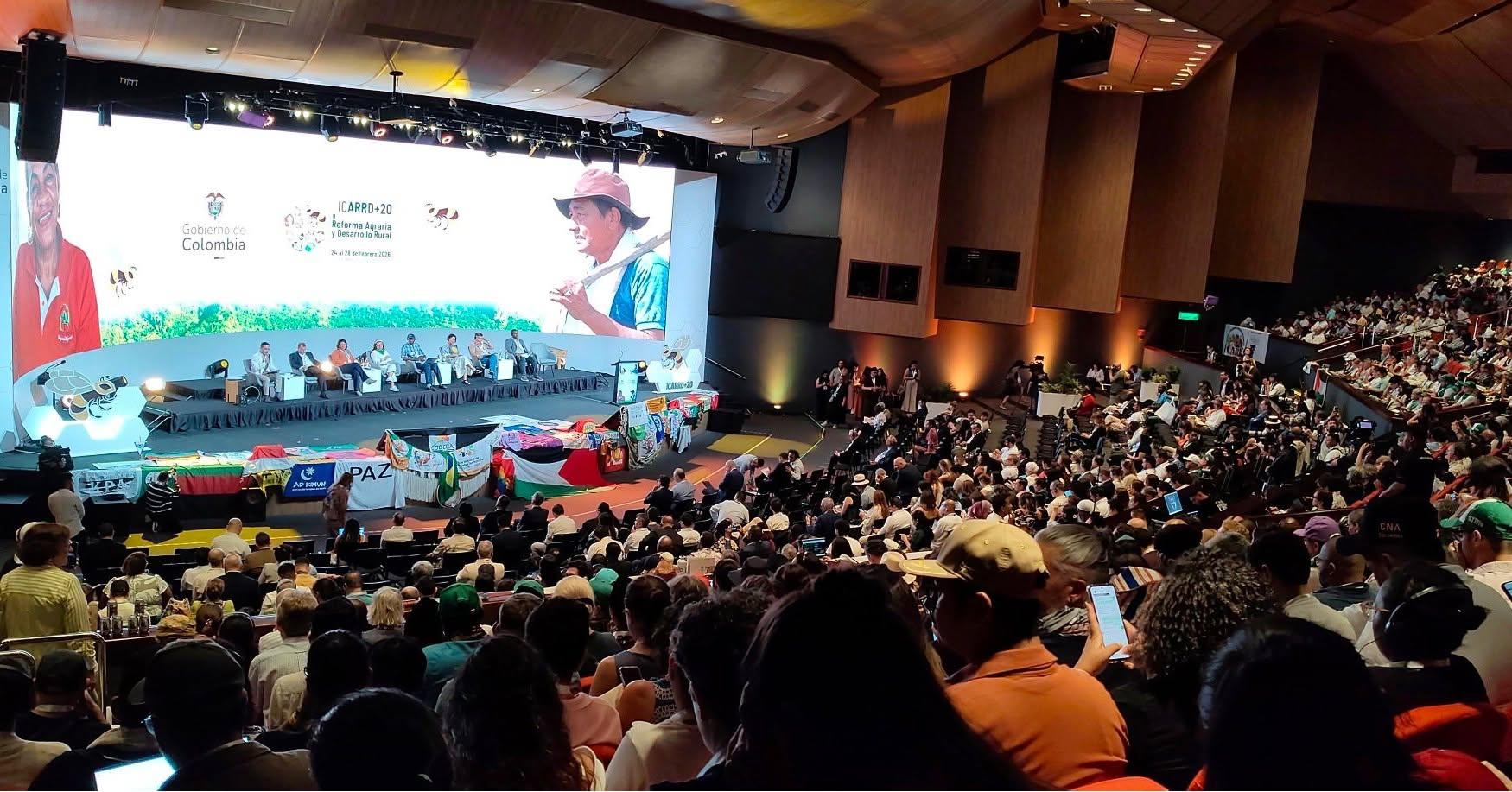
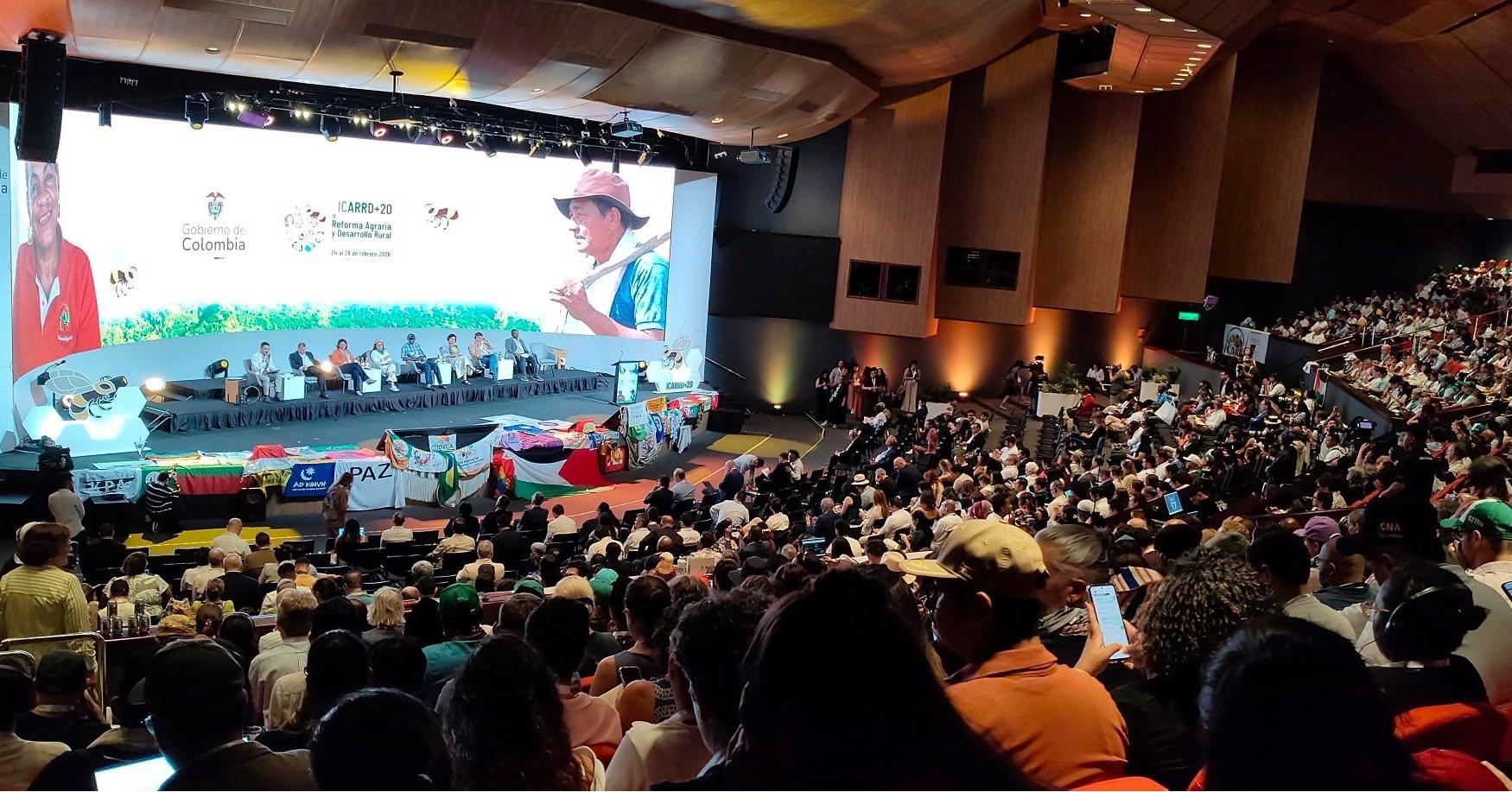
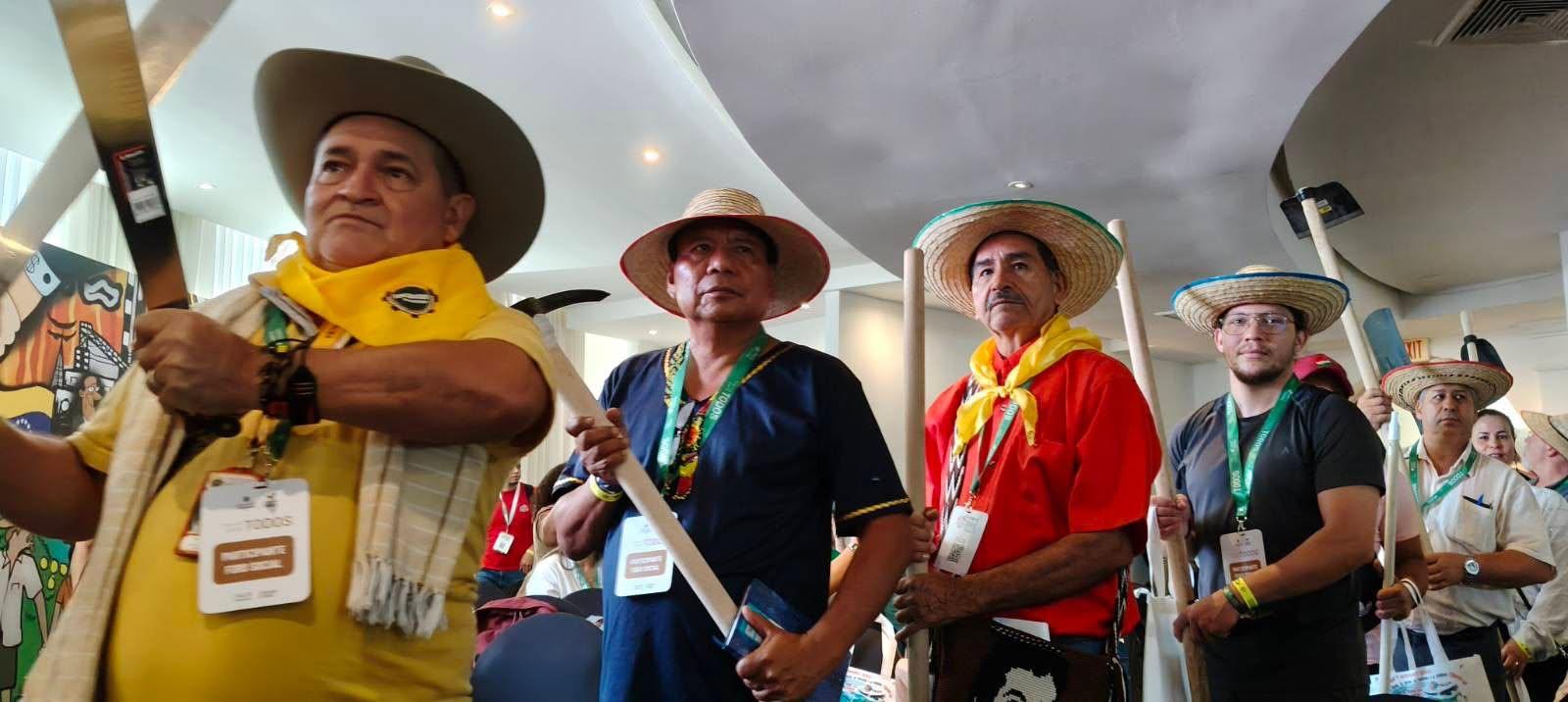
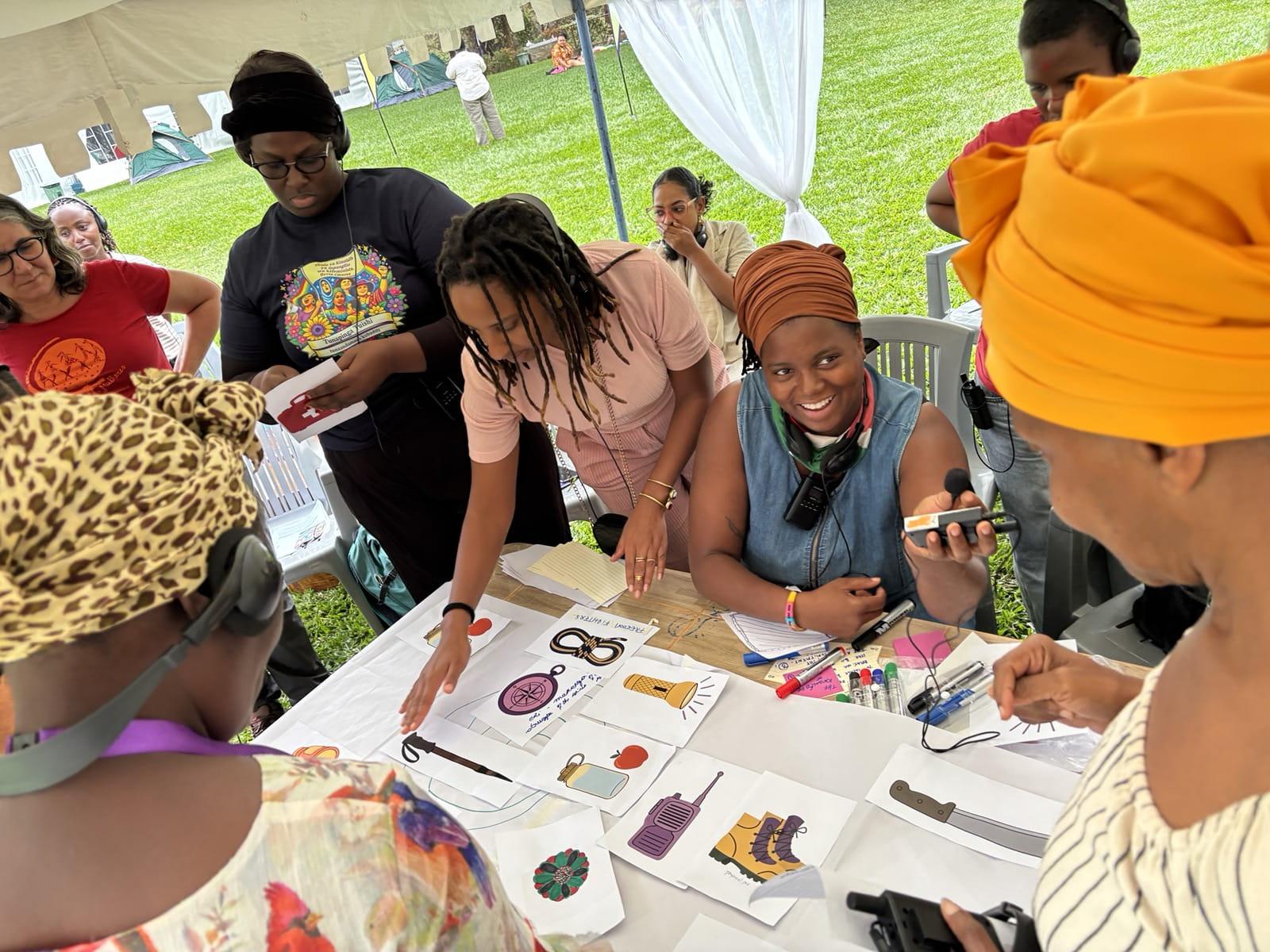
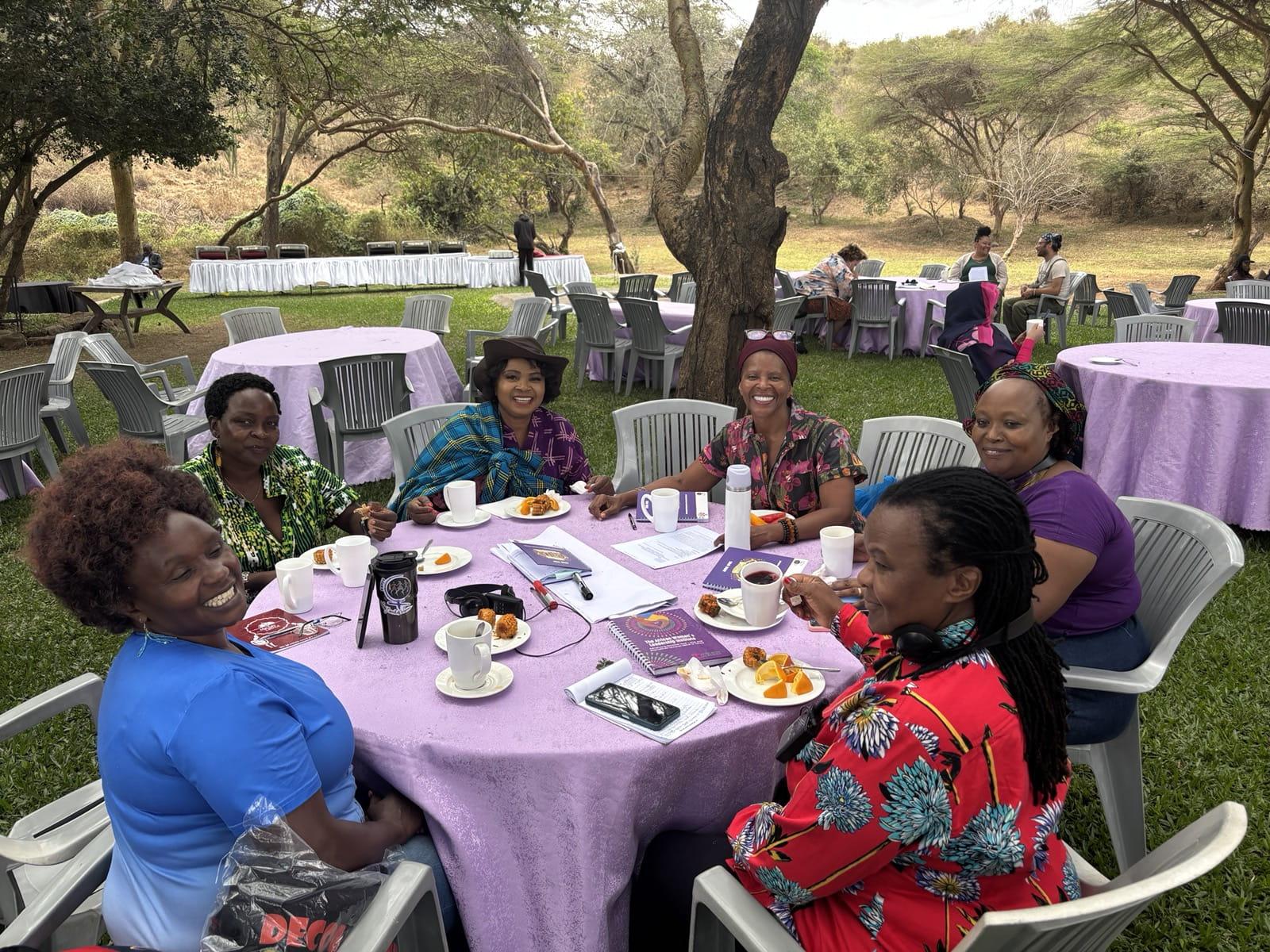
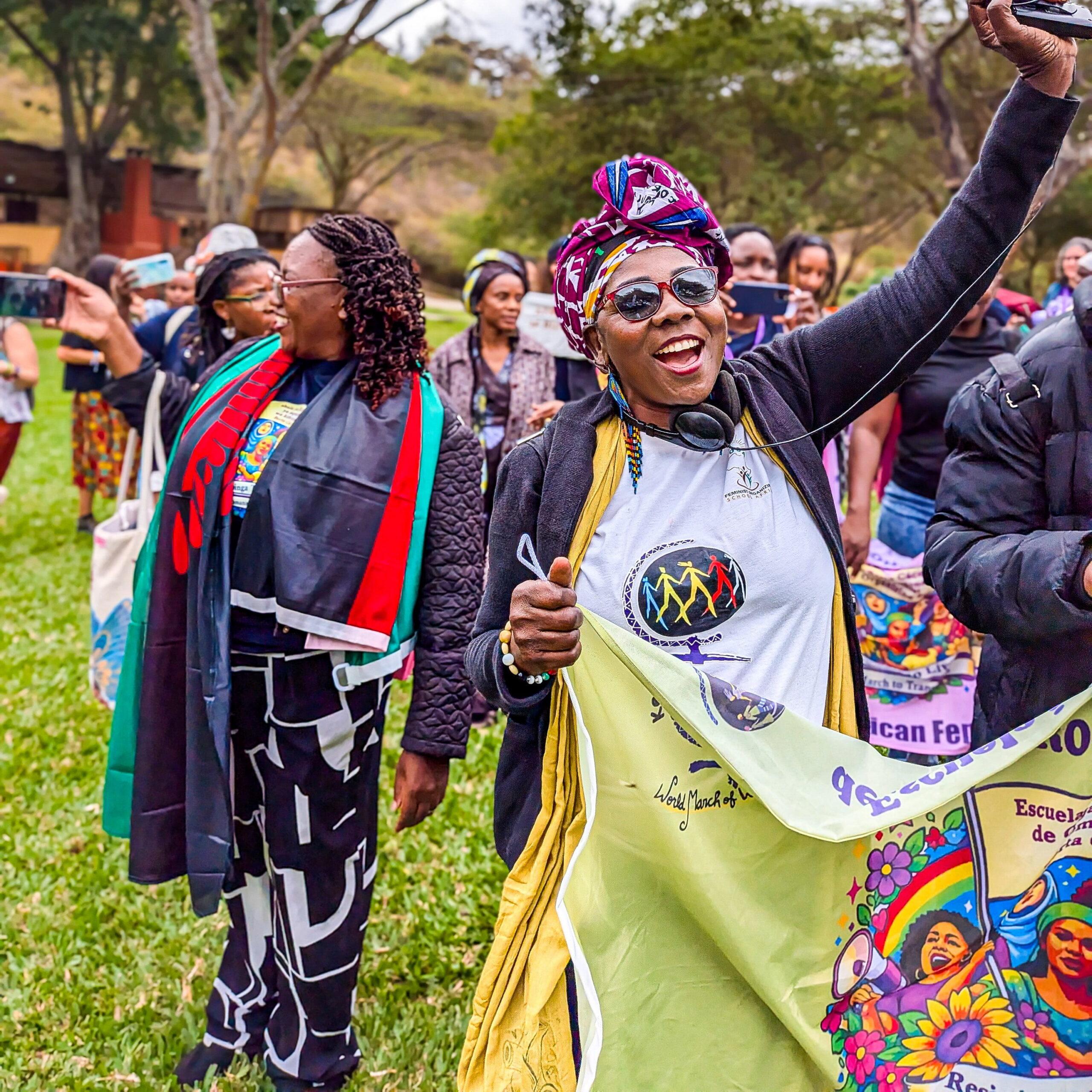
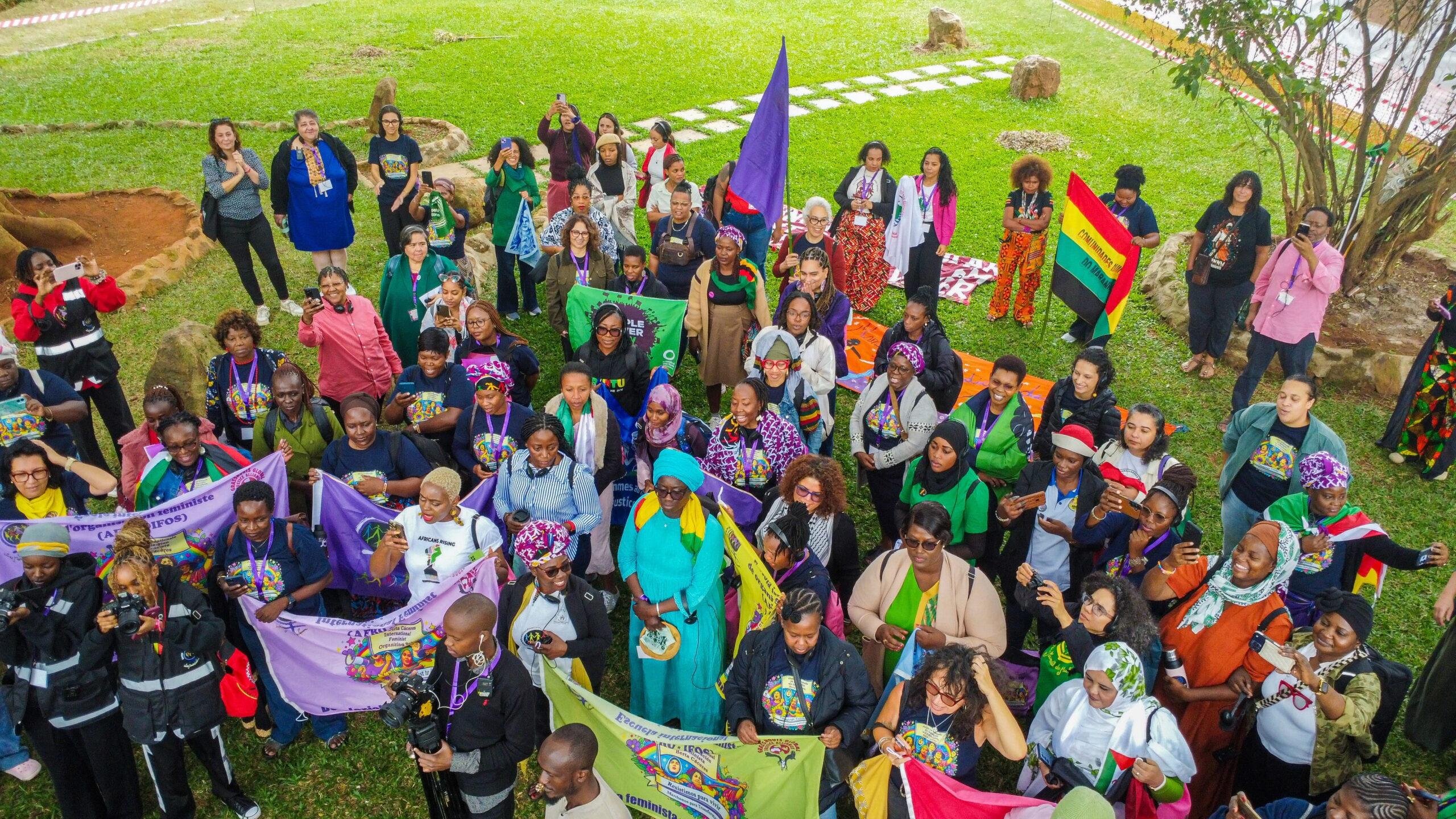
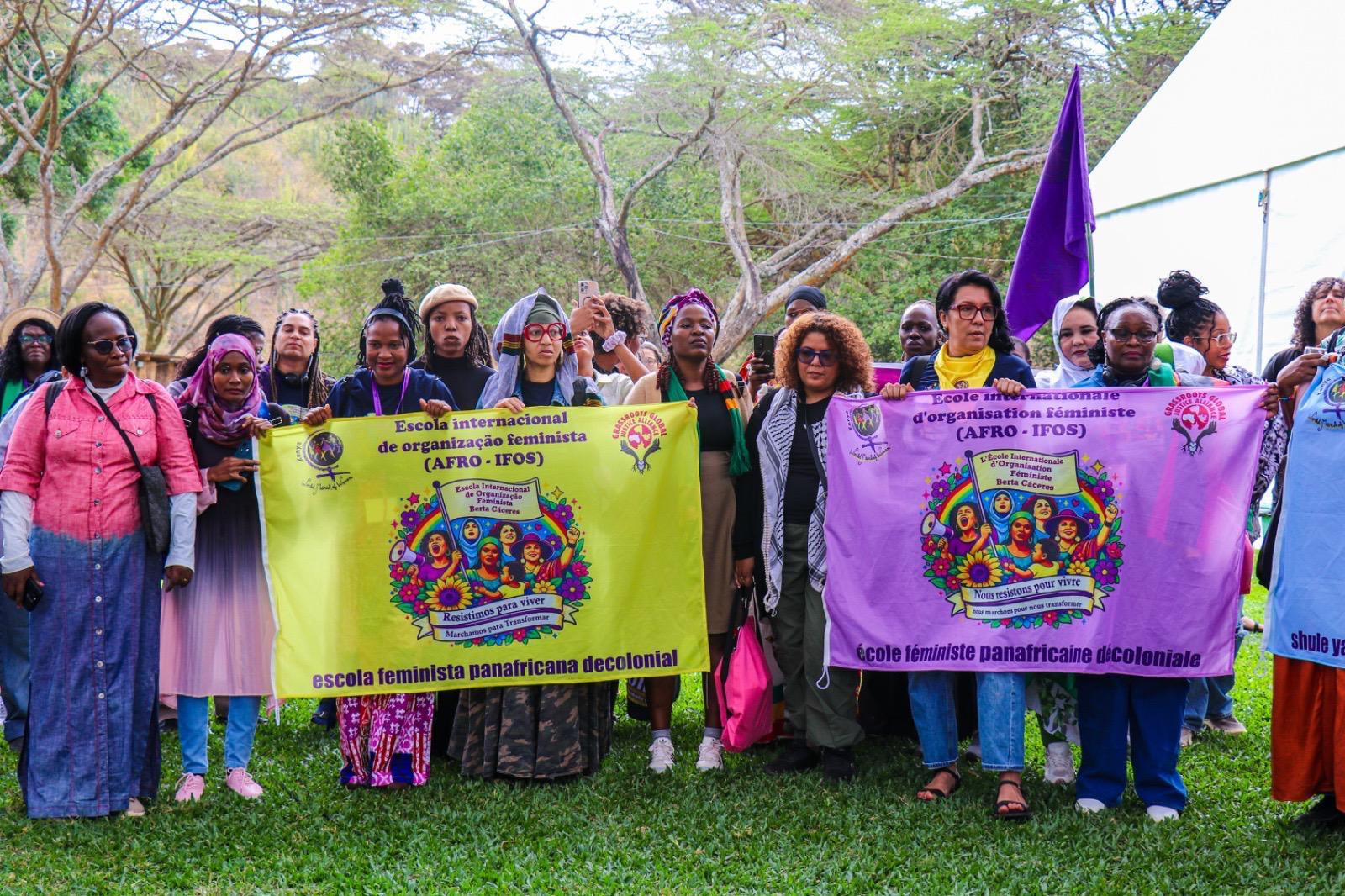
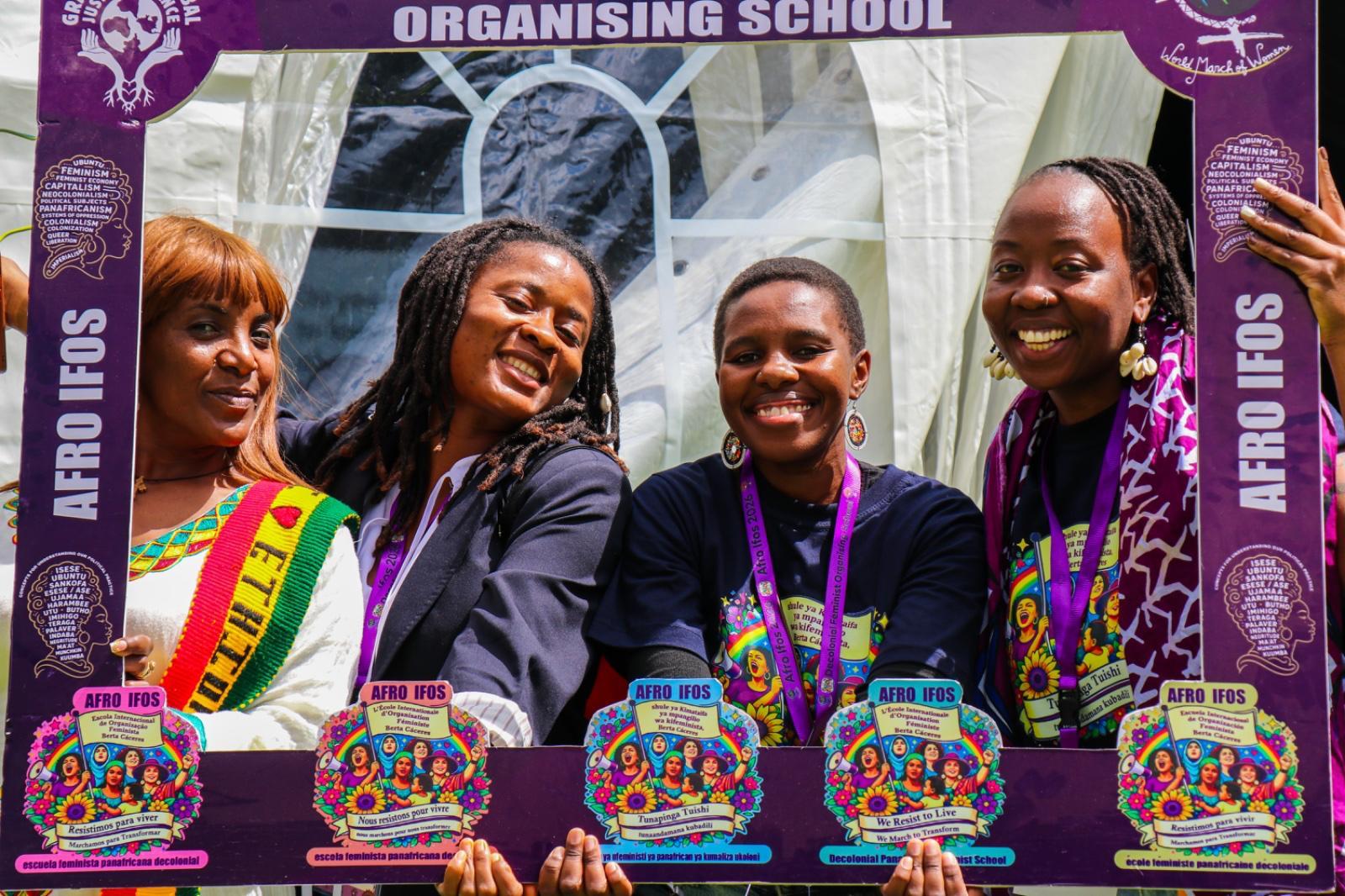
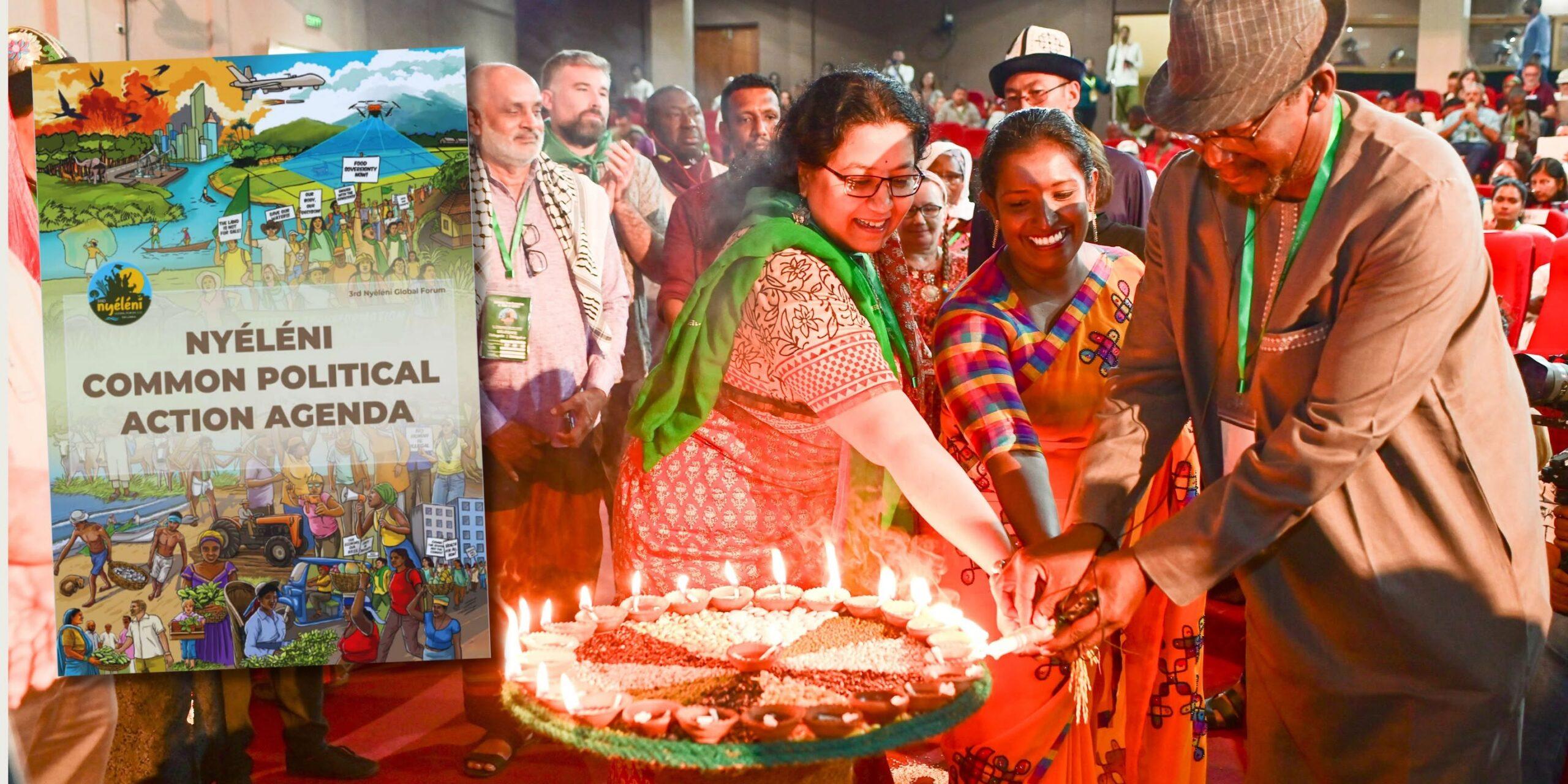
But if militarism is all around us, so too are movements – and they are continuing to build critical momentum. Last year Grassroots International was honored to participate in the 3rd Nyéléni Global Forum, part of a decades-long organizing process around food sovereignty. The Forum’s focus was systemic transformation, and the recently launched Common Political Action Agenda of Nyéléni put forth a bold future-facing roadmap for getting us there. This year we also closely accompanied social movements as they put agrarian reform back on the global agenda; organized caravans for the defense of land, water, seeds, and territory across West Africa en route to the World Social Forum; launched a Pan-African international feminist organizing school; held a global gathering uniting mobile Indigenous Peoples and pastoralists from the far reaches of the planet – and so much more.
None of these were one-off events, but part of long-term movement building processes that are ongoing and accelerating. The common denominator in each is a commitment to building the unity, power, and strength necessary to withstand the forces of death we are up against while building alternatives centered on life.
As well as accompanying this vital work, Grassroots International has been organizing alongside allies in philanthropy to transform our sector from within. This includes, among others:
- a new effort to drive more resources to movement-led struggles to push back militarization and advance peace with justice;
- an initiative highlighting the intersections of climate justice and defense of democracy in response to growing authoritarianism; and
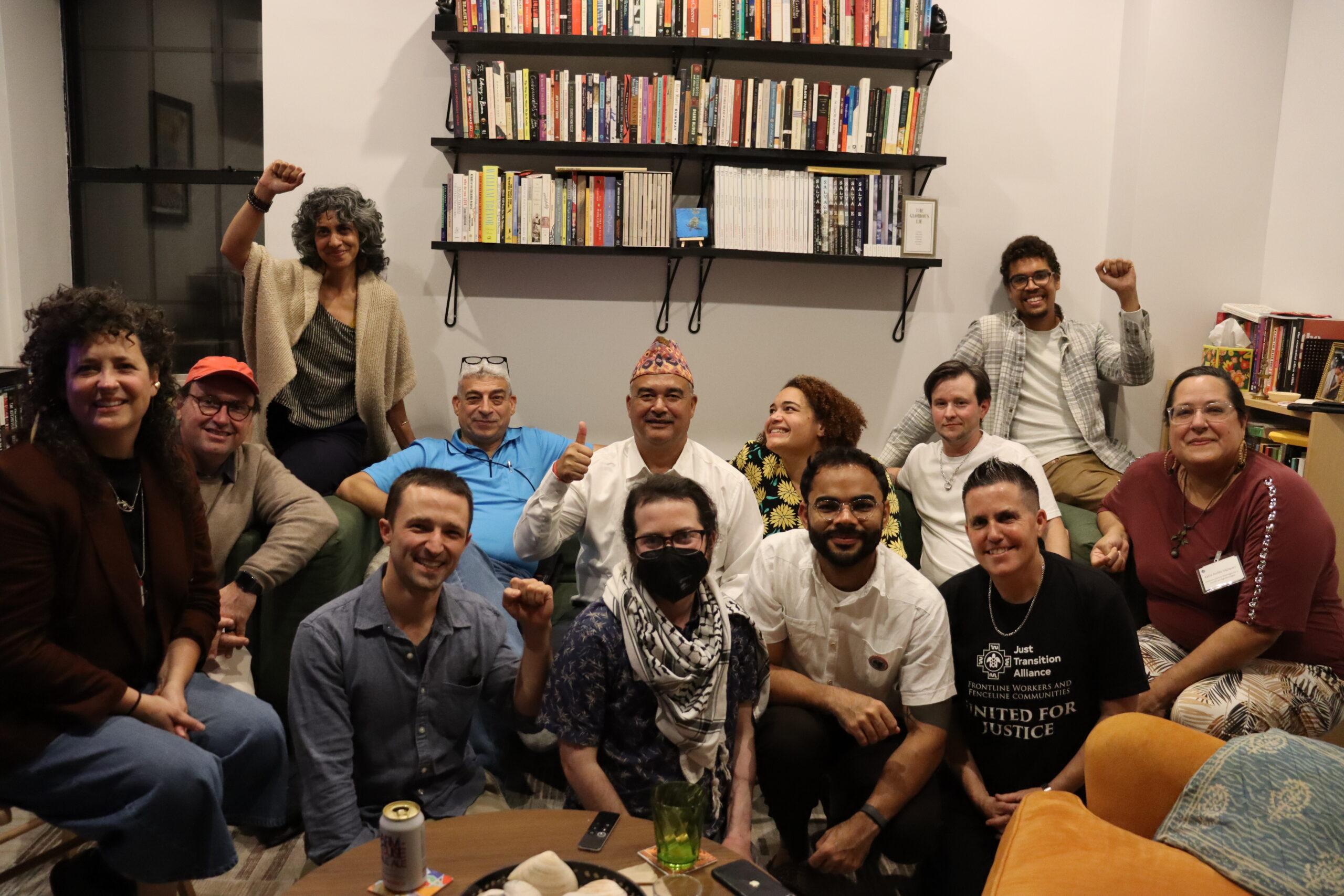
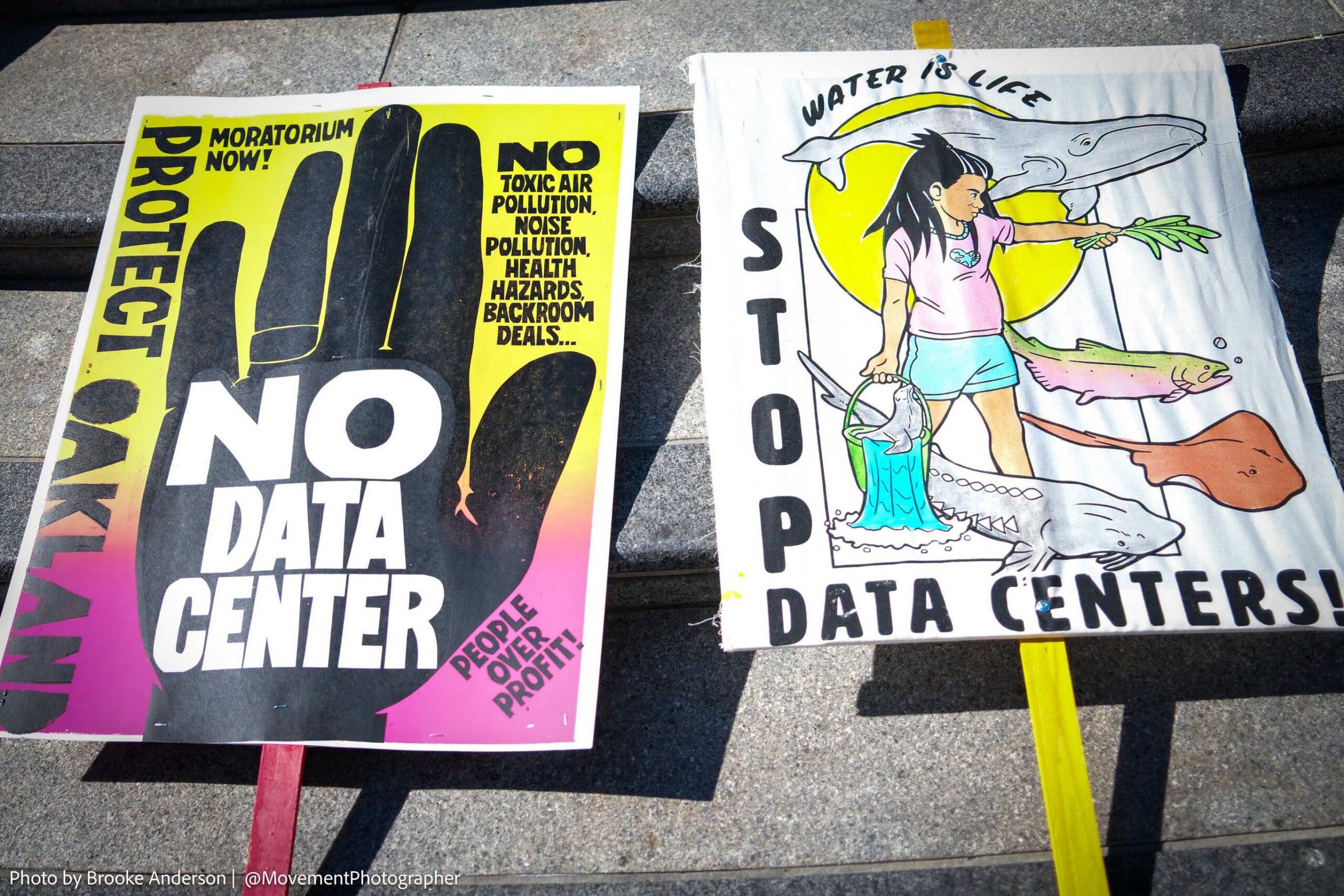
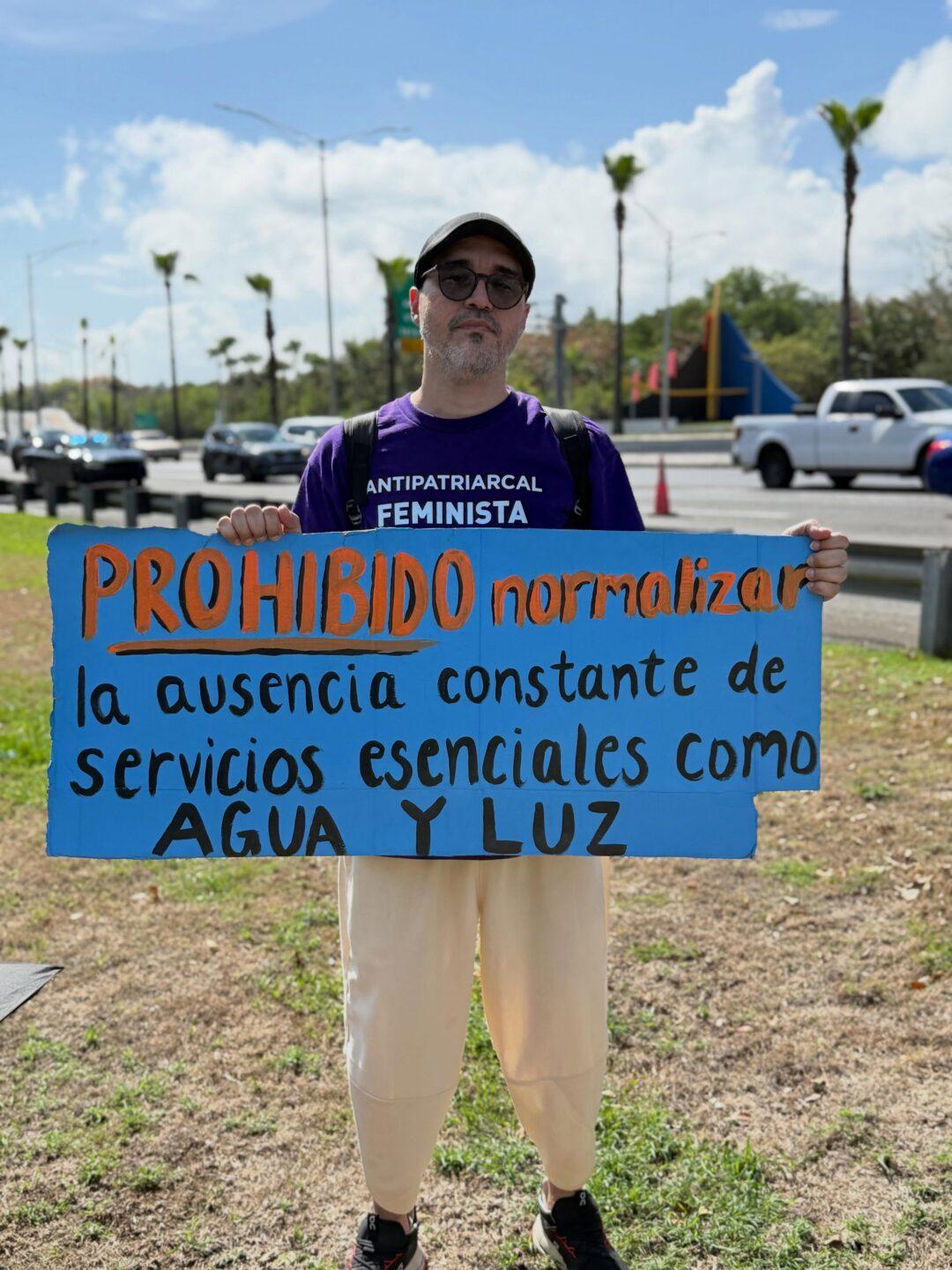
- increased support to movements in the US organizing together with their neighbors to defend and support one another; to stop endless wars and data center expansion; and to stand up for immigrant rights and racial and gender justice.
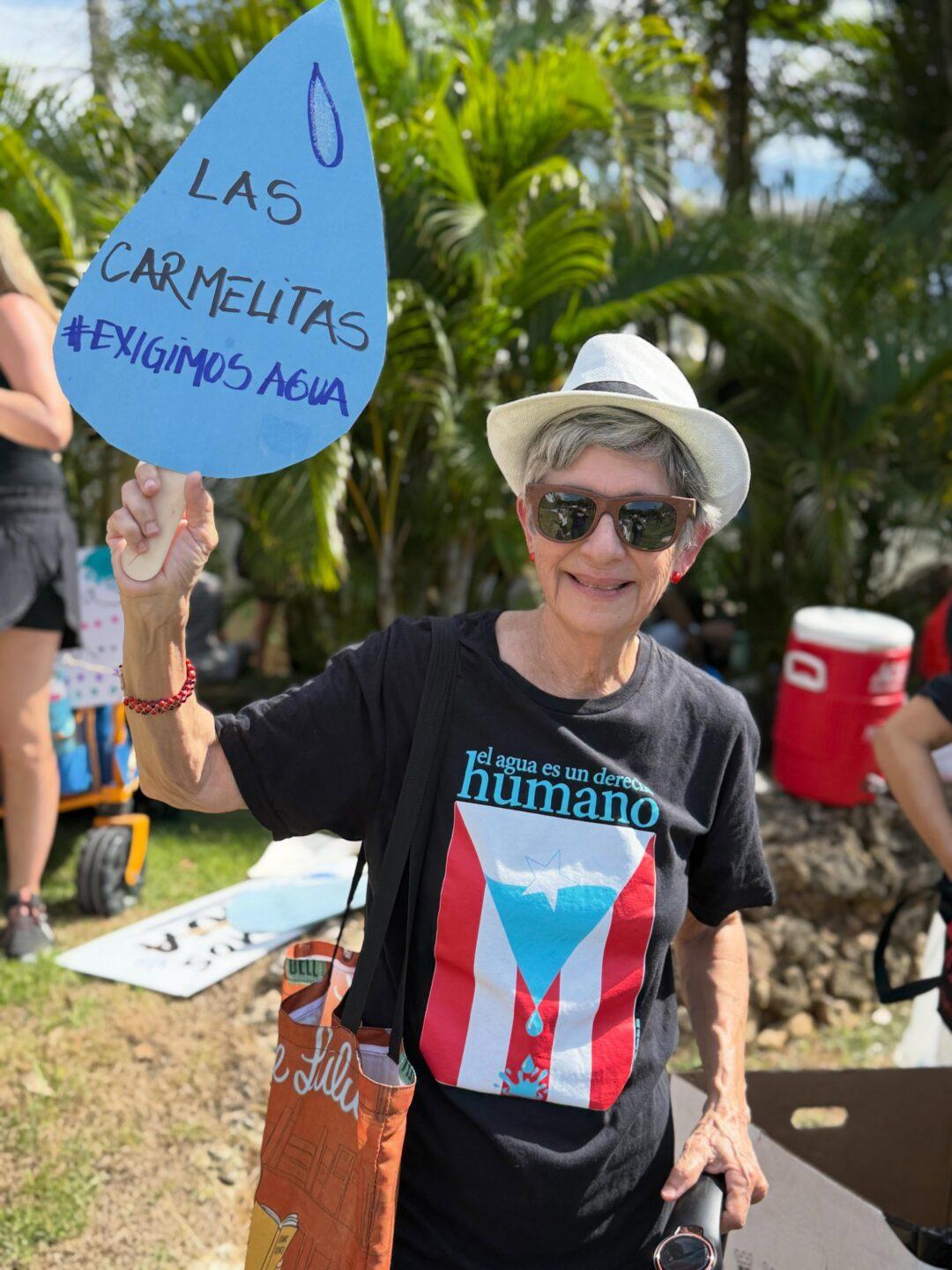
In each of these cases, funders and grassroots communities are aligned in working to create the world we wish to see: protecting water, growing and sharing healthy food, multiplying local seeds, recuperating territory, caring for the Earth and one another. Indeed, we are learning together about how the practice of collective care is central to both sustain and strengthen our efforts, especially in the current context.
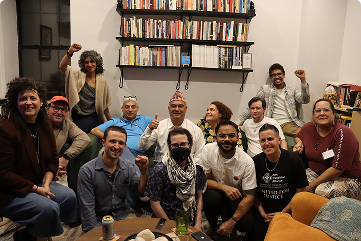
For Grassroots International, these and other efforts have been a natural extension of our longstanding work on solidarity philanthropy. Over the past year, we have continued to deepen this framework. One highlight among many was our Solidarity Philanthropy Praxis Retreat, through which we strengthened our praxis of solidarity philanthropy together with our peers, supporters, and movement partners. Most importantly, we have strengthened our praxis through the ongoing work of accompanying the movements who are standing up for justice and protecting the ultimate source of life – the Earth itself. Because much of this work is so rooted in community and in everyday acts of resistance, it might not always be as easy to see as the horrors we are up against. But it is there, and it continues to strengthen and multiply – inspiring us, humbling us, and spurring us onward.
We are deeply grateful to be together with you on this journey.
Chung-Wha, Jesenia, Kalila, and Sara
Co-EDs and Board Co-Chairs
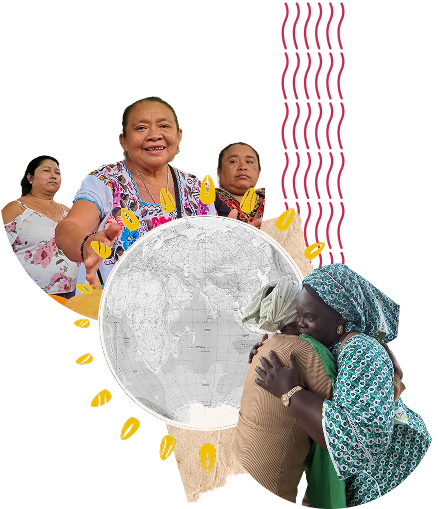
“Because much of this work is so rooted in community and in everyday acts of resistance, it might not always be as easy to see as the horrors we are up against. But it is there, and it continues to strengthen and multiply.”
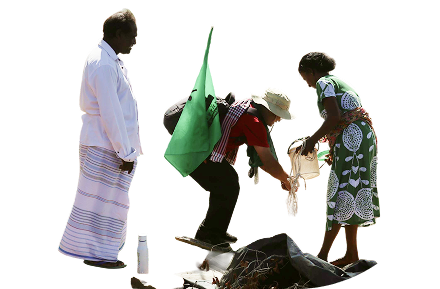
Fear divides. But it’s through borders that fear is built and expressed. Actions that build international unity, or internationalism, are how we concretely break down those divisions and cut away the fear.
It goes beyond looking past individual differences. It’s about uniting our struggles. The crises we face spill across borders; our responses need to organize across borders, too.
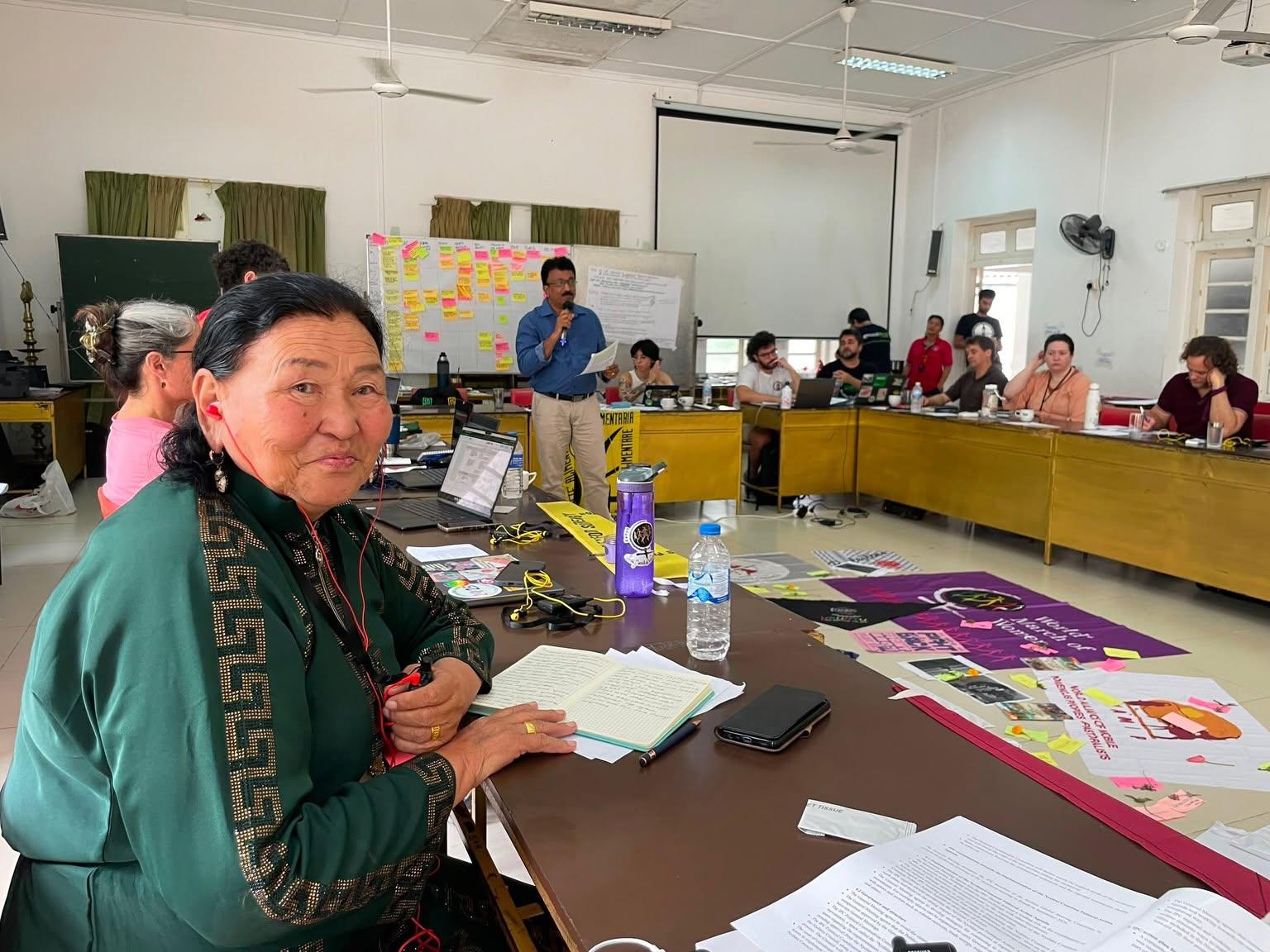
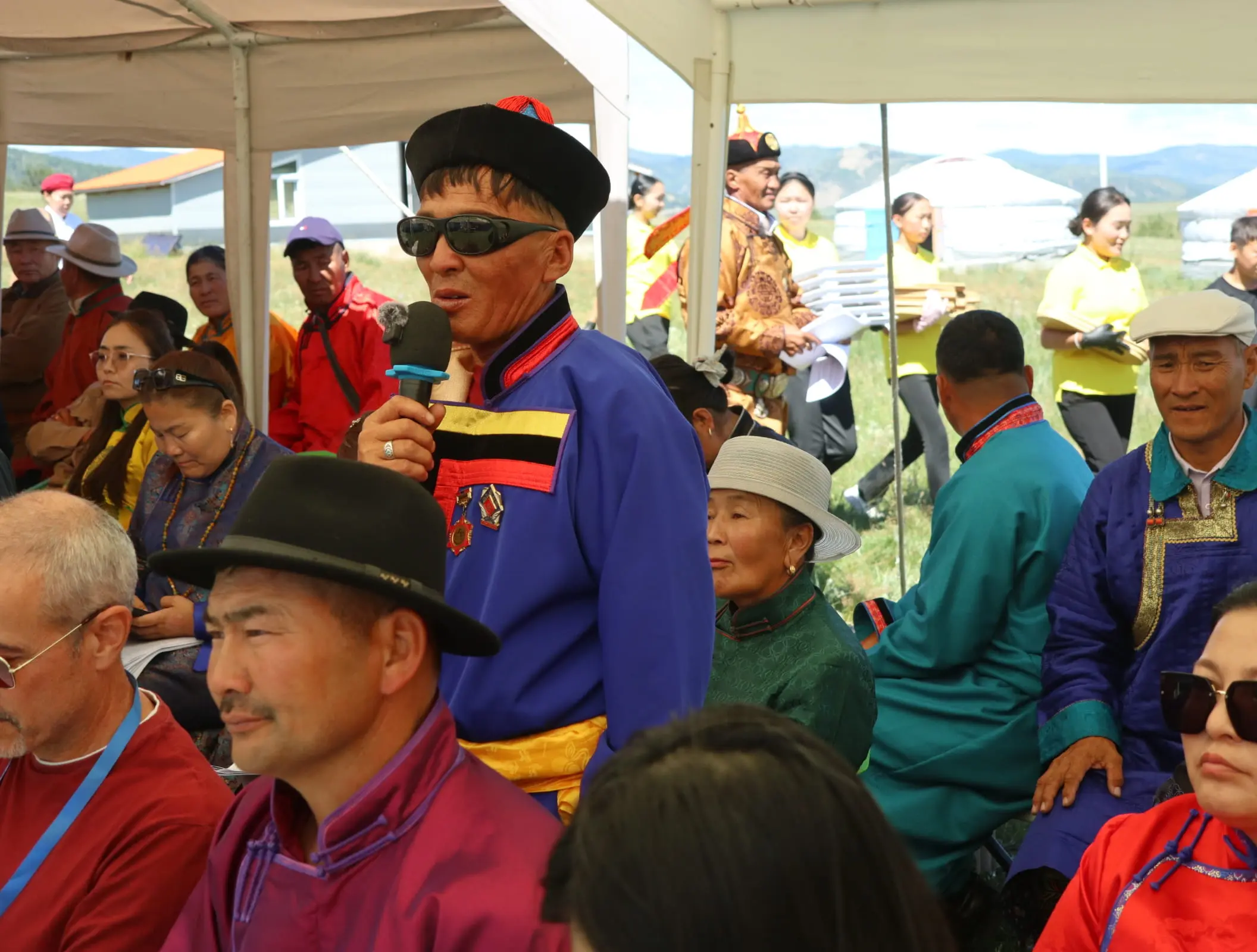
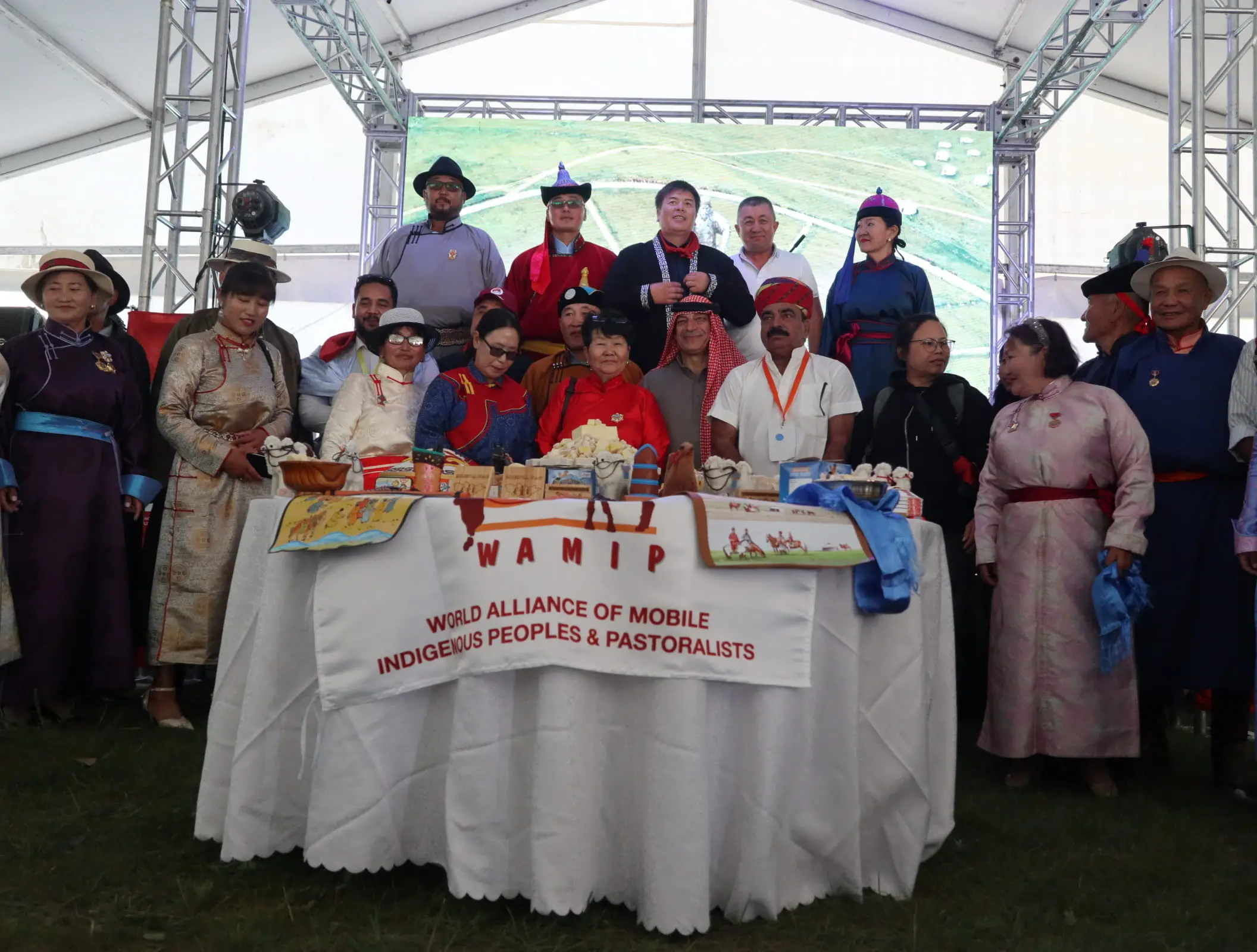
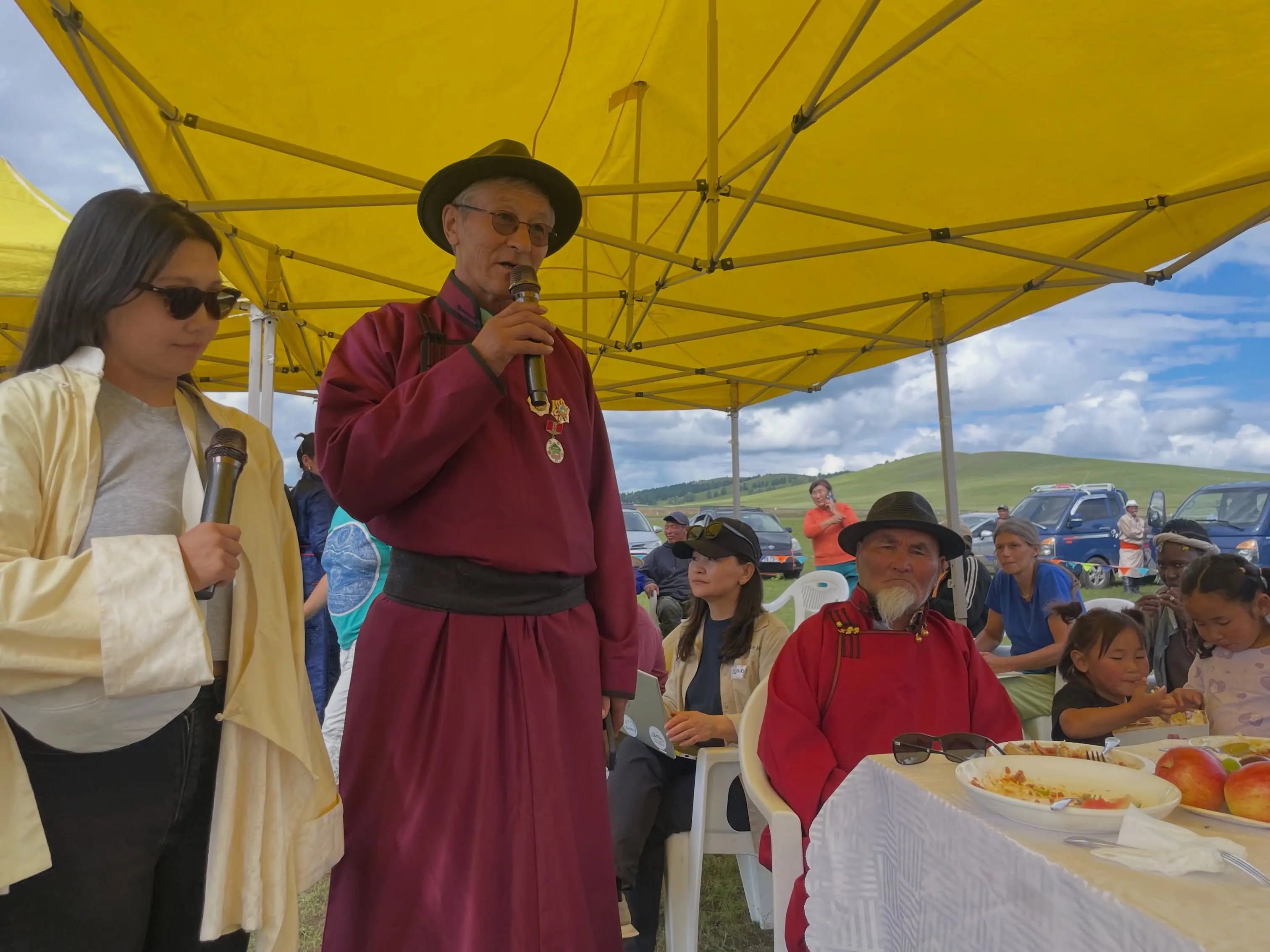
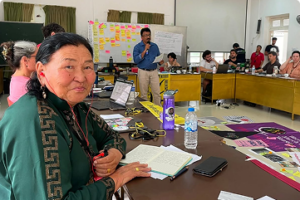
Global convergences are one important aspect of that work for social movements. This year, the World Alliance of Mobile Indigenous Peoples and Pastoralists (WAMIP) met in Mongolia for the World Pastoralist Assembly and government-organized Global Pastoral Gathering.
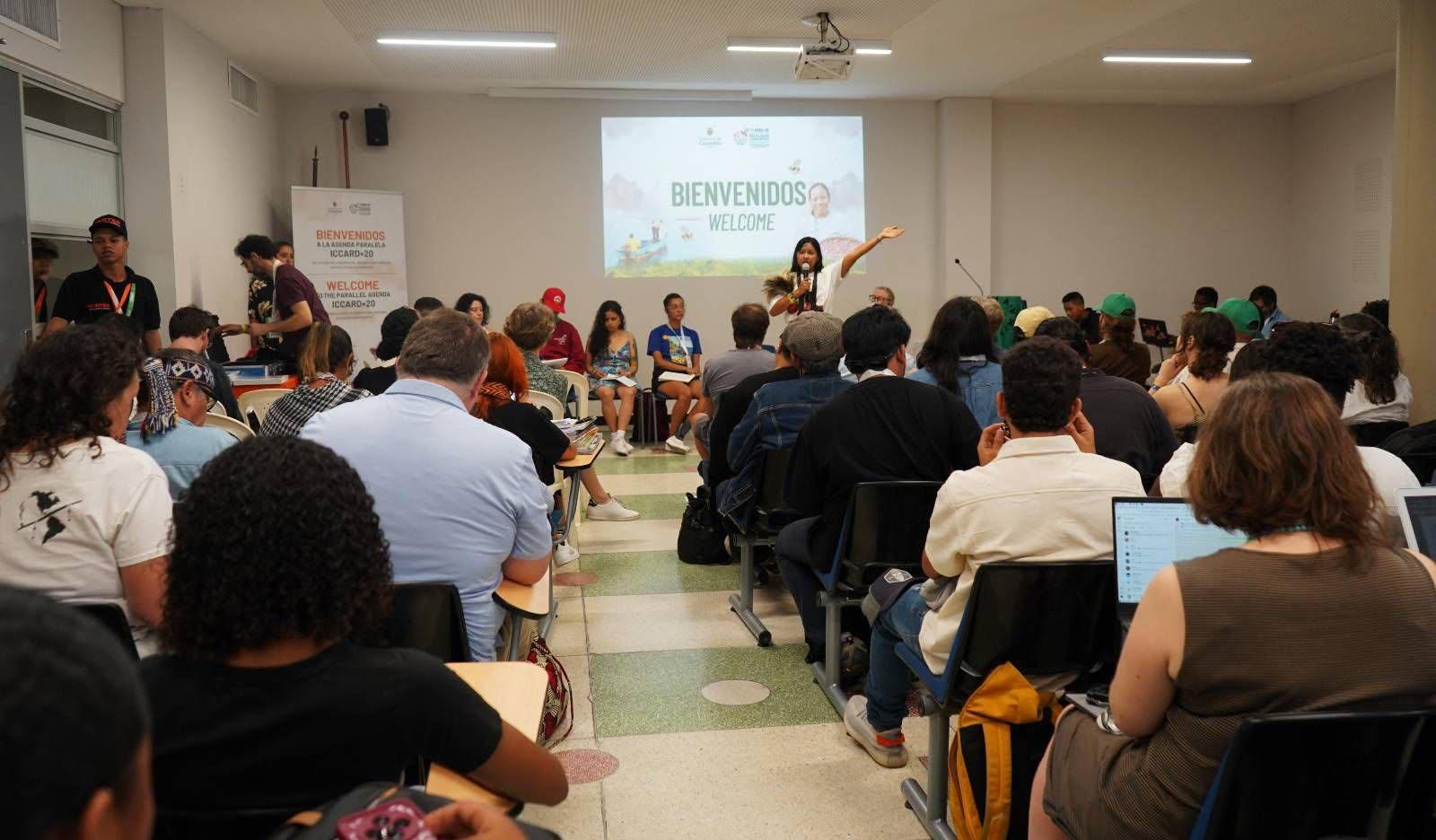
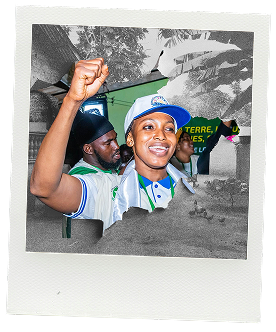
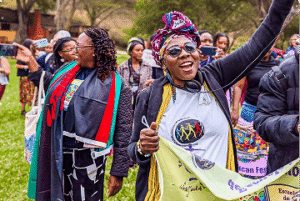
Movements mobilized across West and Central Africa for the fifth Caravan for the Right to Land, Water, and Peasant Seeds. Across four multi-country routes, hundreds of participants uplifted and linked rural communities’ struggles together and brought these issues to the World Social Forum held in Benin.
In both cases, these global social movements built unity among themselves and their allies. But they also struggled against two ways the powerful have often silenced movements for social change: the co-optation of their voices and crackdowns on their ability to speak freely.
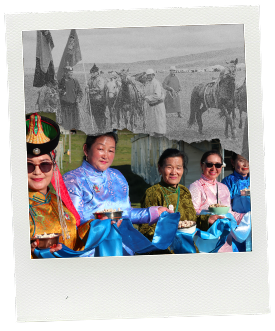
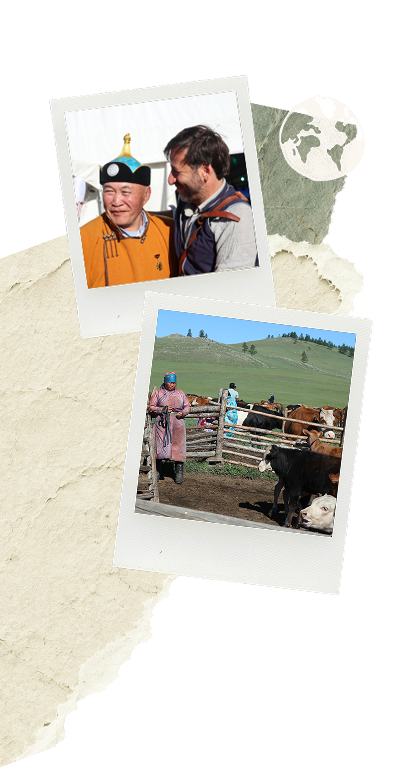
- Over 130 pastoralists and allies from across nine regions around the world participated in the World Pastoralist Assembly.
- The gathering was timed to coincide with 2026 being named by the UN as the International Year of Rangelands and Pastoralists.
- The site of the assembly, Mongolia, is home to the world’s highest concentration of nomadic pastoralism.
Pastoralists steward some of the world’s most critical ecosystems. They do so while feeding communities, fueling local economies, keeping cultural traditions alive, and playing major ecological functions, from restoring degraded lands to reducing the risk of wildfires. They are also on the frontlines of the climate crisis, land grabbing, and extractivism, among other threats to their existence. Yet both their vital contributions to food sovereignty and their many struggles are often overlooked.
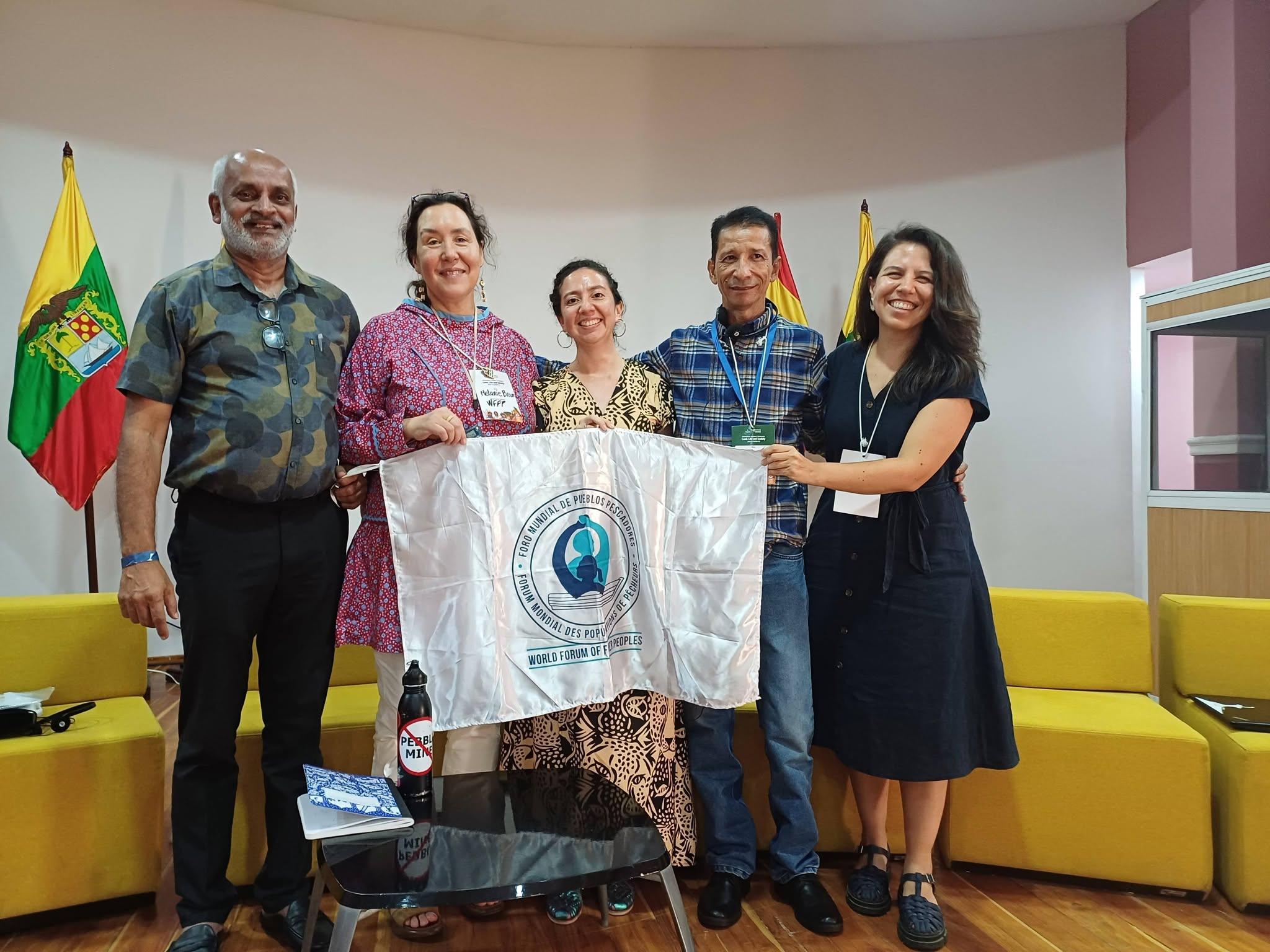
The World Alliance of Mobile Indigenous Peoples and Pastoralists (WAMIP), a global social movement of grassroots pastoralist organizations, is home to some of the world’s most marginalized food providers. WAMIP seeks to make both the contributions and struggles of pastoralists more visible and organizes them into a more powerful constituency to defend their rights from the local to global levels. By participating in a wide range of social movement spaces and intergovernmental processes, WAMIP brings the voices of pastoralists to the global stage while advancing food sovereignty on the ground.
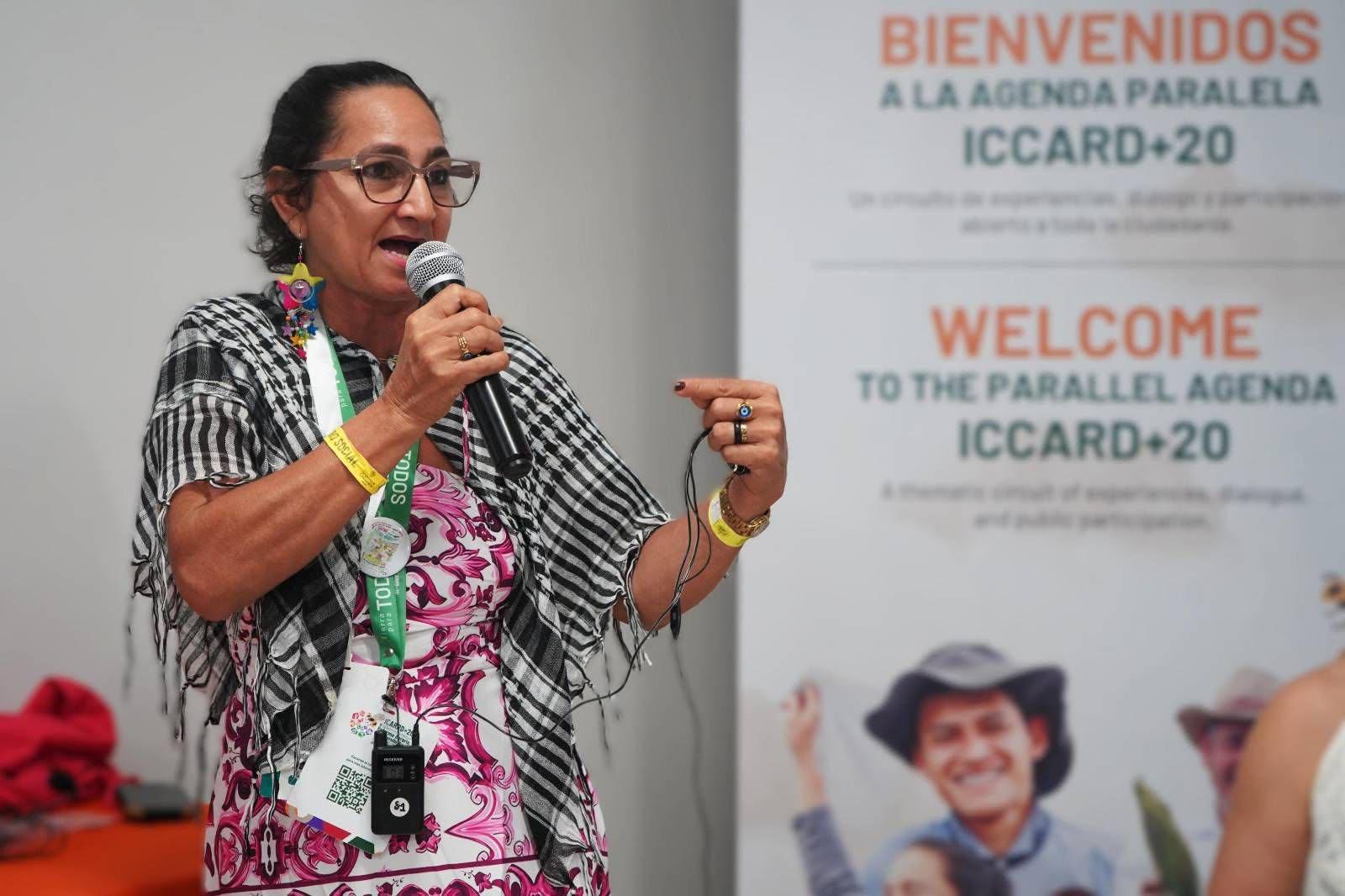
Within food sovereignty spaces, WAMIP has helped to bring about a shift from static conceptions of land and property to a more holistic understanding of territory as the ecosystems, watersheds, and webs of relationships connecting different people across geographies. This is reflected in the recent outputs of the Nyéléni process for food sovereignty and systemic transformation and the ICARRD+20 process for agrarian reform, both of which WAMIP played a key role in. It is also reflected in our own framing and thinking at Grassroots International.
This past August, Grassroots International had the honor of joining WAMIP for a major milestone in its two decades of organizing, its World Pastoralist Assembly held outside Ulaanbaatar, Mongolia. Neither the timing of the event nor the location was coincidental. 2026 is the International Year of Rangelands and Pastoralists, and Mongolia could not be a more fitting setting in which to commemorate it. From the reindeer herders to the north along the Russian border to the camel herders in the Gobi Desert to the south, it is the country with the highest concentration of nomadic pastoralism, and is also among the most impacted by climate change.
The assembly coincided with two other gatherings in Mongolia. The first, right before WAMIP’s, was similar in name though very different in nature. The “Global Pastoralist Gathering and Conference” was organized by the UN and included pastoralist “representatives” hand picked by governments for their affinity with carbon trading schemes and mining concessions. WAMIP felt it was important to insert movement voices into this process shaping the future of pastoralism while at the same time building power in its own space. The other event, following WAMIP’s gathering, was a UN conference on biodiversity, in which WAMIP also engaged.
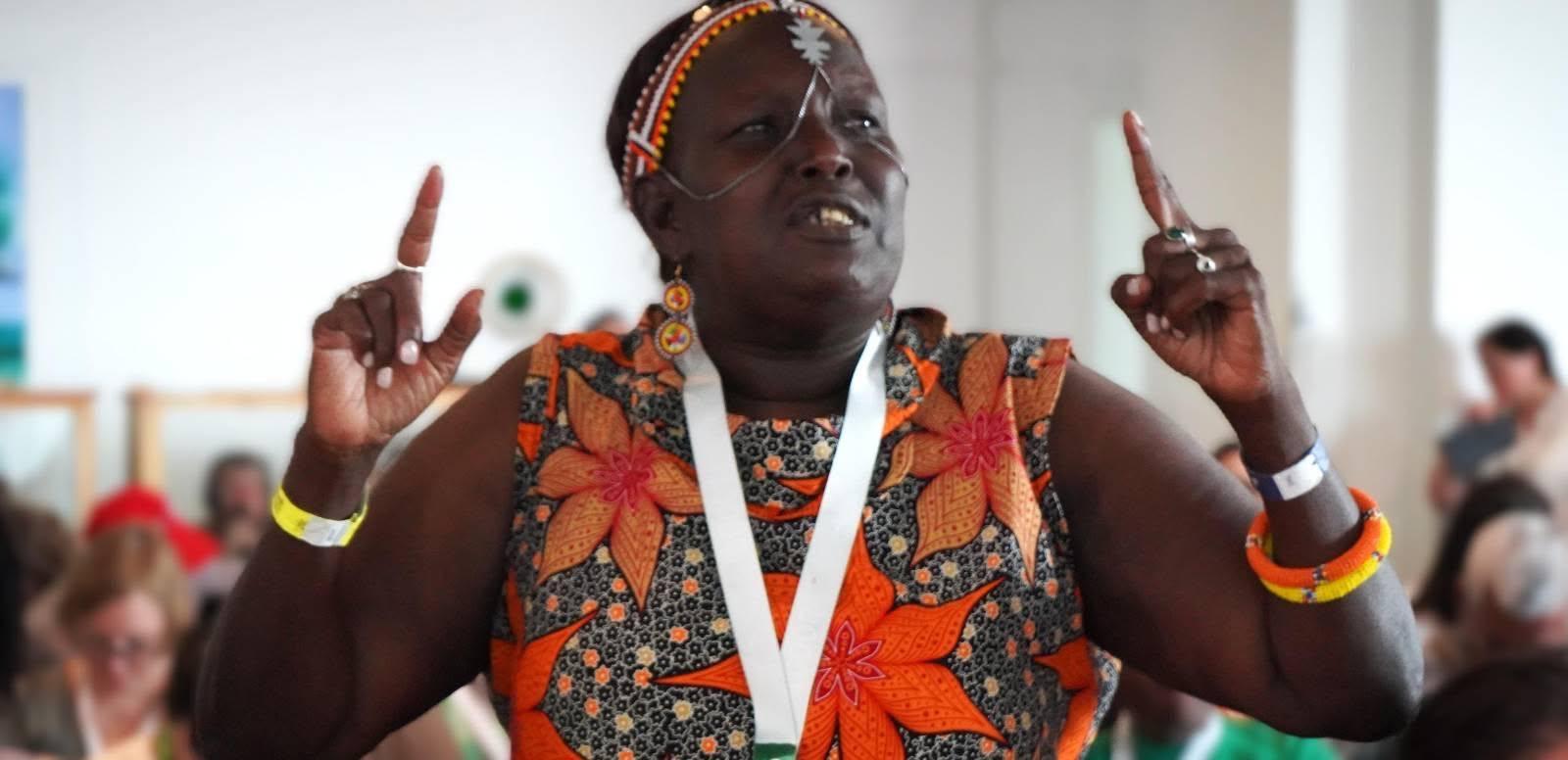
At the WAMIP assembly, the energy was palpable as pastoralists converged from the far reaches of the globe – including East Asia, the Middle East, and the former Soviet Union, among other areas often underrepresented in social movement gatherings. Among the main proposals was “building territories for life” as a counter to the global enclosure of the commons and the positioning of grasslands as the latest frontier for green grabbing for carbon schemes. A particularly moving moment was when participants all took out bells that they had brought from their livestock back home and rang them in unison, at once reflecting the unity, diversity, power, and beauty of this global movement. Another highlight was the announcement of WAMIP’s winning the 2026 Food Sovereignty Prize, well-timed recognition for a movement coming of age.


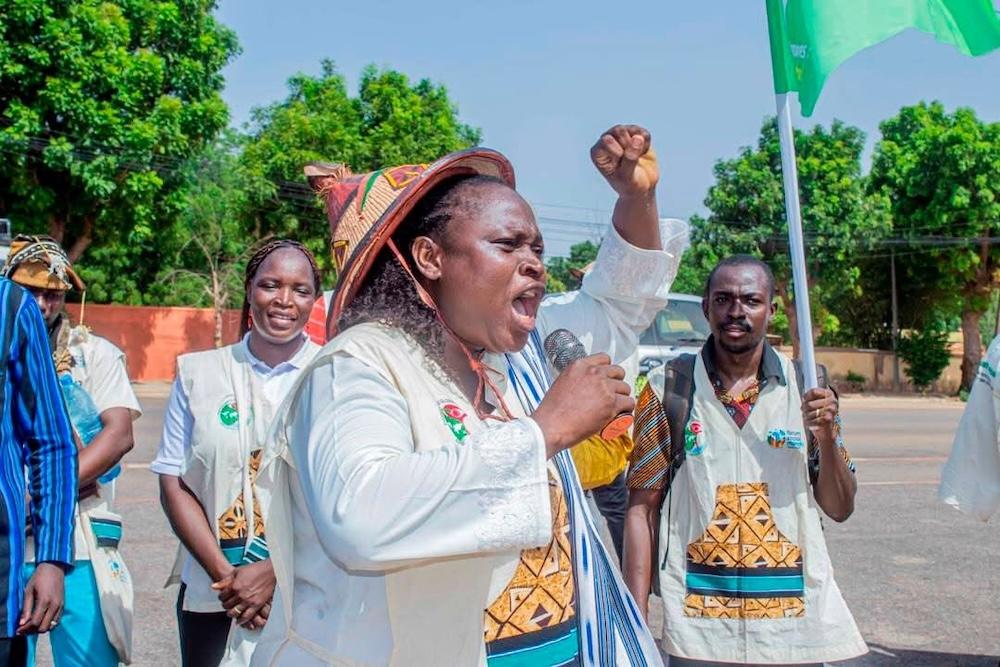
In July and August 2026, social movements across Africa gathered and mobilized for two powerful convergences: the West and Central African Caravan for the Right to Land, Water and Peasant Seeds and the World Social Forum in Benin.
This year’s caravan, its fifth iteration since 2016, traveled through communities most exposed to land grabbing, climate disruption, extractivist investment, and the slow dismantling of customary resource governance. They stopped in villages and cities to hold popular conferences, visited agroecological farms, met local chiefs and prefects, organized cultural events, and presented advocacy documents to government authorities.
One of its most powerful stops occurred in Togo, at the Maison des Esclaves (House of Slaves) where hundreds of thousands of enslaved people were held kidnapped on their way to the Americas. The caravan’s visit drew connections between resistance to the theft of bodies and to the theft of territory in the global struggle for Black liberation.
Convergence Globale des Luttes pour la Terre et l’Eau – Afrique de l’Ouest (Global Convergence of Land and Water Struggles – West Africa, or Convergence) organizes the caravans. This regional social movement is active in 14 West African countries and provides a key regional articulation for resisting land grabs and corporate power.
Grassroots International, just as in past years, accompanied the caravan – both with funding and by traveling with our movement partners for two weeks. The caravan serves two main purposes: to strengthen regional ties among different national peasant movements and to strengthen these communities’ rights.
Unlike in past years, however, this fifth caravan served an additional purpose: mobilizing rural communities and movements to the World Social Forum in Cotonou, Benin.
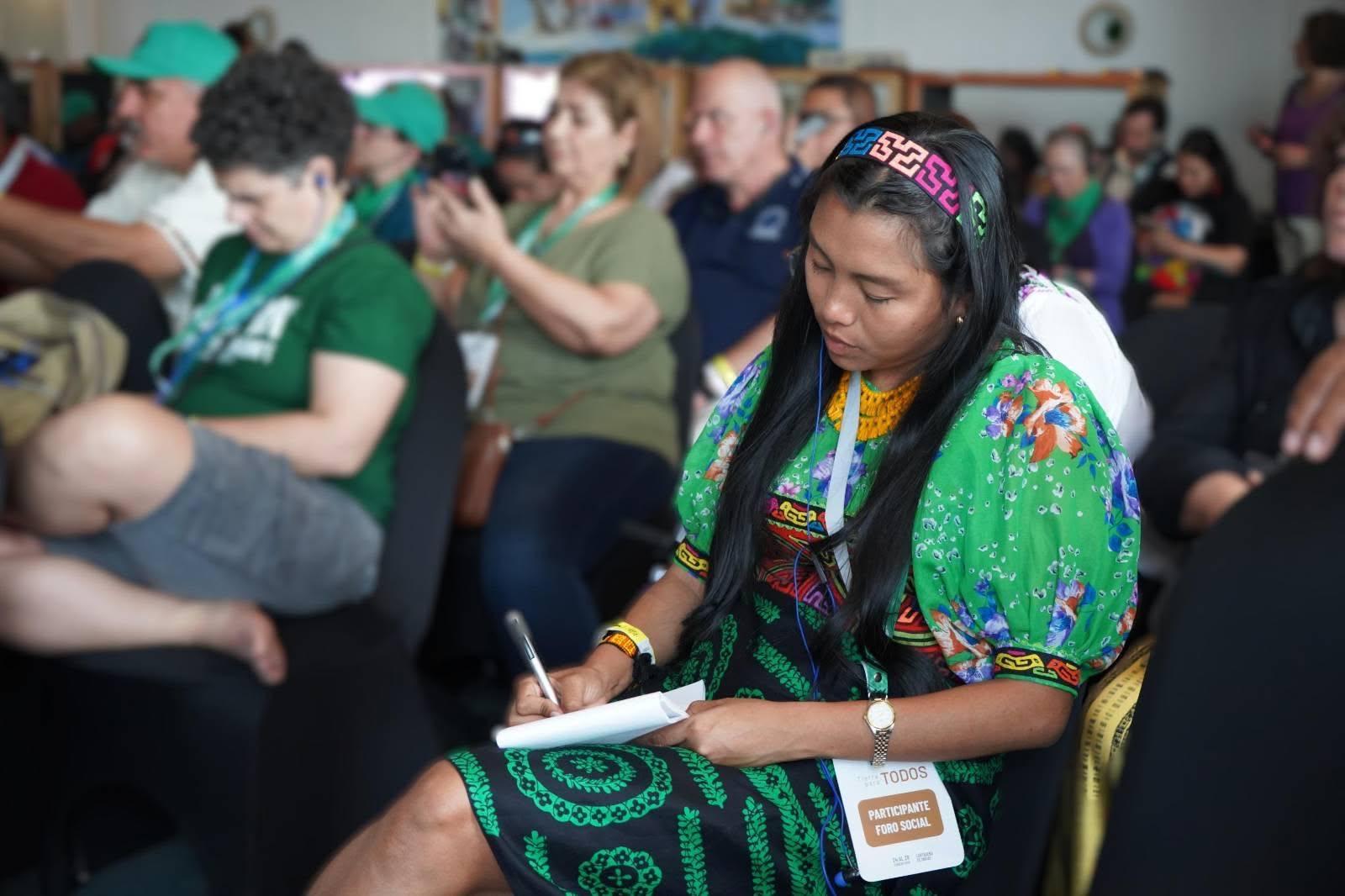
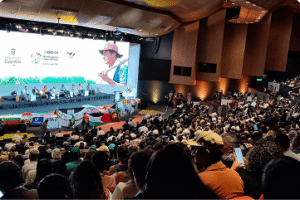
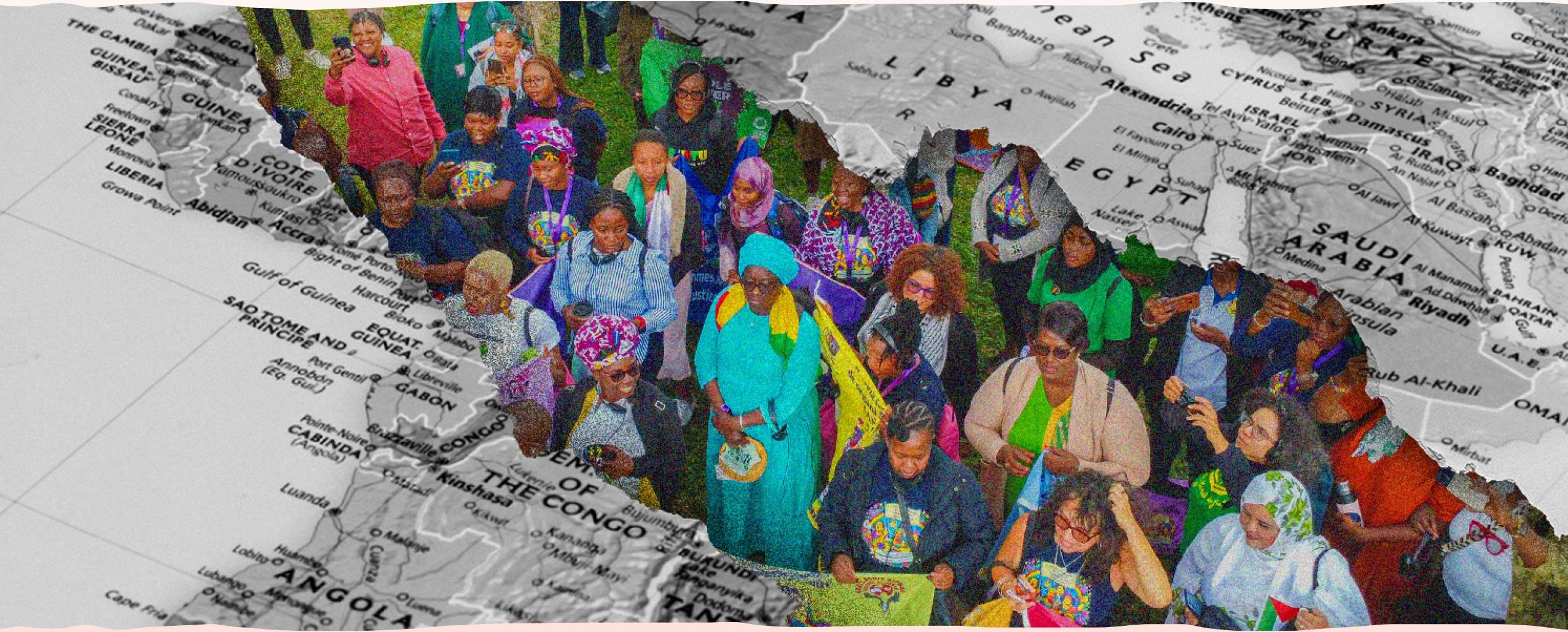
For over 25 years, the World Social Forum (FSM) has served as a key space to build international solidarity and visionary alternatives among social movements, though this was only the second time West Africa has hosted it. Leading a nearly two-year process, The Convergence drew together over 100 community and social movement organizations to plan and organize the forum in Benin.
Yet days before the event, the FSM nearly didn’t happen. As the caravan converged in Lomé, Togo, the Benin government announced the forum’s sudden “cancellation.” Participants continued towards Benin, but were stopped by police after crossing the border and sent back to Togo. They were eventually allowed to re-enter Benin after the government reversed its decision and permitted the Forum to proceed, one day after its originally scheduled opening.
Those that arrived at airports had their passports confiscated and put on return flights back to where they came. More than 15 delegates from Grassroots International’s partners in Haiti were unable to travel to Benin due to U.S. visa restrictions and the lack of access to Spanish and Canadian embassies in Port-au-Prince. And concerns emerged that Morocco had pressured the Benin government to limit discussion of Western Sahara, a territory Morocco has continued to colonize.
The WSF’s near-cancellation highlighted a central aspect of today’s global context: the shrinking and evermore precarious space for democracy, free speech, and the right to organize.
Despite these challenges, movements across Africa and the world made the Forum a major success, grounded in large part by our partners in the West African Caravan. In a very concrete way, they showed that ordinary people can build power across borders.
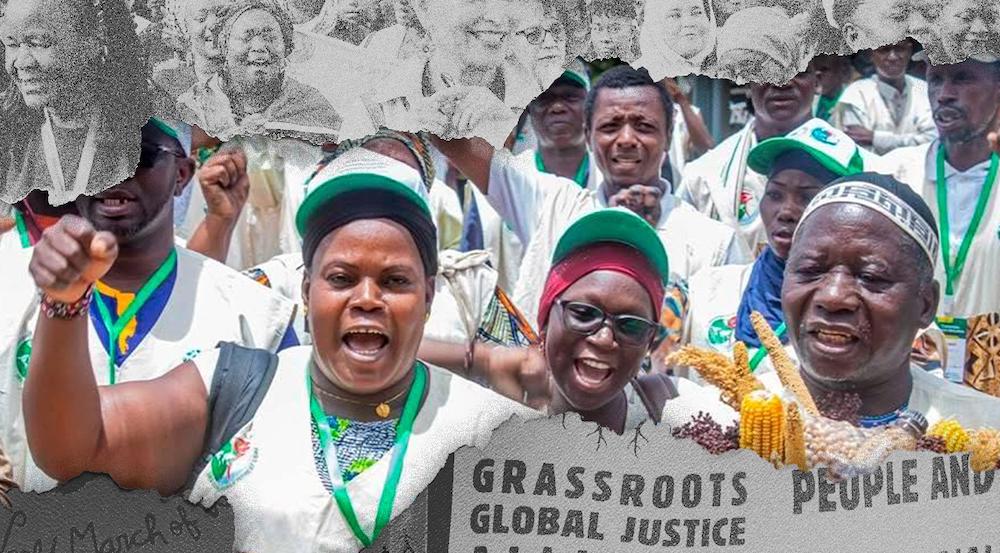


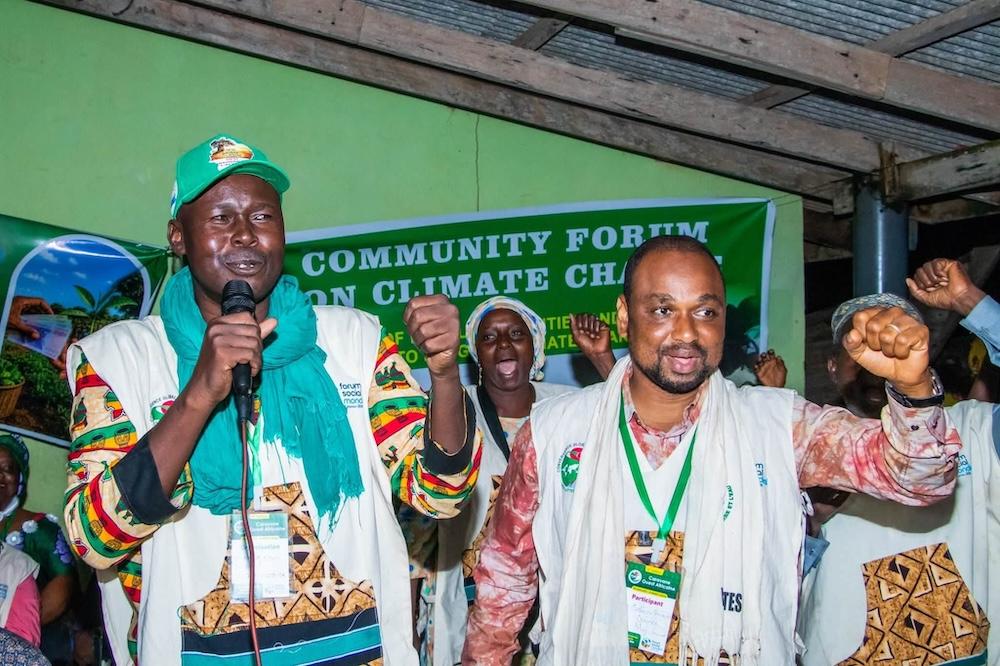
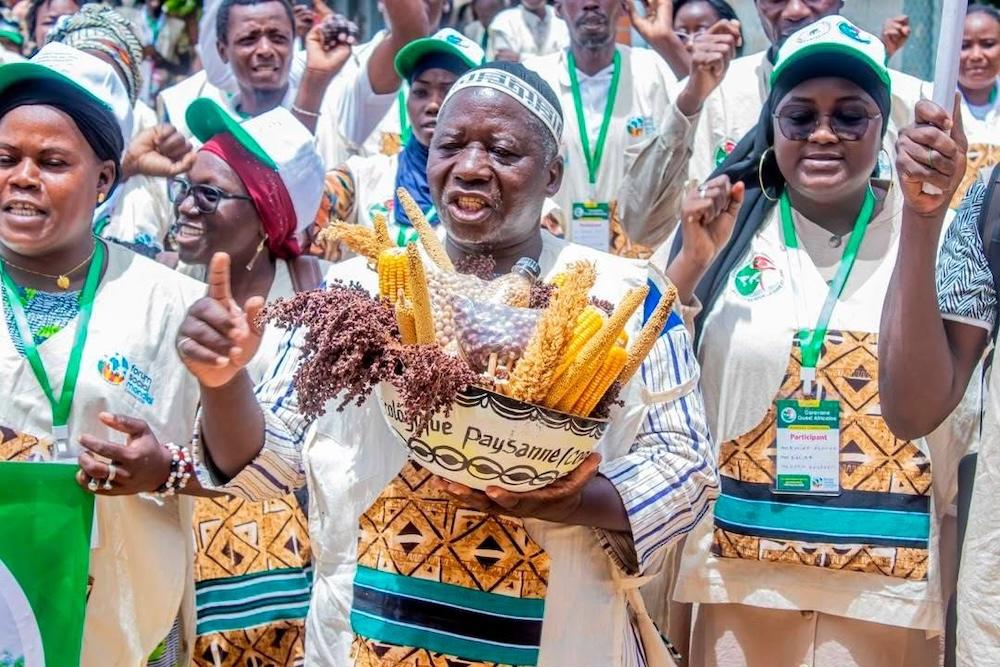
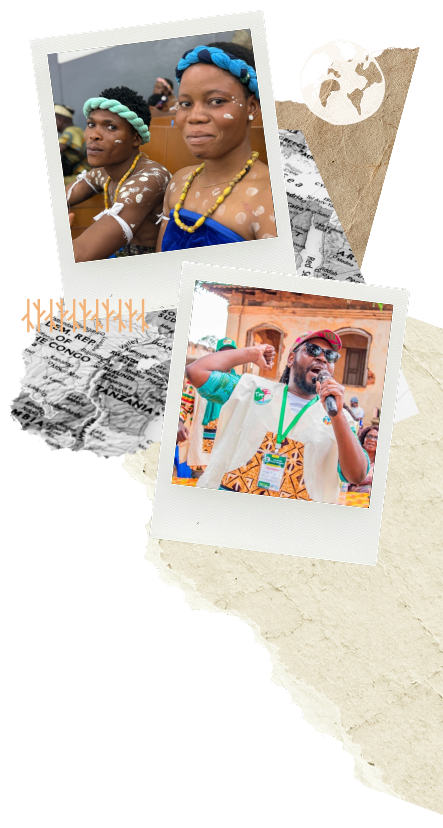
- Four caravans representing 35 nationalities toured West and Central Africa.
- Last-minute ban: Citing “unforeseen circumstances,” the Benin government canceled the World Social Forum and turned people away at the borders. The decision was reversed and movements prevailed.
- 3,000 delegates from 108 countries participated.
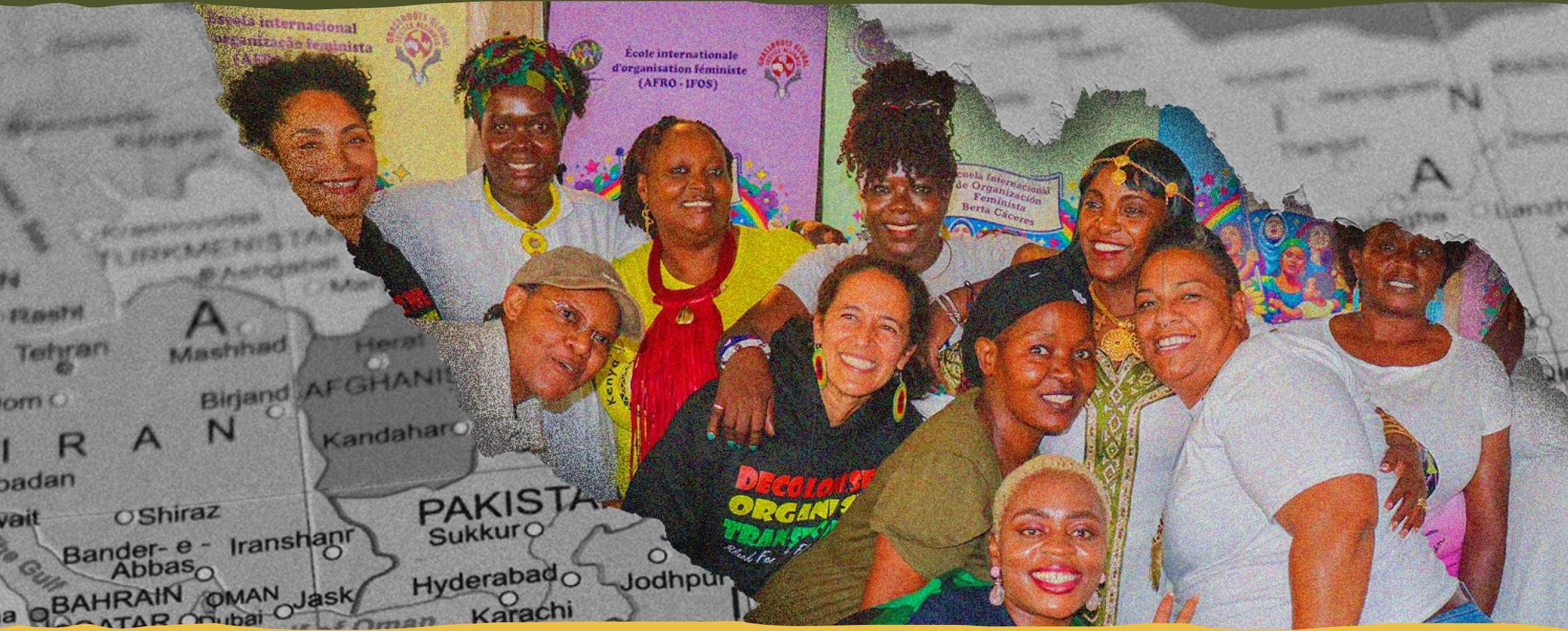
As social movements and frontline communities around the world face increased threats with the global rise of authoritarianism, philanthropy finds itself in the crosshairs, too. The US government and other authoritarian governments are using a host of tactics to discredit, defund, and silence both progressive funders and those they fund, thus shrinking space for civil society and democracy more broadly.
This puts philanthropy at a critical crossroads. Do funders retract inwards, avoid controversy, and protect our assets? Or do we respond with boldness and principle, to help hold the line against attacks on our peers, partners, and ourselves?
We believe that the moment calls us to build solidarity, expand internationalism, and hold fast to our principles – and we offer the framework of solidarity philanthropy as a way forward. As we look to the challenges ahead, we invite you to be part of the living process of articulating solidarity philanthropy and deepening its praxis.


Vision and Strategy
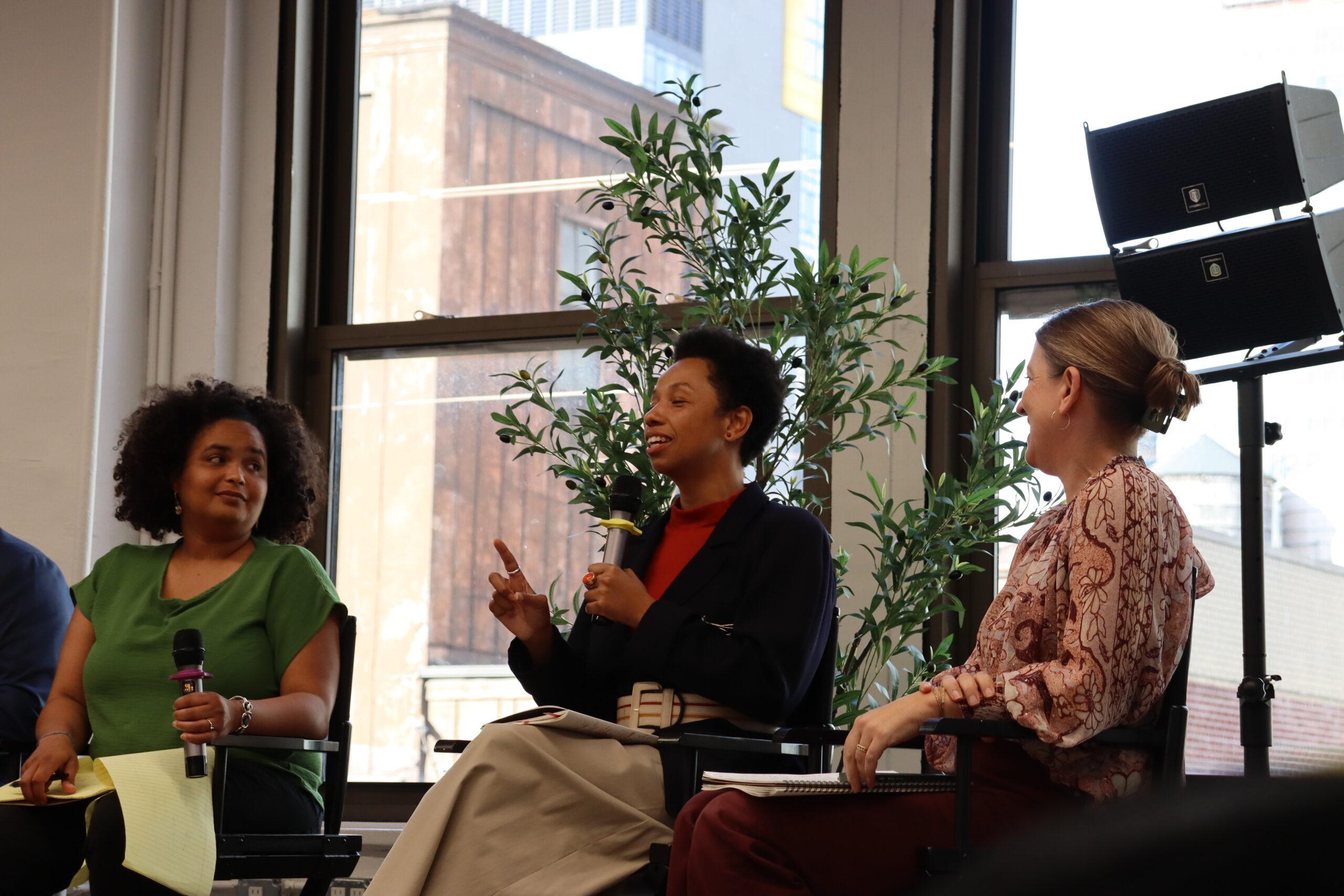
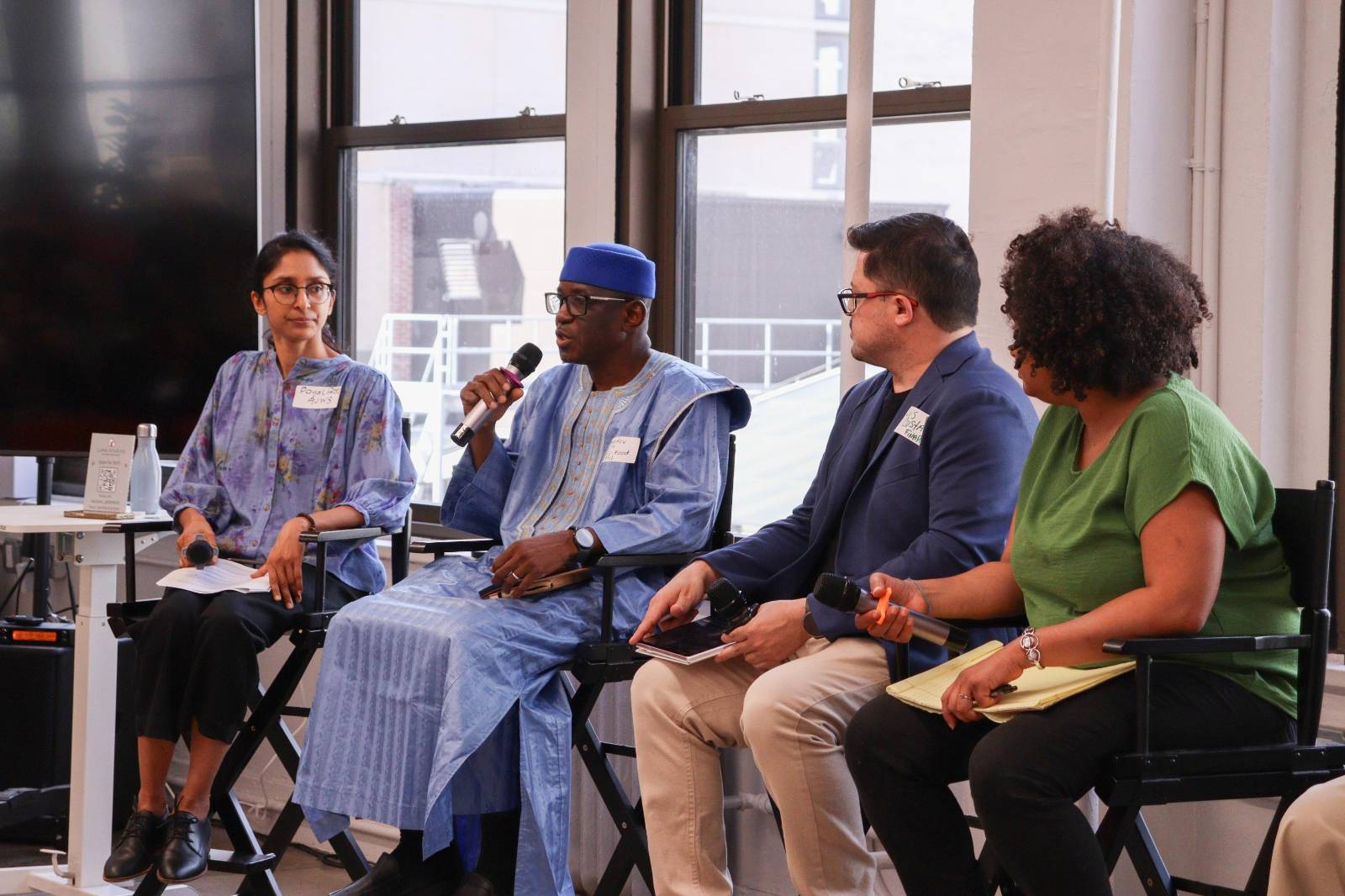
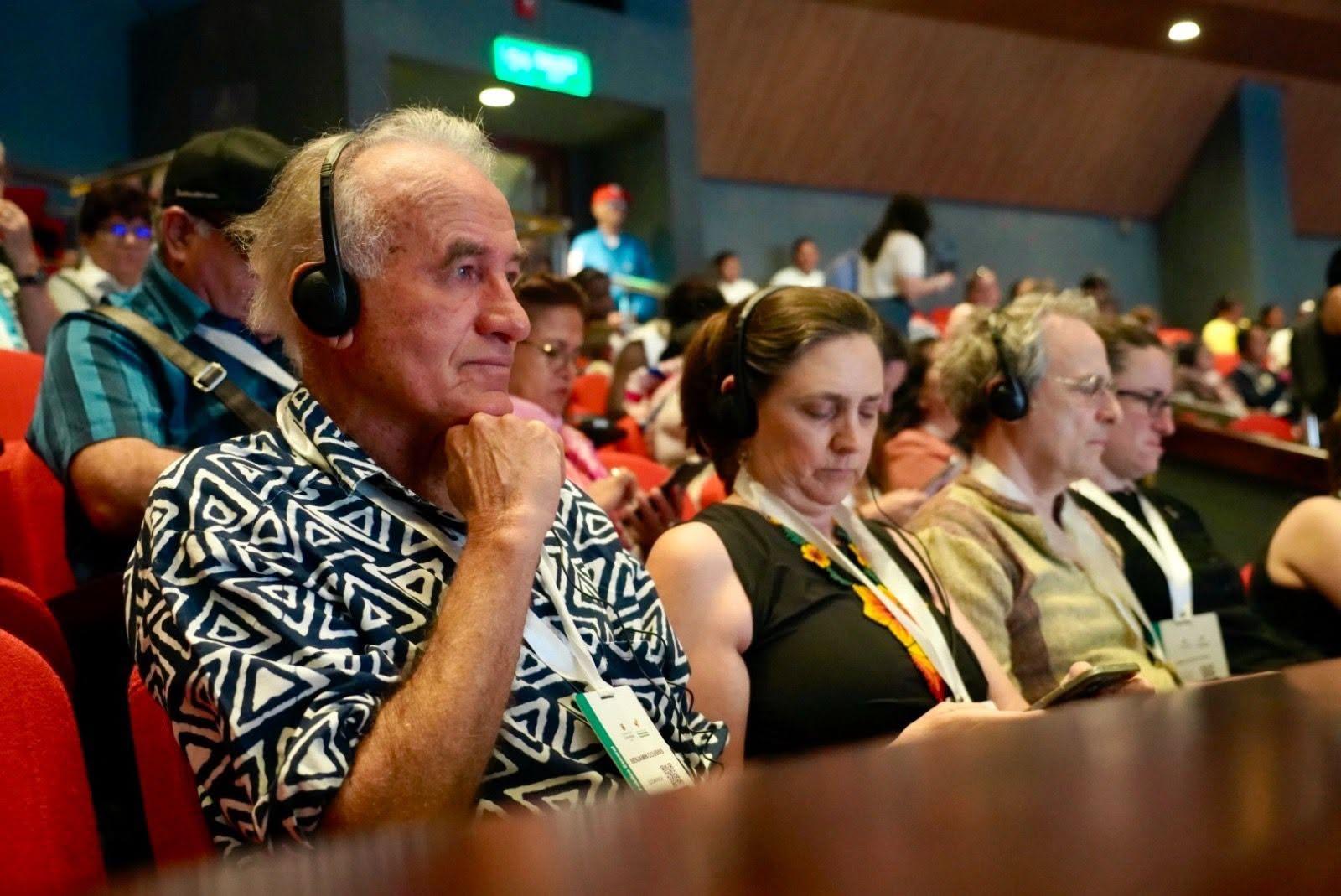
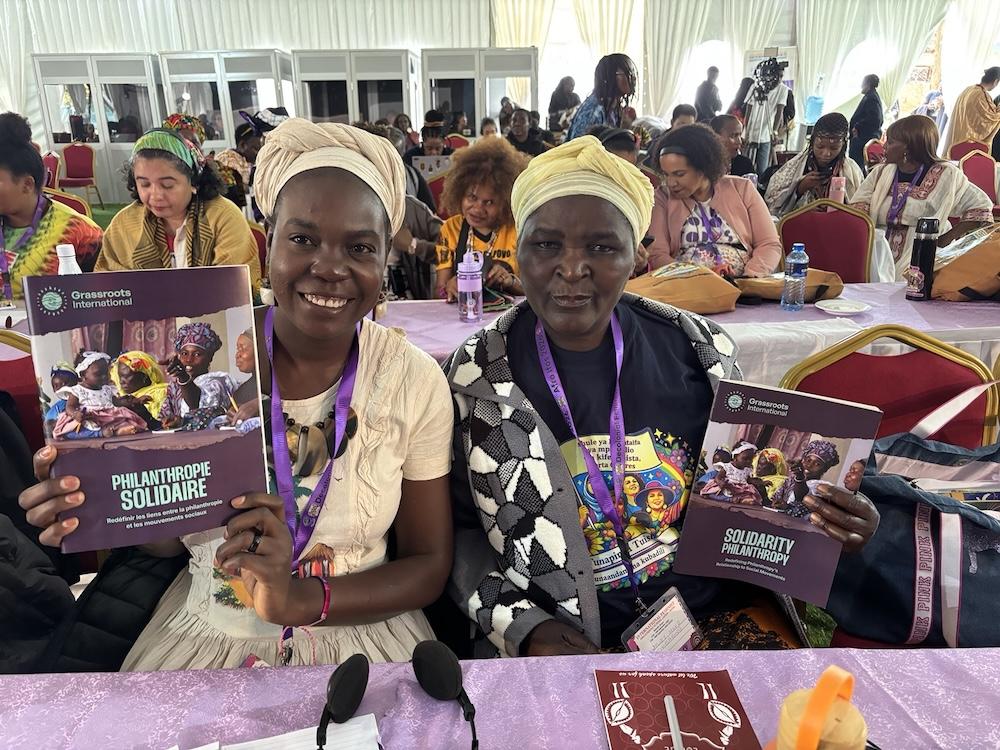
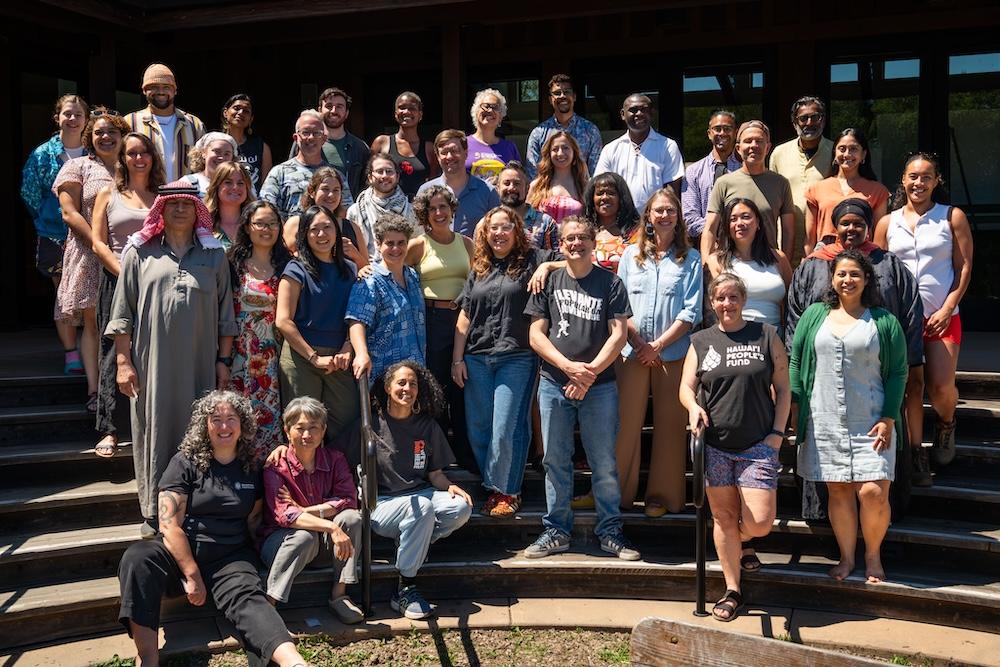
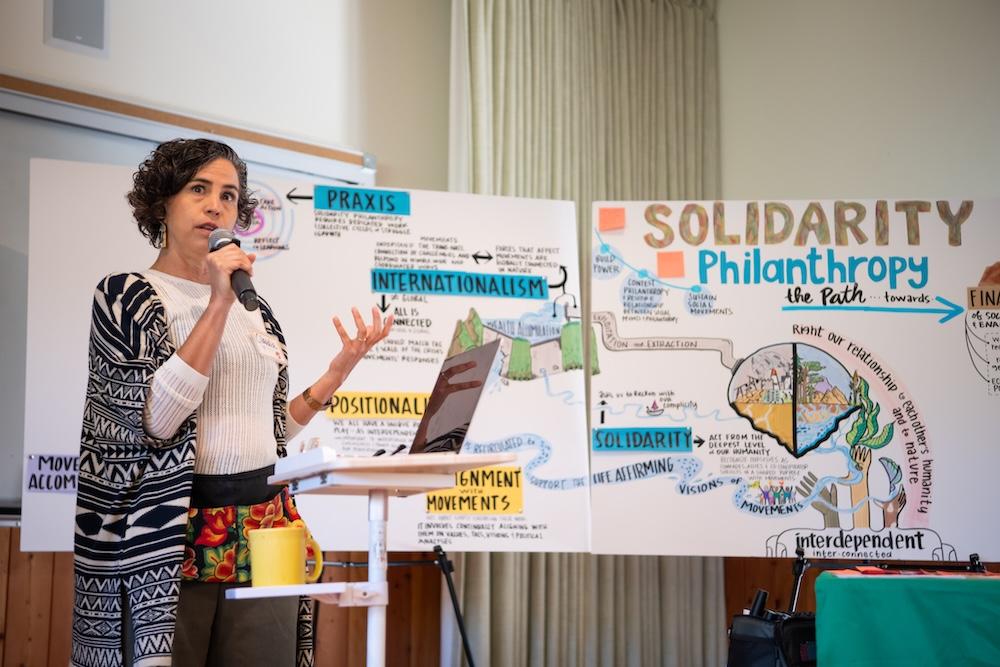
In 2025, we released Solidarity Philanthropy: Redefining Philanthropy’s Relationship to Social Movements. This framework was informed by more than four decades of work and developed in deep dialogue with our movement partners, peers, and donors. A key moment in that process was our first Solidarity Philanthropy Praxis Retreat in Western Massachusetts, where our close allies in philanthropy and movement partners came together to refine the ideas reflected in the document.
Over the year since the framework’s launching, we have been engaging in processes of learning and dialogue in both philanthropic and movement spaces. Within philanthropy, our aim is to reach new audiences in order to build greater collective understanding around social movements and their visions. And with our movement partners, our aim is to support them in sharpening their understanding of philanthropy and their strategies of engagement.
These interconnected strategies are guided by a vision where movements are well resourced and funders respect and protect their autonomy.
Deepening the Praxis
Over the past year, we have deepened our praxis of solidarity philanthropy in a variety of ways. Highlights include:
- At our second Solidarity Philanthropy Praxis Retreat, 30+ leaders from philanthropy and social movements came together to further articulate shared visions and strategies. We launched the beta version of our Solidarity Philanthropy Toolkit, which we are continuing to refine through the feedback we have received and are excited to share soon.
- Through the Martín-Baró Giving Circle and our delegation to Guatemala, we are exploring the intersections of healing, wellbeing, and liberation work together with donors and movement partners and have been raising funds to strengthen these efforts.
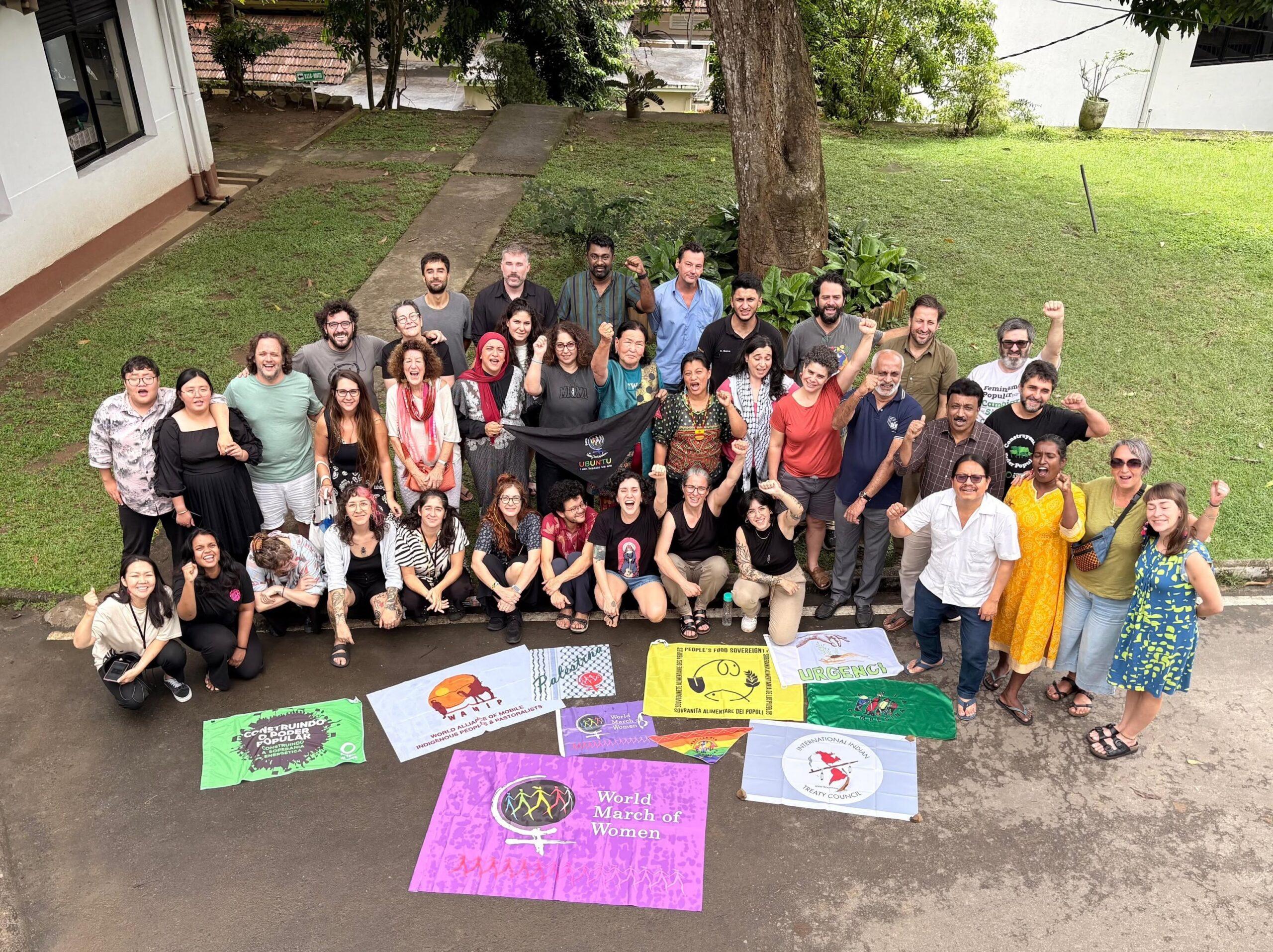
- Following last year’s 3rd Nyéléni Global Forum on food sovereignty, in close coordination with the social movements steering the Nyéléni process, we organized the Nyéléni Funders Circle to support and accompany the social movement process. We recently returned from meetings in Sri Lanka where we discussed next steps in implementing the Common Political Action Agenda of Nyéléni as a collective roadmap forward toward systemic transformation.
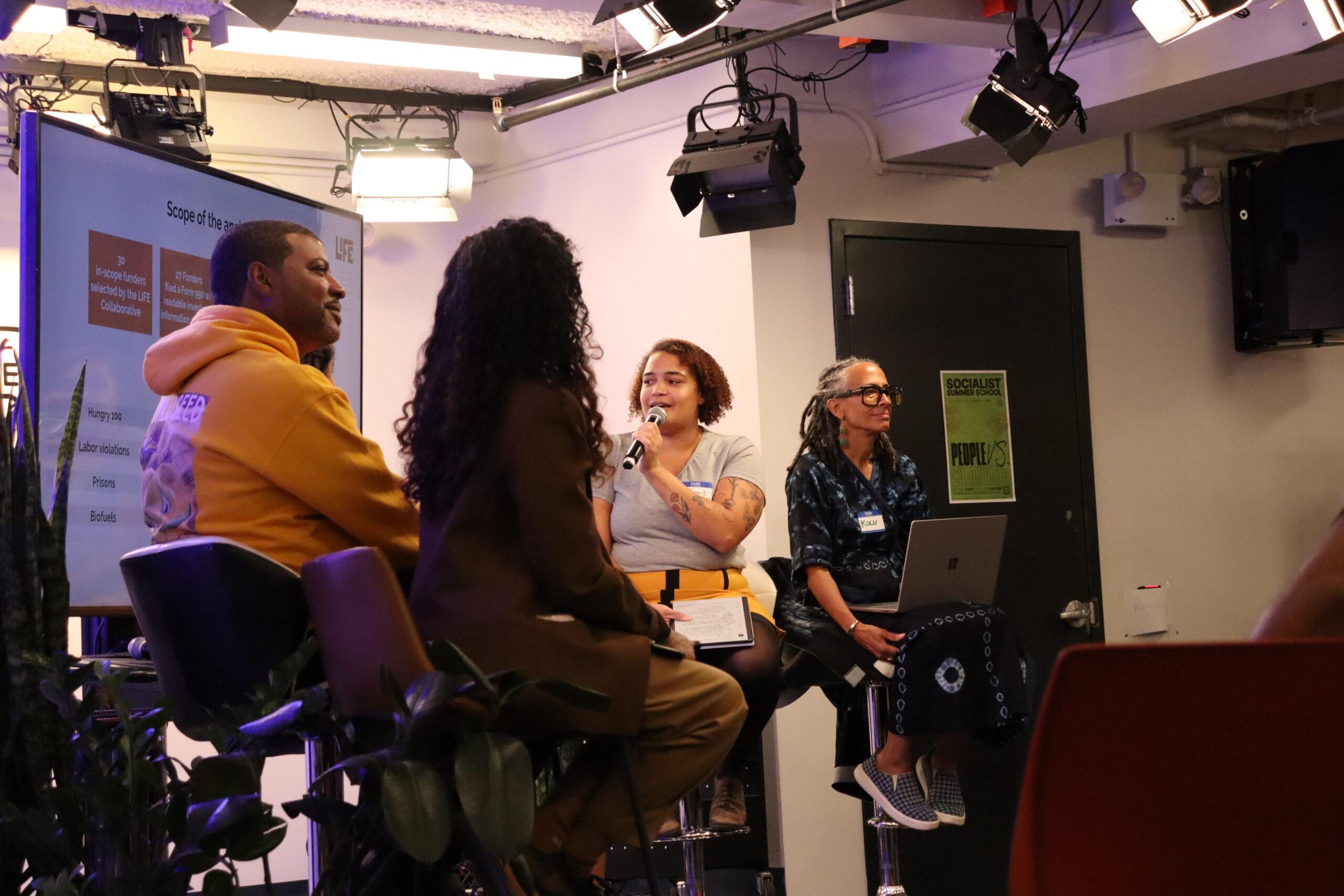
- In philanthropy, we are organizing with our peers to transform the sector from within. At NYC Climate week in September, we celebrated the 10-year anniversary of the CLIMA Fund, which has helped mobilize millions of dollars to movements on the front lines of climate justice struggles, and together with fellow CLIMA members, launched a new initiative on climate justice and democracy.
- We have also engaged in Funders for Demilitarization in partnership with Grassroots Global Justice Alliance, MADRE, and Peace Development Fund. This effort seeks to 1) increase philanthropic resources for work to confront U.S. militarism and 2) strengthen engagement between funders and grassroots movements to advance alternatives rooted in community safety, human rights, peace, and justice.
Looking Ahead
The receptivity with which the solidarity philanthropy framework has been embraced thus far tells us that its message is resonating within the sector and beyond. But getting the framework out there into the world is in many ways just the start of a much longer journey ahead.
How do we ensure that this remains a living framework, continually informed and refined in praxis with movements and others in philanthropy? This question gets to the heart of one of the learning processes that Grassroots International is currently undertaking as an integral part of our work on solidarity philanthropy.
This process involves moving away from limited notions of “impact” to ensure that how we understand, measure, and report on the work is reflective of our values. In doing so, we hope to contribute to the broader philanthropic sector’s understanding of what it means to rethink impact in solidarity with social movements. Our goal is to support funders and social movements in learning together about how our actions create purposeful change – and to feed these learnings back into our shared praxis.
2026 was marked by extraordinary challenges. But across the globe social movements met the year with bold and powerful action.
In the face of rising authoritarianism, genocide, climate chaos, and more, our movement partners and allies have not wavered. Together, they have redoubled their efforts, building unity and power. Read below about the work Grassroots International has been honored to accompany.
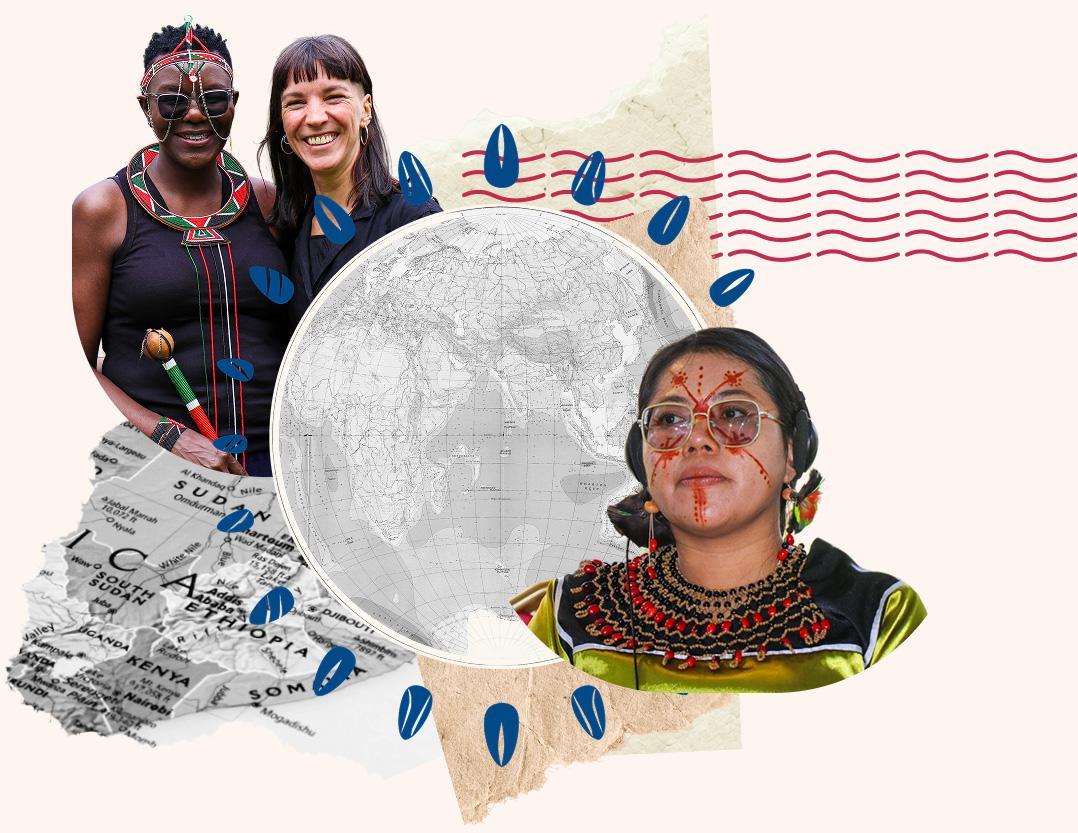




Grassroots International work is first and foremost about relationships: the decades of accompanying social movements; the deep conversations with donors and funders; the strategic planning with allies.
We’re grateful for each and every relationship we have with our wonderful donors, funders, movement partners, and allies. Hear voices from this community and consider joining us.
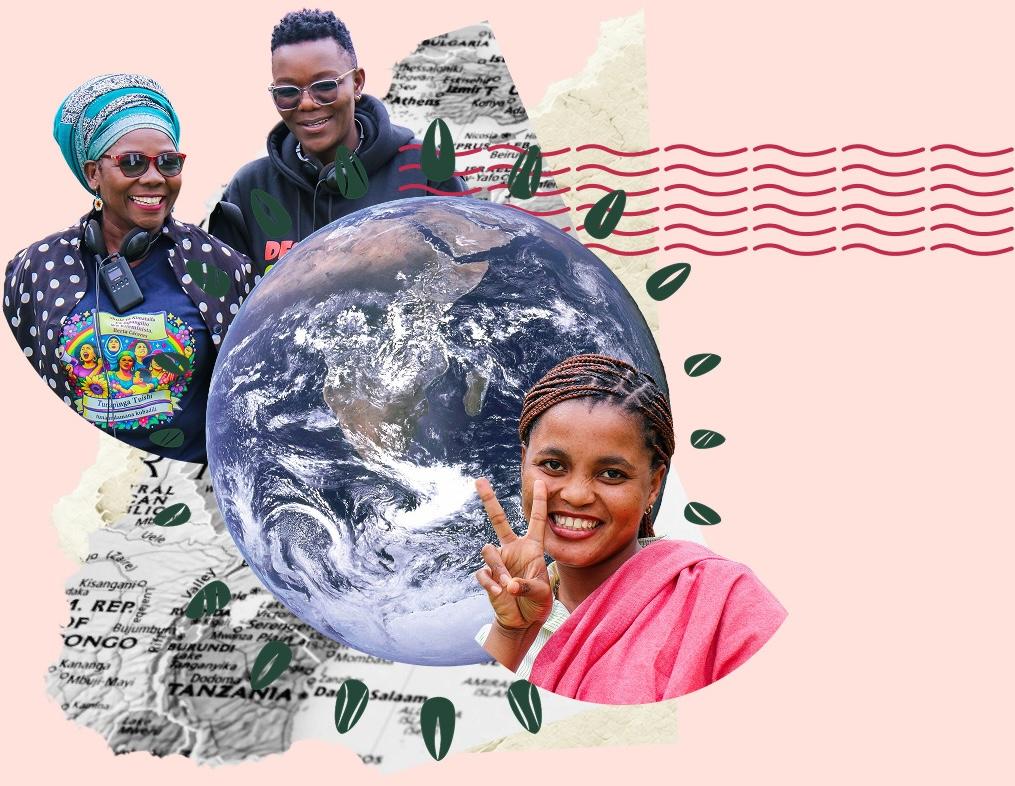


“How are you willing to be transformed in service of the movement? …Solidarity philanthropy has given me back my humanity, in many ways.”
“Solidarity philanthropy provides a space for us…to have a clear understanding of each other’s work, to find common ground, and to work together.”
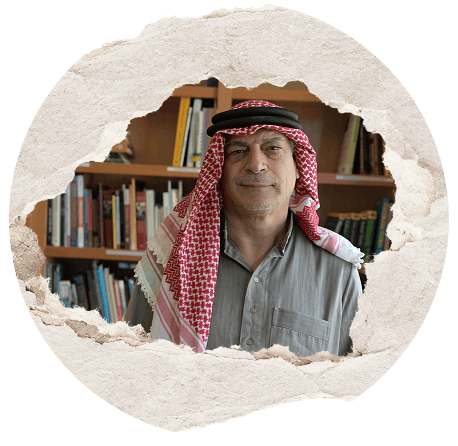
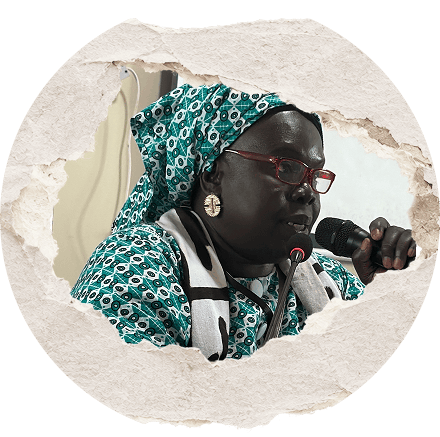
“We must play our part in boosting the development of our communities, regions, and countries in order to move toward the sovereignty that we seek for Africa.”
“What’s keeping me going in the work these days is all the aspects of community…There’s not this transactional nature. This is part of building a community together.”


“I’m particularly grateful to Grassroots International for the constant invitation for us to show up with curiosity.”
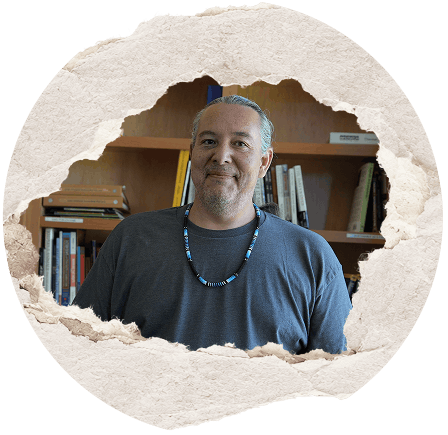
“Fear Divides, Movements Rise.” We gave this year’s annual report that title for a reason. Fear is an understandable response to the evermore dangerous rise of authoritarianism. But when we organize together, we can defeat that fear, defend our communities, and build a better world.
There is so much work to be done. We invite you to get involved with Grassroots International, and join us as we accompany global social movements. It’s not to replace the work you may be doing already in your local community, but to bolster and link it to bigger, broader, systemic change.
Authoritarianism has gone global. Learning from and accompanying global social movements is key for pushing it back.

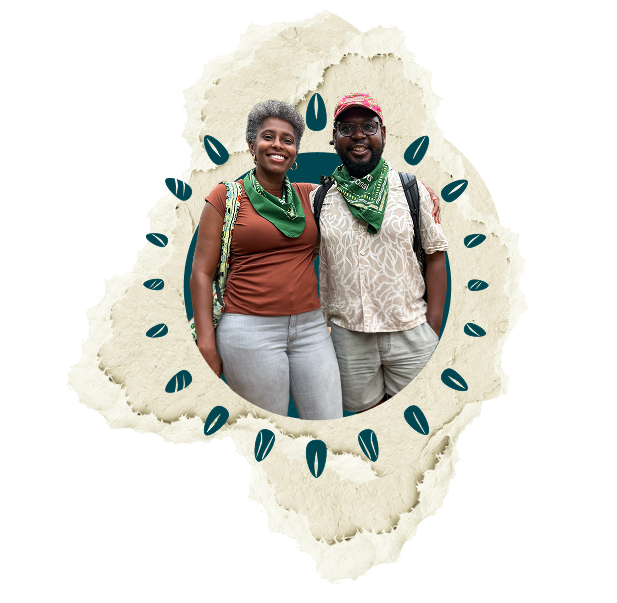
Support our work
Accompanying social movements includes making sure they have the resources to continue defending their communities and making change.
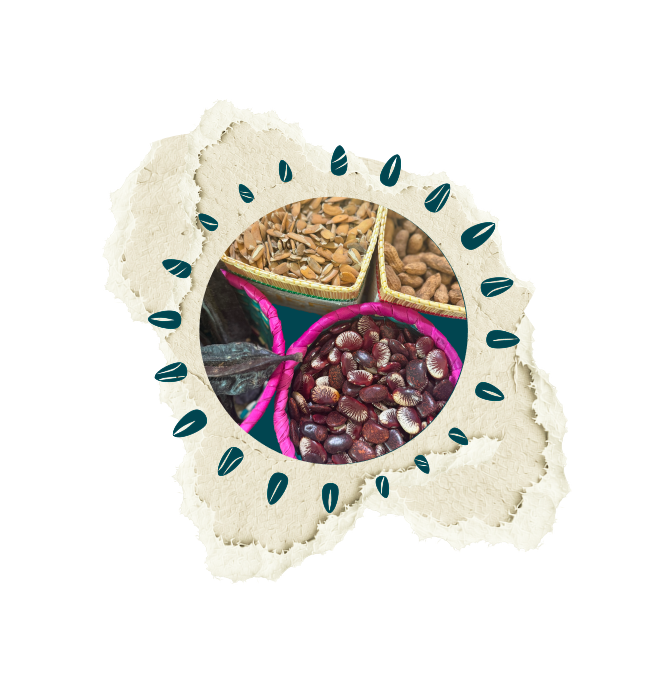
Get connected
There are all sorts of ways to be involved, whether as a donor, funder, or grassroots supporter. Sign up to join our activities in 2027.