Big Changes, but Unchanging Commitment, in West Africa
Earlier this year, members of our Program team visited our partners in Senegal and Mali. Over the course of two weeks we visited and learned from social movements at the forefront of responding to attacks on rural communities and the lands and waters they inhabit.
West Africa, particularly the Sahel, has gone through profound changes in recent years. Mali, Burkina Faso, and Niger are taking sweeping actions on the state level in an attempt to erode French imperialism’s historic hold in the region. Earlier this year, following years of popular protest, Senegal elected a new government led by a former political detainee. Like a series of earthquakes, these events have shaken the terrain that our partners are organizing in — opening up both new opportunities and new complications.
Yet some dynamics remain constant. Just like after the official “independence” much of Africa achieved in the mid-20th century, military and economic domination by major world powers and its corporations has continued, often with collaboration from local elites. With this comes continued attempts to extract the Sahel’s wealth: whether its lands, its farming capacity, its waters, or its other natural resources. Organizers across the region who stand up to defend nature, their livelihoods, and their sovereignty face violent threats.
Each of our movement partners are navigating these new and complex dynamics by leveraging strengths they have built over years: their capacities to mobilize and their sharp political clarity. Africa in general and West Africa in particular have never wholly accepted their domination with bowed heads. The region has always been home to resistance and struggles for liberation. And today that history is carried forward by our partners.
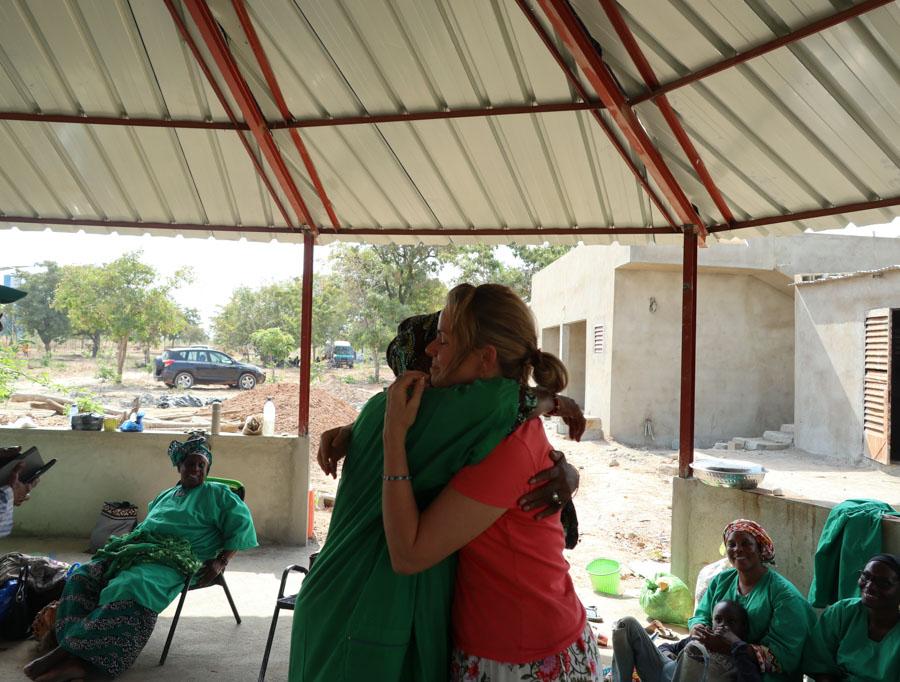
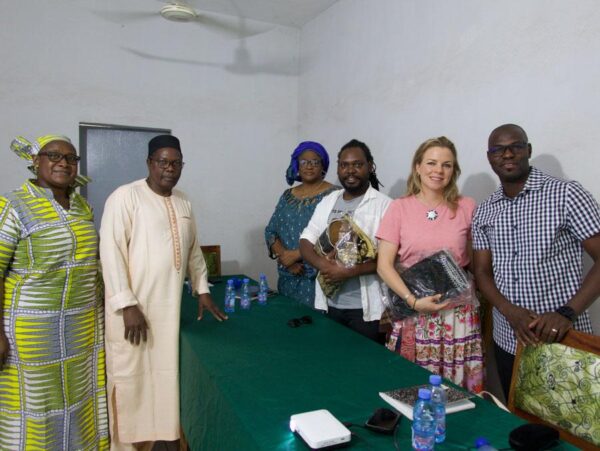
Program trips like this one are a regular part of our movement accompaniment work. Beyond financial support, our partnerships with social movements are based on earned trust and close strategic coordination. On our visit, we were able to listen deeply, witness our partners’ collective power first hand, and learn how to more effectively stand in solidarity.
Grassroots Feminisms to Transform
The leadership of women and youth in West Africa is one of the key focuses for our accompaniment. Amid the diversity of our partners, they often share a lot in how they orient their work in the region: organizing at the intersections of patriarchy, empire, and wealth extraction.
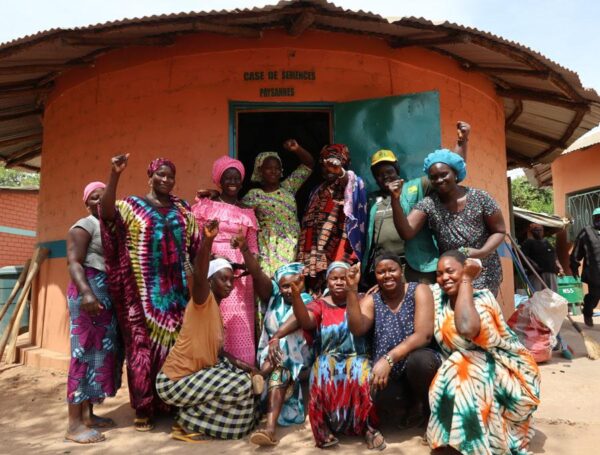
As one expression of this work, our partners are creating autonomous rural women’s spaces or caucuses. In Mali, peasant and rural women organize for their interests as part of the broader feminist network Coordination des Associations et ONG Féminines du Mali (Coordination of Women’s Associations and NGOs of Mali, CAFO). They engage in cooperative food production, processing, and sales to support women small-scale farmers’ autonomy and financial independence.


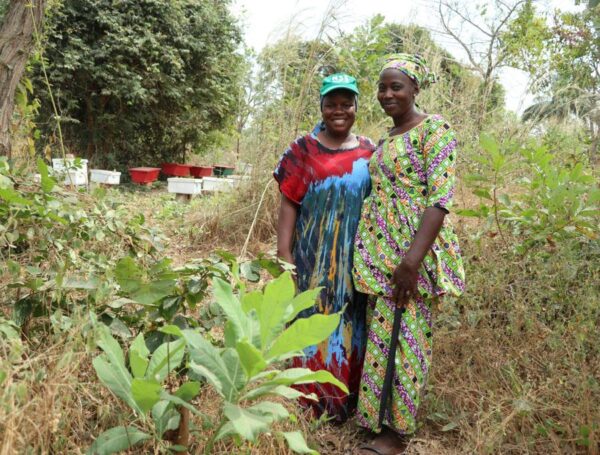
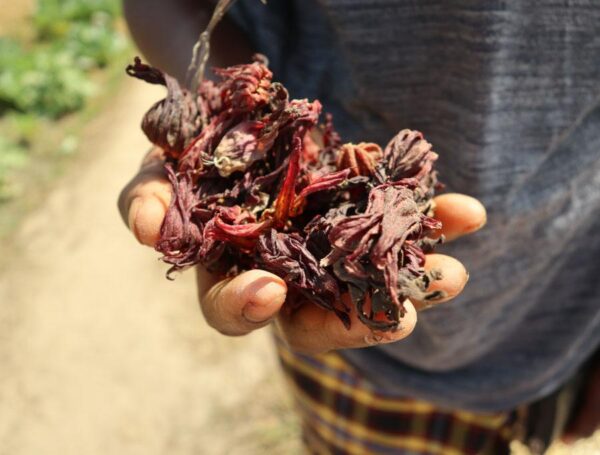
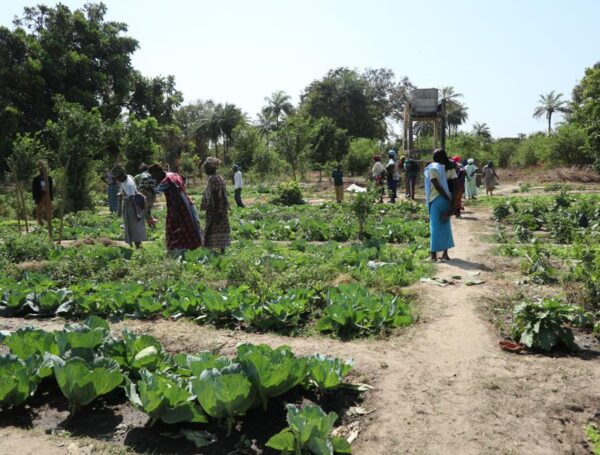
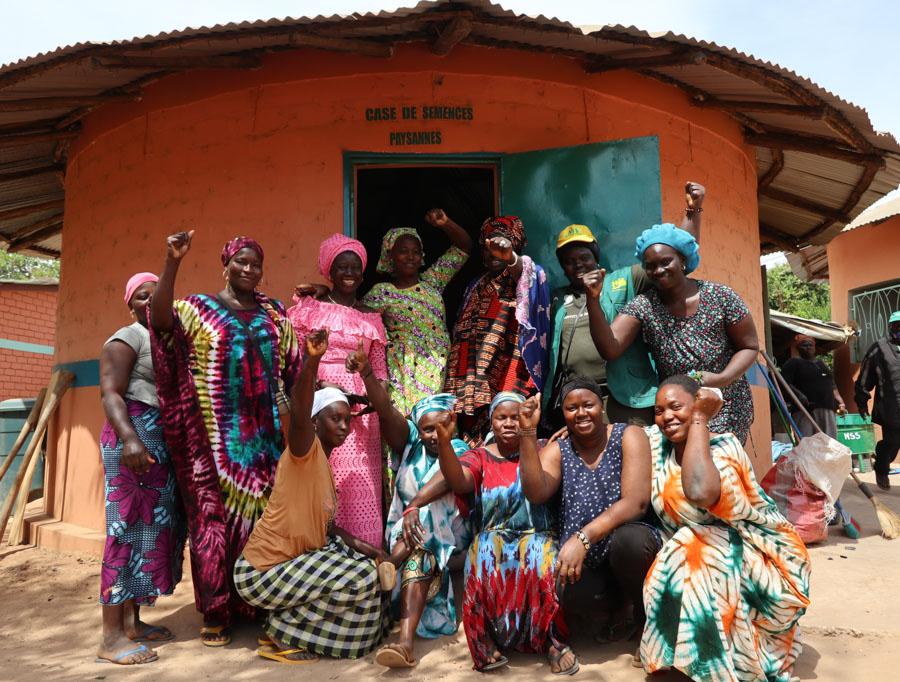
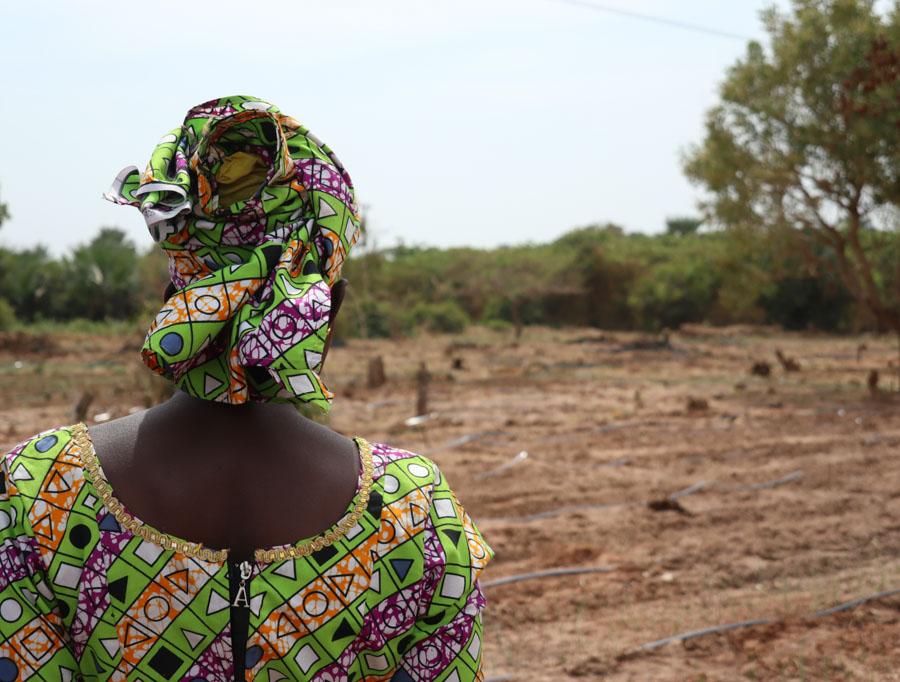

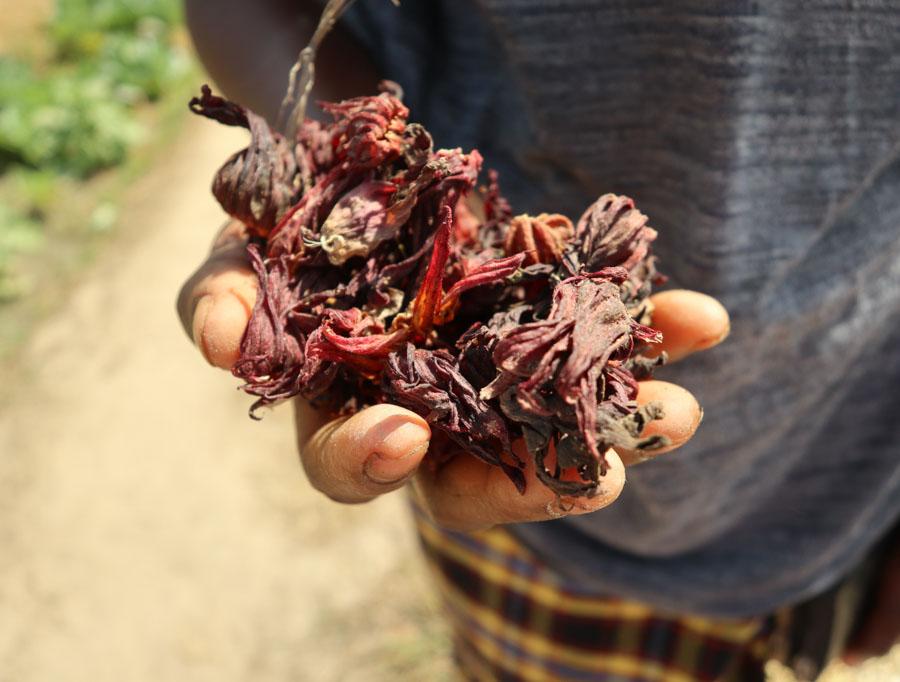
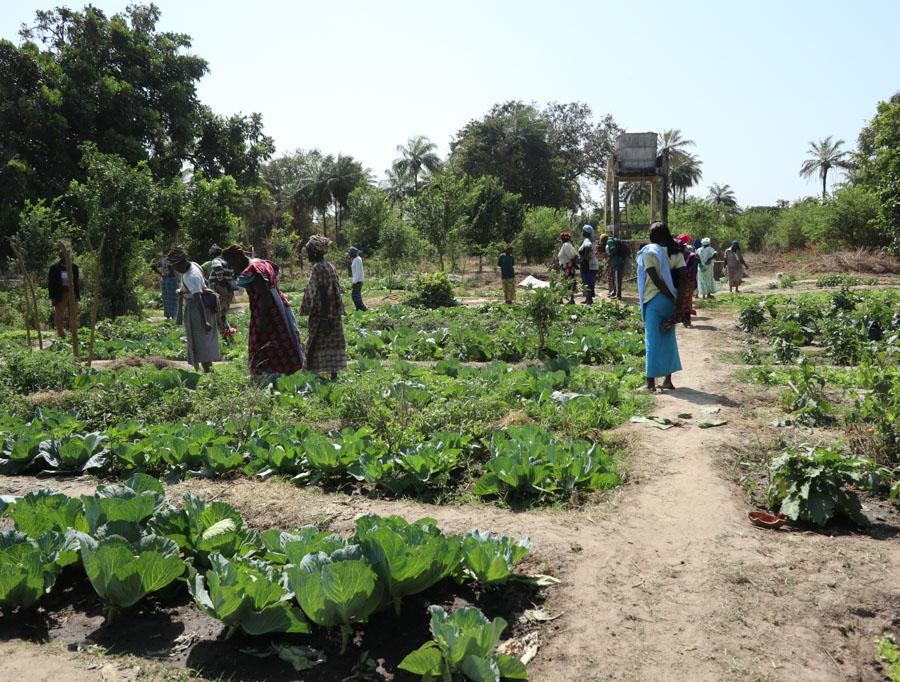
In Senegal, we witnessed the work of the Association des Jeunes Agriculteurs de Casamance (Casamance Agricultural Youth Association, AJAC-Lukaal) at its Karonghèn Wati Nanning training center. Women get hands-on training in agroecological farming and are playing a key role in restoring the region’s mangroves — a critical ecosystem for local fisheries and climate resilience.

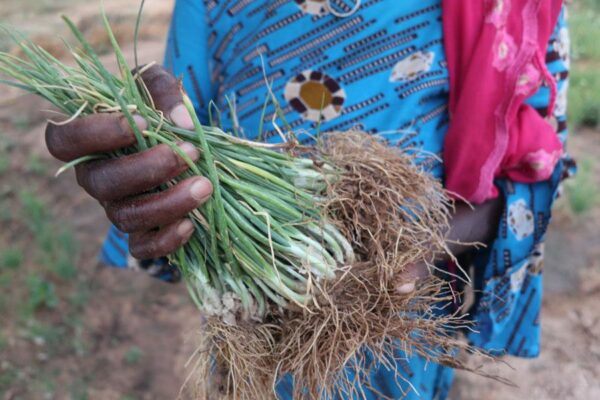


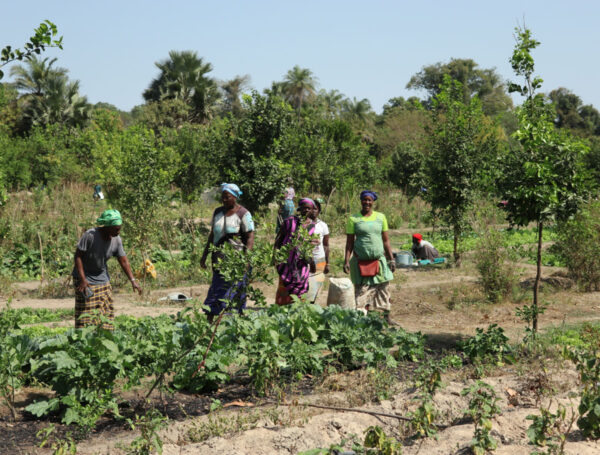


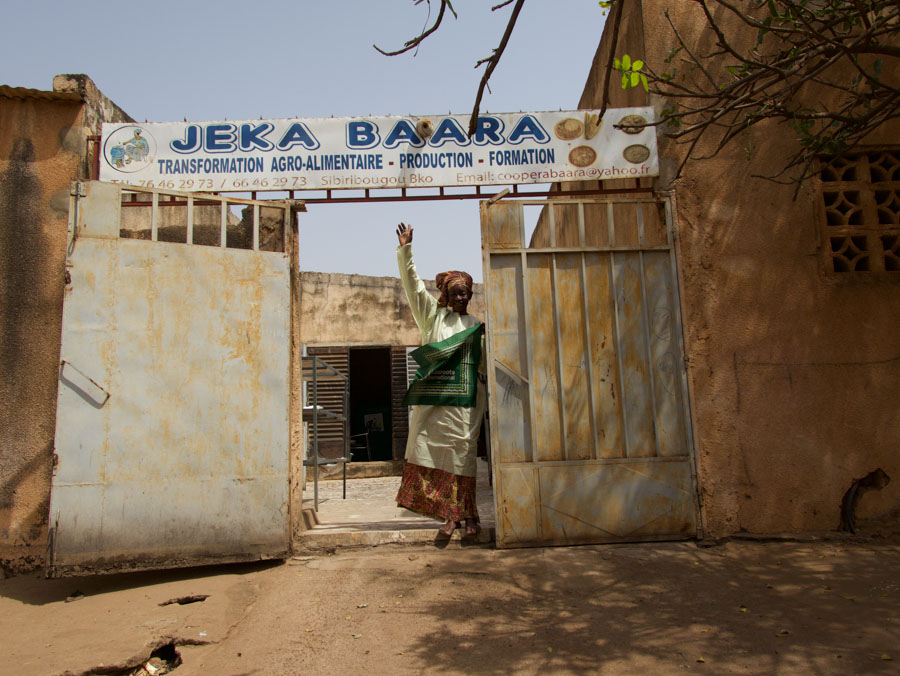

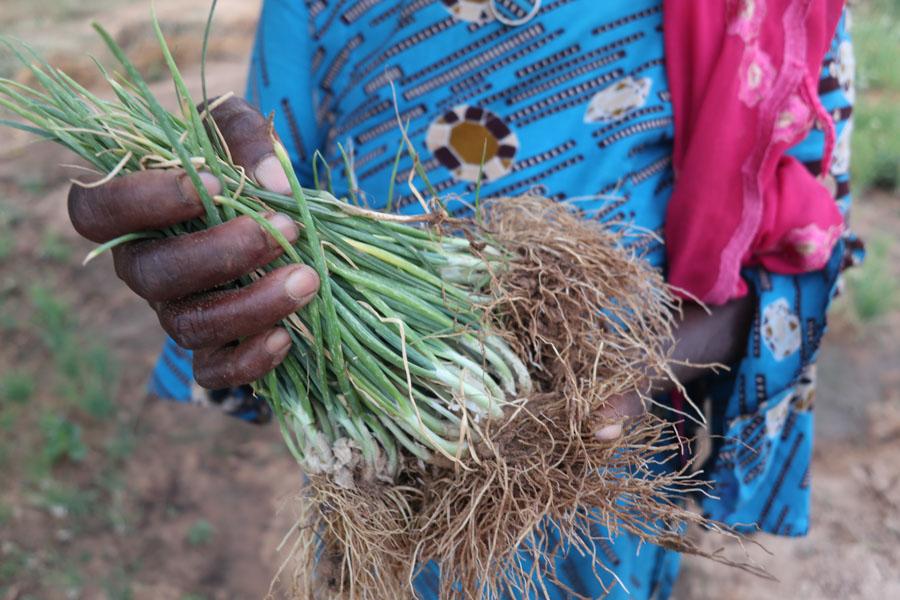
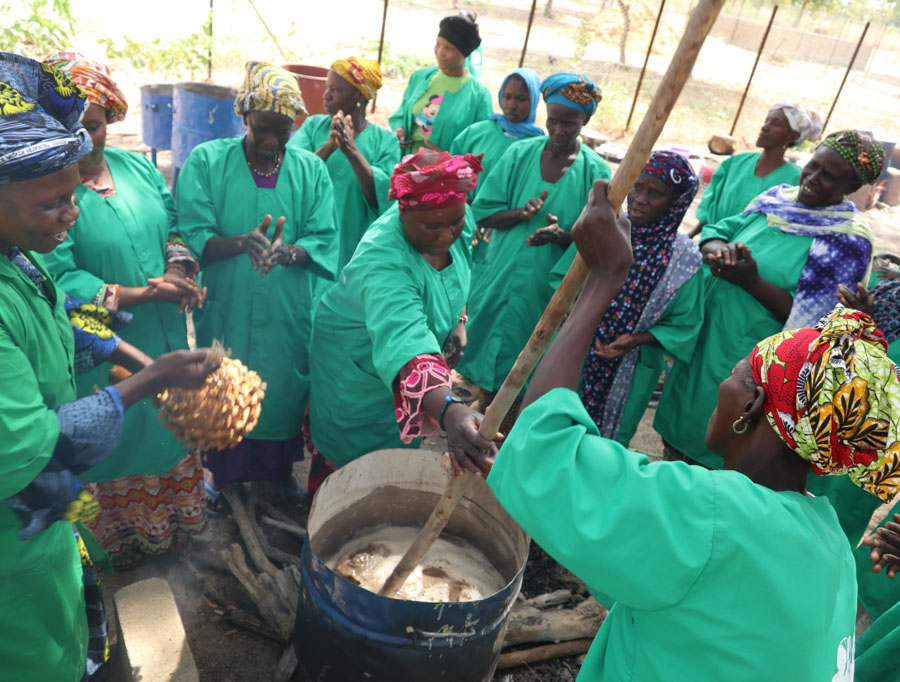
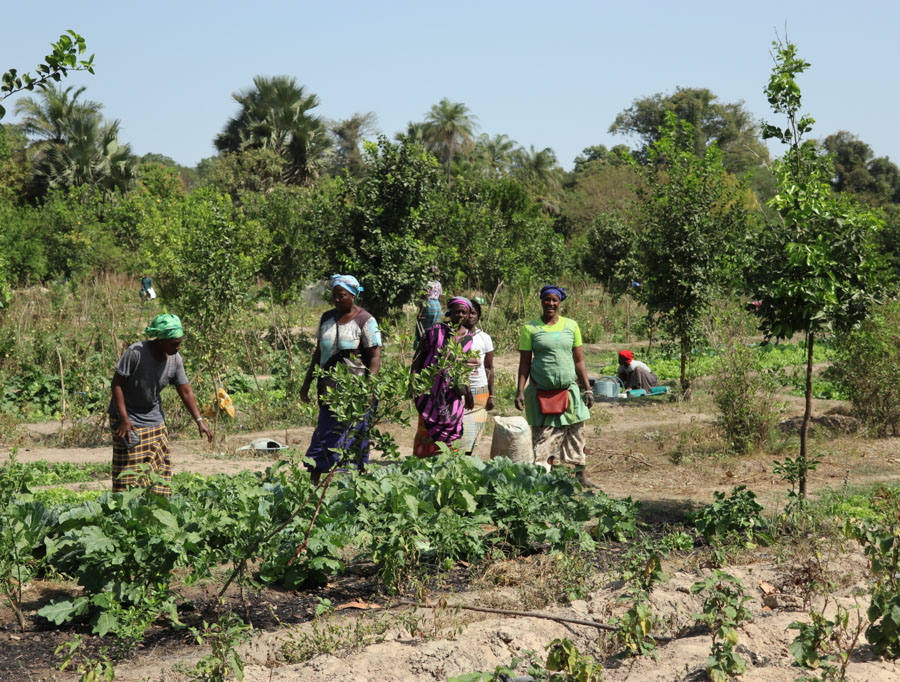
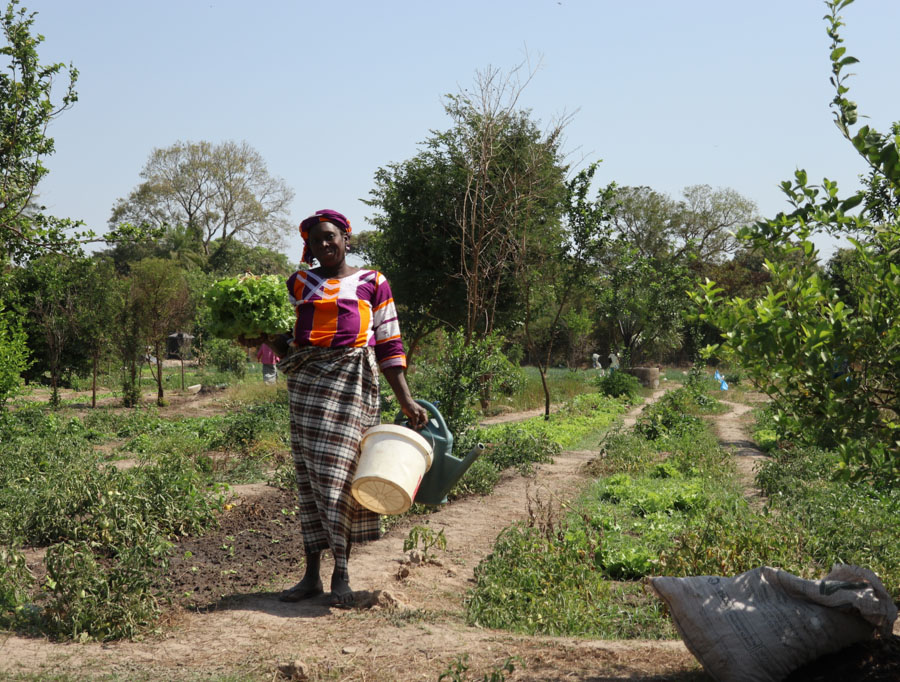
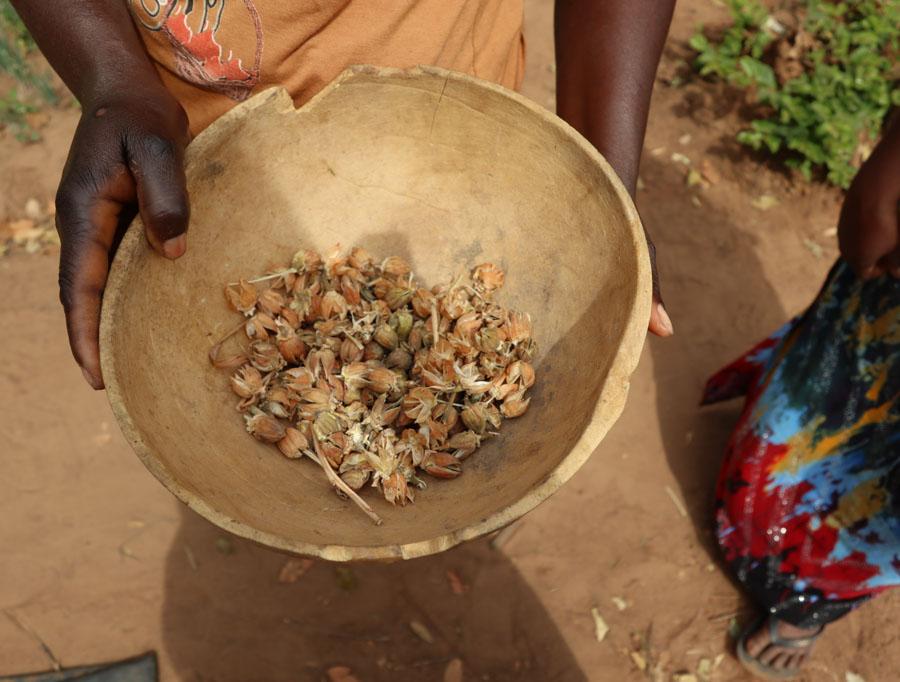
Nous Sommes la Solution (We Are the Solution, NSS) plays a key role in peasant and rural feminism in eight countries across the region. Women’s small-scale food production is under threat from land, water and seed grabs; the climate crisis; and sexism. NSS’s work enables women to reclaim control over land, seeds, and food production. It supports women’s leadership in transforming their communities and the systems that oppress them.
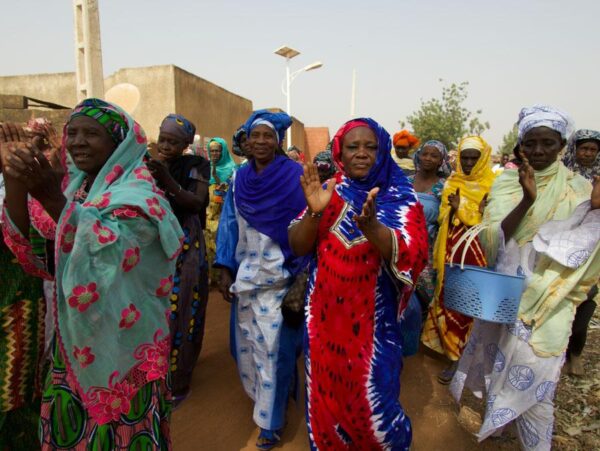
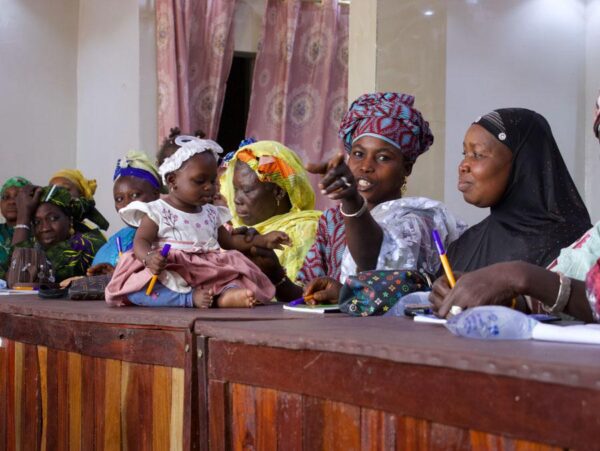
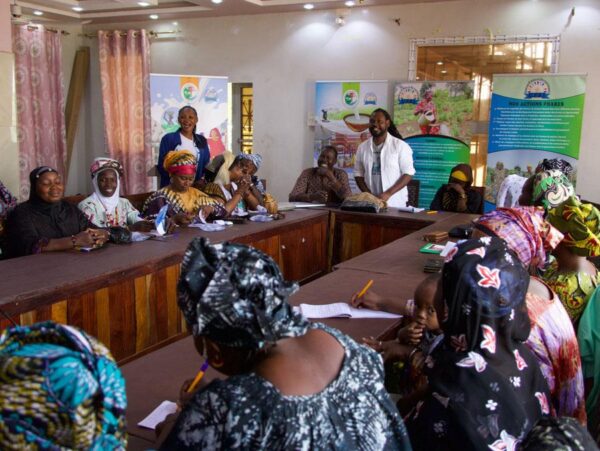
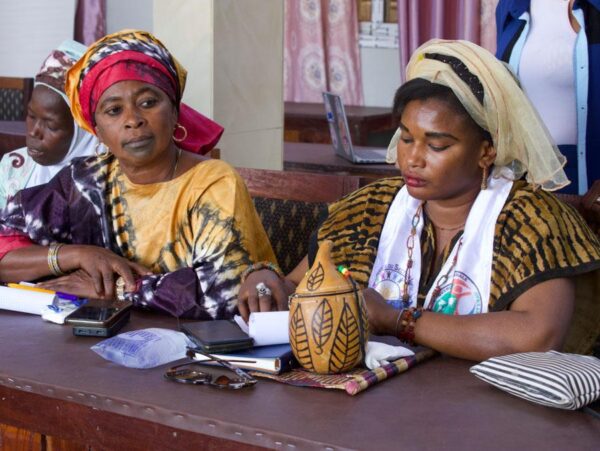
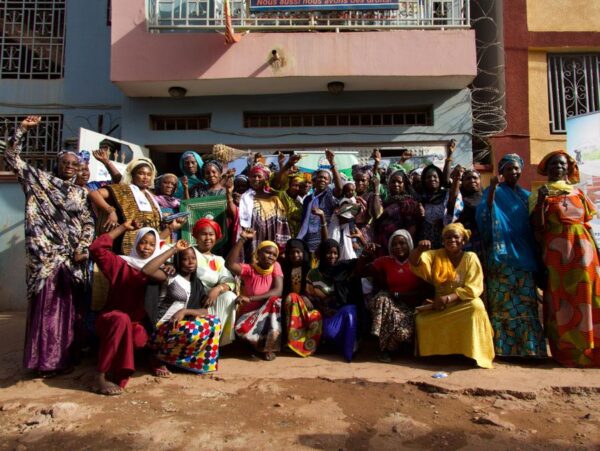
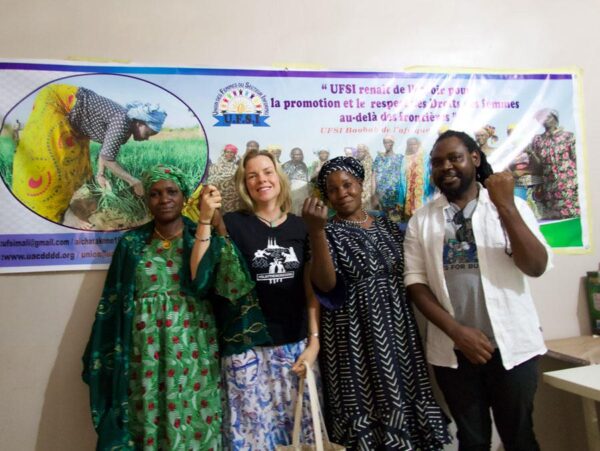


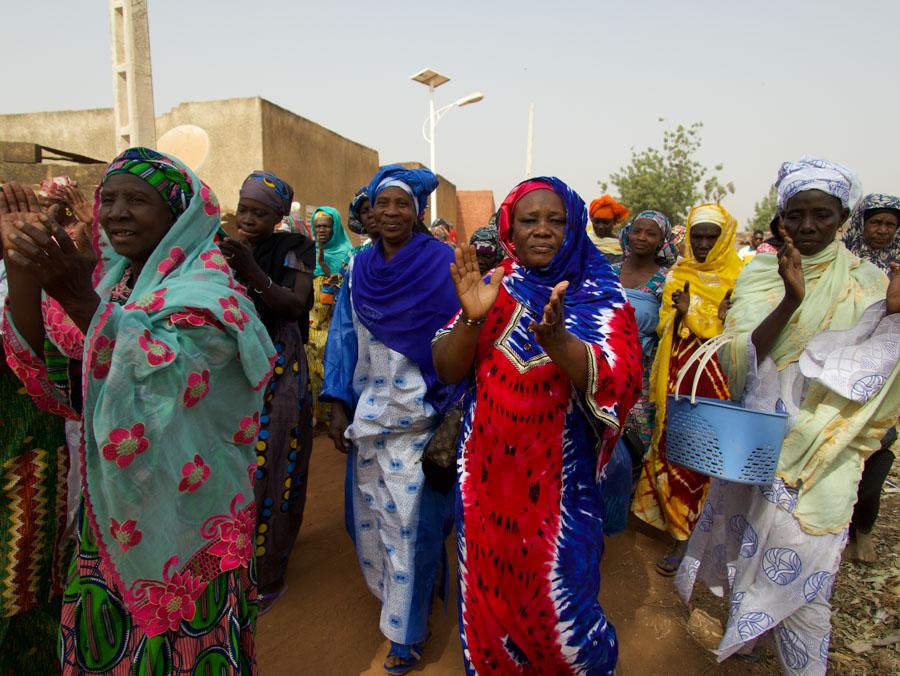
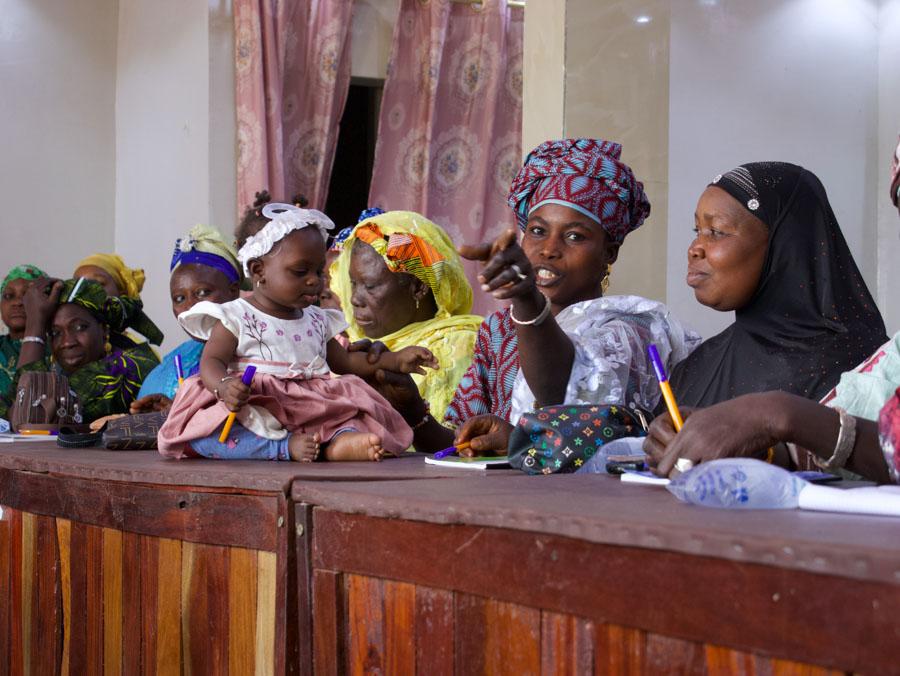
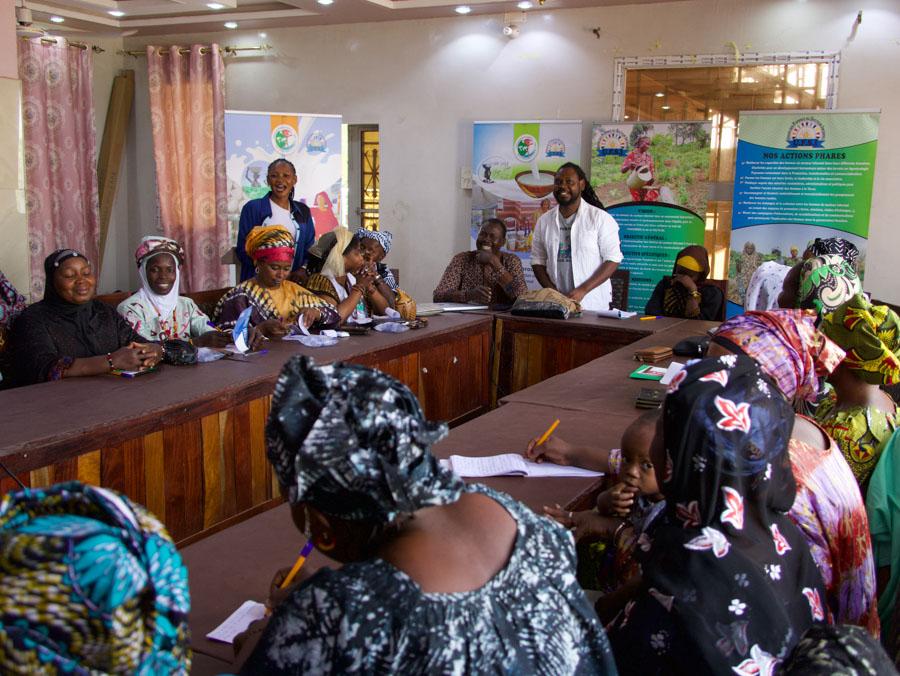
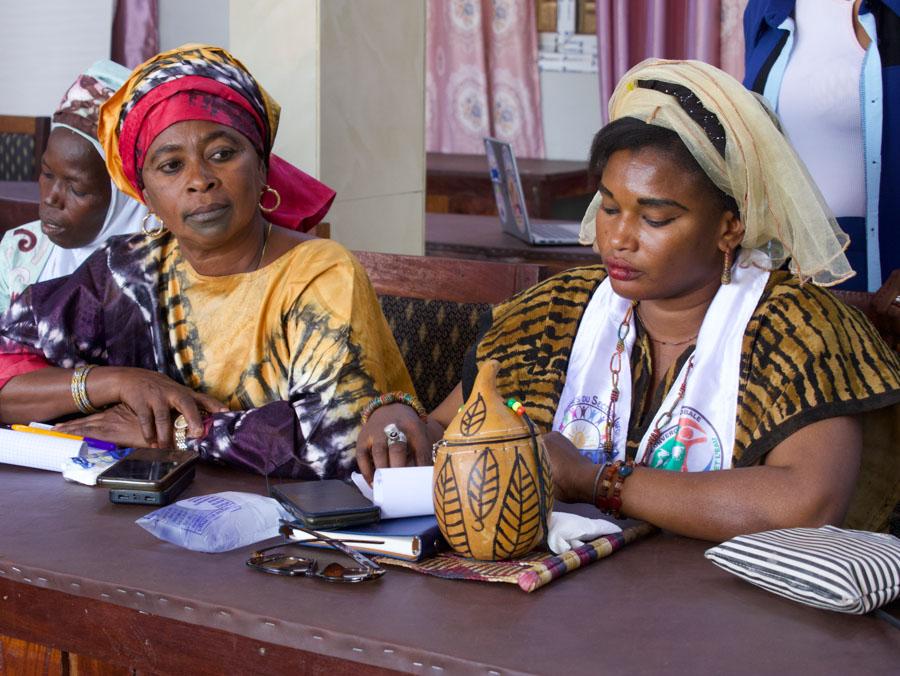
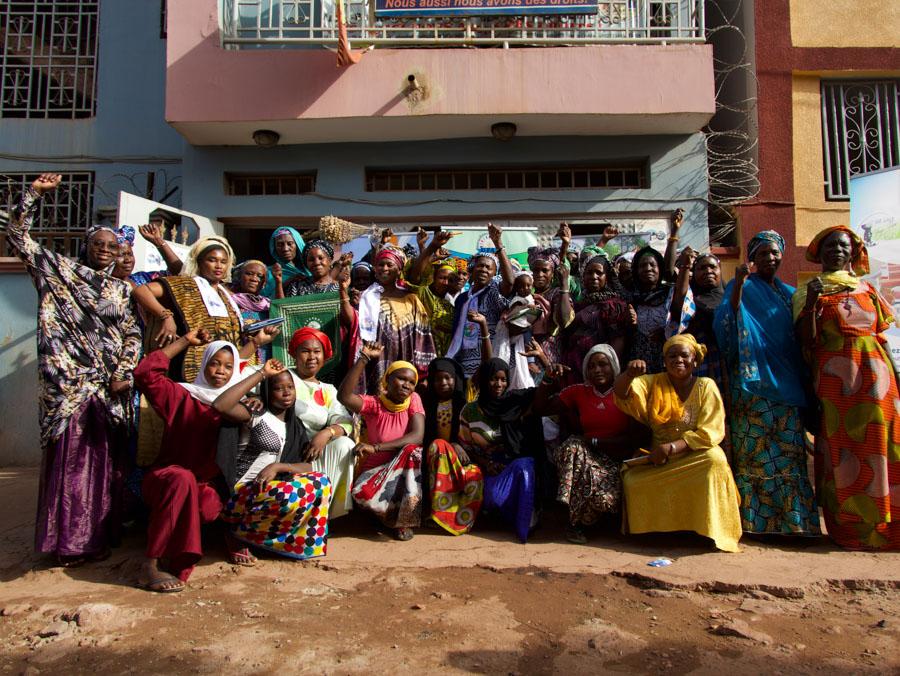

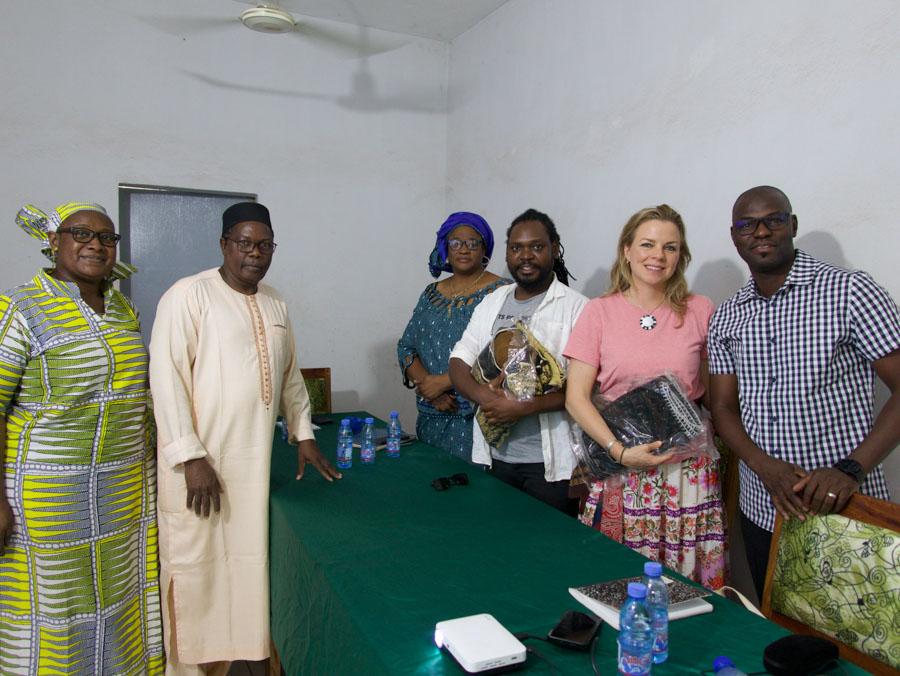
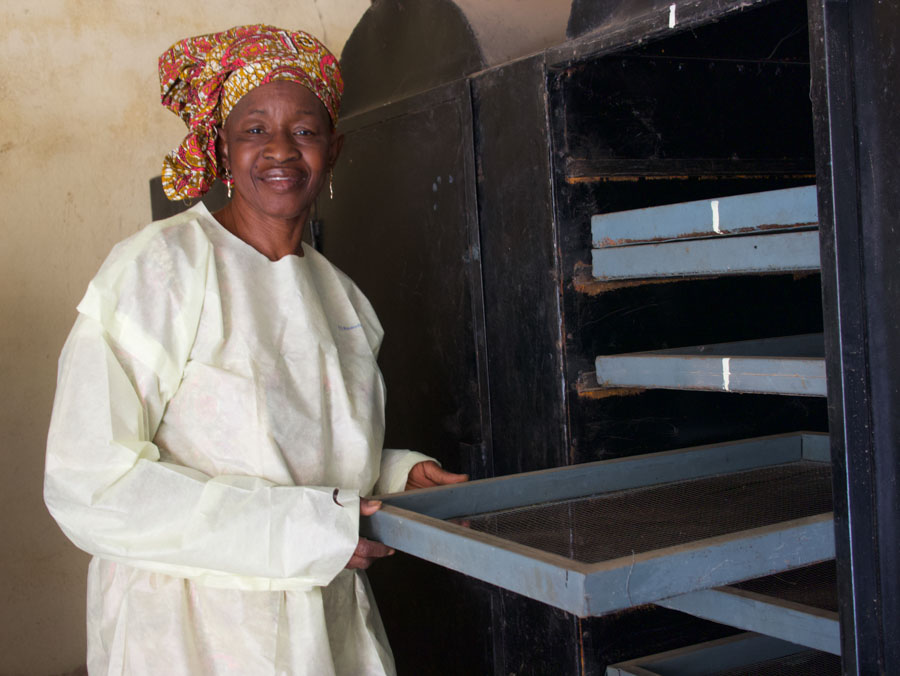
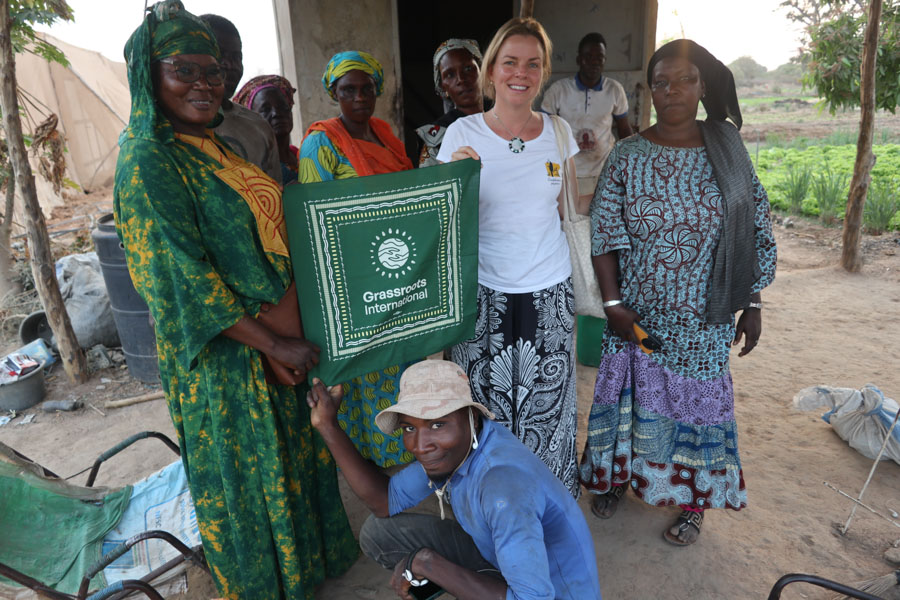
This is grassroots feminisms in action. These feminisms get expressed in multiple ways (hence feminisms, plural) but with NSS, AJAC-Lukaal, CAFO, and more, they are not simply addressing representation or participation. They are building power.
Changing Context and Continued Solidarity
The Sahel and West Africa are changing, but the need to build movements, and solidarity with them, remains.
While many on the left in the United States have celebrated the rise of the military governments in Burkina Faso, Niger, and Mali, many movements in the region are more cautiously optimistic. Amid the shifting political terrain, increasing competition between major world powers means a growing demand for raw materials. This in turn is escalating attacks on, and increasing poverty in, rural communities of the region.
Advocating for Solutions and Building Alternatives
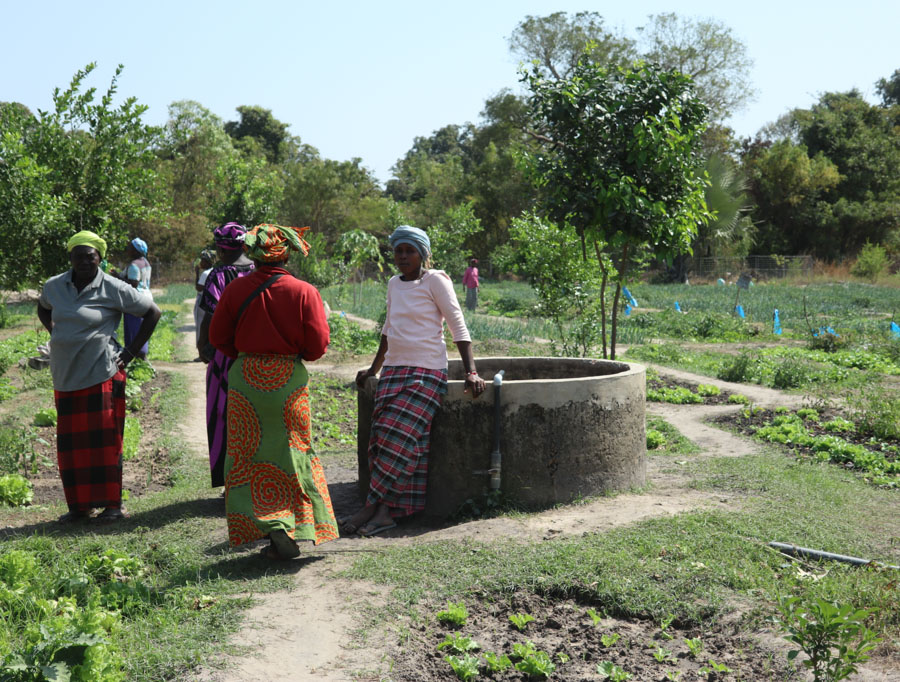
In Mali the Coordination Nationale des Organisations Paysannes du Mali (National Coordination of Peasant Organizations of Mali, CNOP) anchors and coordinates small farmer associations across the country. They face down threats to land and water resources both through pressuring state officials and by building community alternatives: collective farms, irrigation systems, soil conservation, and the like.
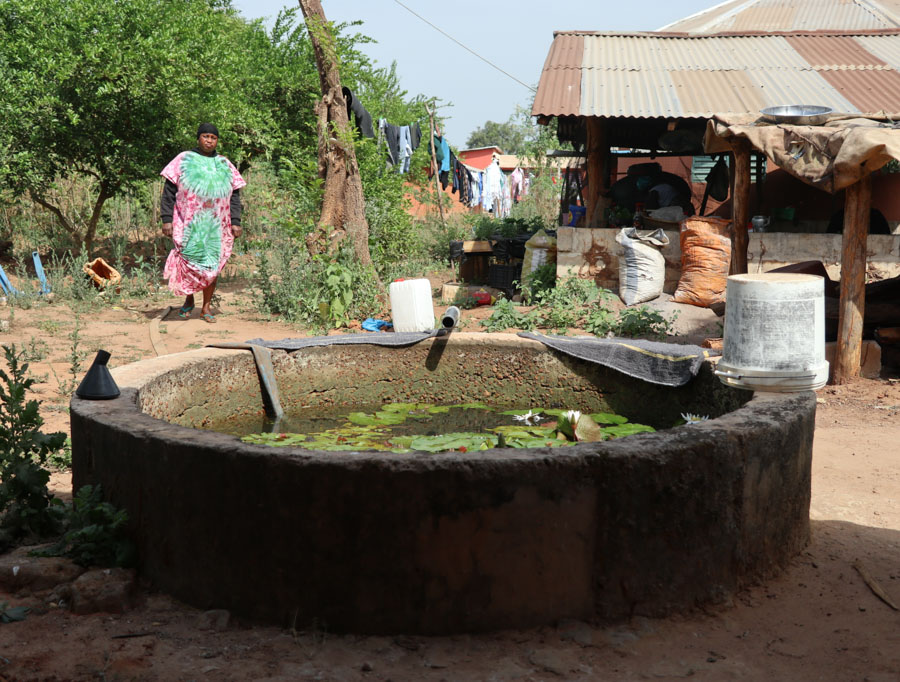
Water is a particularly important resource for small farmers here, as the climate crisis has made droughts and dry seasons more frequent and long-lasting. “Water is key. Without it, we are not able to do anything,” one woman farmer in Mali told us. “We need to be able to conserve water for when the rain doesn’t come.”
CNOP has made it a point to educate its members on the link between climate change and land grabs, and different climate justice frameworks so the movement can better advocate for real solutions.
Defending Land Defenders
The Convergence Globale des Luttes pour la Terre et l’Eau – Afrique de l’Ouest (The Global Convergence of Land and Water Struggles – West Africa, or the Convergence) has responded to increasing attacks by strengthening their legal defense. With our support, they built a program to train community-based paralegals as a first line of defense when rural people’s rights are violated.
Long-term Solidarity
No amount of emails, instant messages, or video calls can replace the face-to-face relationship building from an in-person visit. And even as we deepened our knowledge and accompaniment of our partners, we also received feedback from them.
Consistently from visit to visit, these movements emphasized how much they value our partnership. They told us while our financial support is important, our relationship is much deeper than that. Our partnership is based on real political solidarity and grounded in long-term, trust-based, reciprocal, partnerships – encapsulated in a mutual commitment to solidarity philanthropy.
Even as the region and the world changes, even as we have so much to learn from our movement partners, our solidarity and accompaniment will stay the course. We’re with them until all of West Africa is free.


